 Dorry Archiles
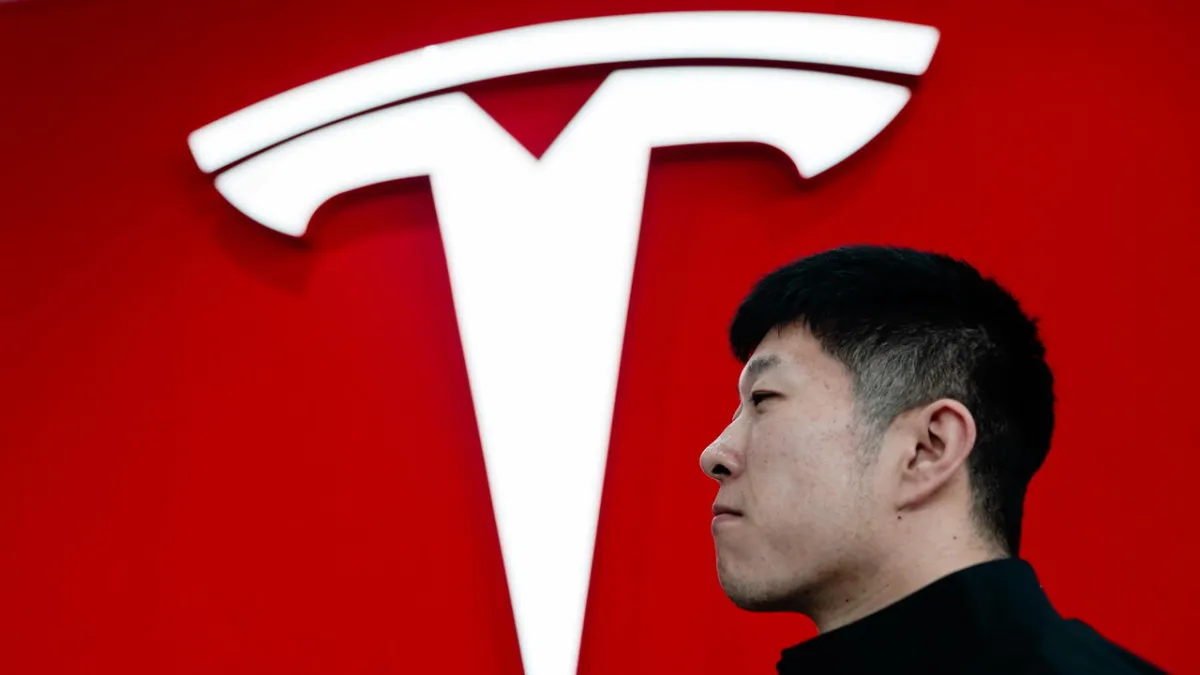
JAKARTA — An exclusive report by the Wall Street Journal (WSJ) today shook global markets, indicating that Tesla is considering a substantial sale of its business assets in China. This strategic move, reportedly designed by Elon Musk, aims to facilitate a potential giant merger with his aerospace entity, SpaceX, amidst escalating geopolitical tensions.
Internal sources close to Tesla's management revealed that discussions regarding this divestment have been ongoing confidentially for several months. The primary focus is on manufacturing and sales operations in the Chinese market, one of the largest and most crucial markets for the electric vehicle manufacturer.
This crucial decision is inseparable from the increasingly complex geopolitical situation between the United States and China. By separating its business units in China, Tesla seeks to mitigate operational and political risks that may arise from the friction between the two superpowers. Musk himself, as reported by the WSJ, structured these assets from the outset to be easily separable from main operations in the US.
Musk's long-term strategies have always been known for their ambition and occasional controversy. The notion of a merger between Tesla, a leader in the electric vehicle market, and SpaceX, a pioneer in private space exploration, has long been a subject of speculation among investors and technology analysts. The sale of Chinese assets could be a significant catalyst for realizing this vision of uniting two innovative powerhouses.
Such a merger has the potential to create an unprecedented technology conglomerate, with synergies between Tesla's battery technology, artificial intelligence, and manufacturing capabilities and SpaceX's expertise in rocket engineering, Starlink satellite internet, and Mars projects. This integration could unlock limitless innovation opportunities.
The implications of Tesla's asset sale in China would be massive. Gigafactory Shanghai, one of Tesla's most efficient and productive manufacturing facilities globally, would be central to this divestment process. This decision would affect thousands of employees, local supply chains, and the competitive landscape of China's electric vehicle market.
Market reactions to this news are expected to be mixed. Some investors may welcome the geopolitical de-risking efforts and potential merger synergies, while others might worry about the loss of crucial market share in China and its impact on Tesla's short-term valuation. Analysts emphasize the importance of transparency in this process.
Indeed, the challenges in executing such a significant asset sale in China are considerable. Strict Chinese government regulations, data ownership issues, and finding the right buyer with adequate financial and strategic capabilities will be major hurdles. This process is expected to take time and intense negotiations.
The domino effect of this sale on the global automotive industry also warrants close attention. Other electric vehicle manufacturers might reconsider their expansion strategies in markets vulnerable to geopolitical tensions. This could trigger a major restructuring in global supply chains and production locations.
As of this report, there has been no official statement from Tesla or SpaceX regarding the WSJ report. The absence of an official response often fuels further market speculation, underscoring the sensitivity of this issue for the future of both companies under Elon Musk's leadership.
This discourse also raises questions about the future business model of technology conglomerates. Will geographical separation become a standard strategy to address geopolitical polarization? Tesla's decision could set an important precedent for other multinational corporations.
Industry observers and geostrategists will monitor these developments closely. Tesla's move to consider selling its Chinese assets is not merely a business transaction but a strategic maneuver with broad implications for technology, economy, and global power dynamics in 2026 and beyond.