 Angela Stefani
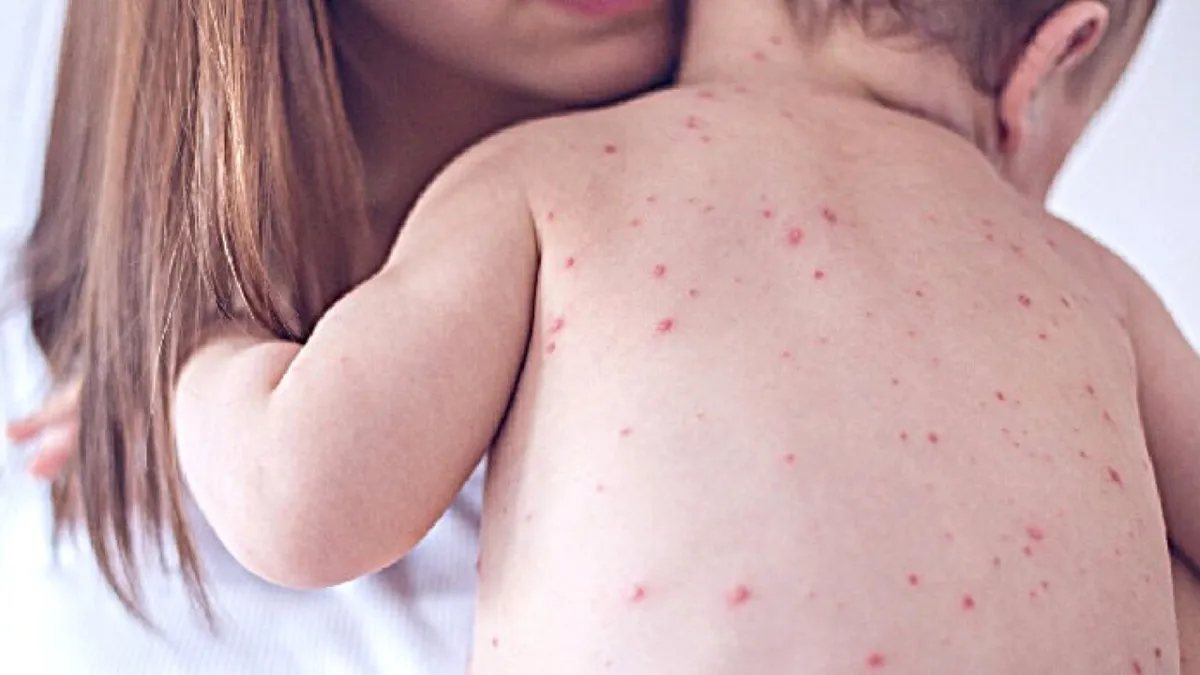
NEW YORK – A wave of grief has swept across New York State following the reported death of an infant due to measles, marking the first fatality from this deadly disease in three decades. This tragic incident, which occurred recently in 2026, immediately reignited a fierce debate over vaccination policies and public health across the United States, highlighting significant challenges in achieving herd immunity.
The death of the unidentified infant has shaken the foundations of public health, which for decades has strived to eradicate measles. A disease once declared virtually eliminated in the US is now showing its teeth again, exacerbated by rising anti-vaccine sentiment and vaccine hesitancy among certain segments of the population.
State and federal governments, including President Donald Trump's administration, now face significant public pressure. Sharp focus is being directed at the effectiveness of vaccination programs and public education, especially amidst the proliferation of misinformation on digital platforms.
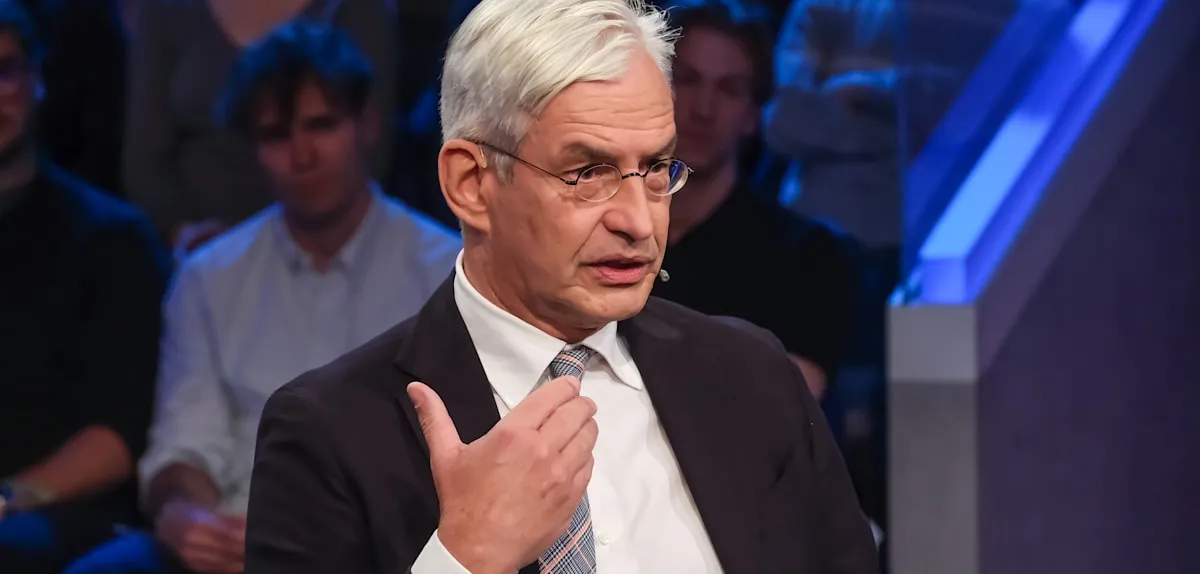
Dr. Eleanor Vance, Head of the New York Centers for Disease Control and Prevention (CDC), expressed her deep concern in a press conference. This event is a bitter reminder that measles is not a disease of the past. Vaccines are our strongest shield. The loss of a child's life to a preventable disease is an unacceptable tragedy, she affirmed.
Vance added that a thorough investigation is underway to understand the transmission chain and the factors that led to the infant contracting measles. Initial data indicates pockets of communities with low vaccination rates, creating vulnerabilities for the virus to spread.
This phenomenon is not new. Since the early 2020s, several US states have reported an increase in measles cases, often centered in communities that reject vaccination based on personal or religious beliefs. This death, according to experts, is the gravest consequence of a collective failure to maintain optimal immunization coverage.
The debate between individual liberty and collective responsibility in the context of public health is intensifying. Pro-vaccine groups demand stronger government intervention, while vaccine opponents insist on parental rights to make medical choices for their children.
President Trump, who previously sent mixed signals regarding vaccination issues, is expected to issue an official statement. This case has the potential to become a sensitive political issue ahead of his mid-term, given the polarized public sentiment. (For reference on US political situations, see the article Inflation and Fuel Prices Choke, US Middle Class Fumes Ahead of Midterm Elections which illustrates public outrage over various issues).
Epidemiologists warn that without proactive measures and increased vaccination coverage, similar cases could recur. They emphasize the importance of science-based education and combating disinformation as key to protecting communities from unnecessary outbreaks.
This infant's death in New York serves as an alarm for the entire United States. Government, medical practitioners, and the public must unite to restore faith in science and ensure that every child receives proper protection from preventable diseases.
Editorial Insight: This tragedy reveals the fragility of public health systems amidst social polarization and the relentless flow of disinformation. The US government, under President Donald Trump, faces a dilemma between respecting individual freedoms and upholding public health policies for the collective good. The handling of this issue will be a crucial test for the nation's leadership in navigating the complex interplay between science, ethics, and politics.