 Stefani Rindus
WASHINGTON – The United States 2026 Midterm Election campaign is now entering its final weekend before polling day, with political competition intensifying, particularly in strategic states like Alaska and California. So far, over 51 million Americans have already cast their ballots either in person or by mail, a figure surpassing early participation in the 2022 Midterm Elections. This condition reflects high enthusiasm and increasingly sharp political polarization within American society, which will determine the composition of Congress and the direction of President Donald Trump's administration policies for the next two years.
This significant increase in early voter numbers serves as a crucial indicator in the current electoral dynamics. Data reveals that early participation in the 2026 Midterm Elections has risen dramatically from approximately 46 million voters recorded in the 2022 edition. This phenomenon suggests that issues championed by both the Republican and Democratic Parties have successfully captured broad public attention, encouraging citizens to more actively voice their choices.
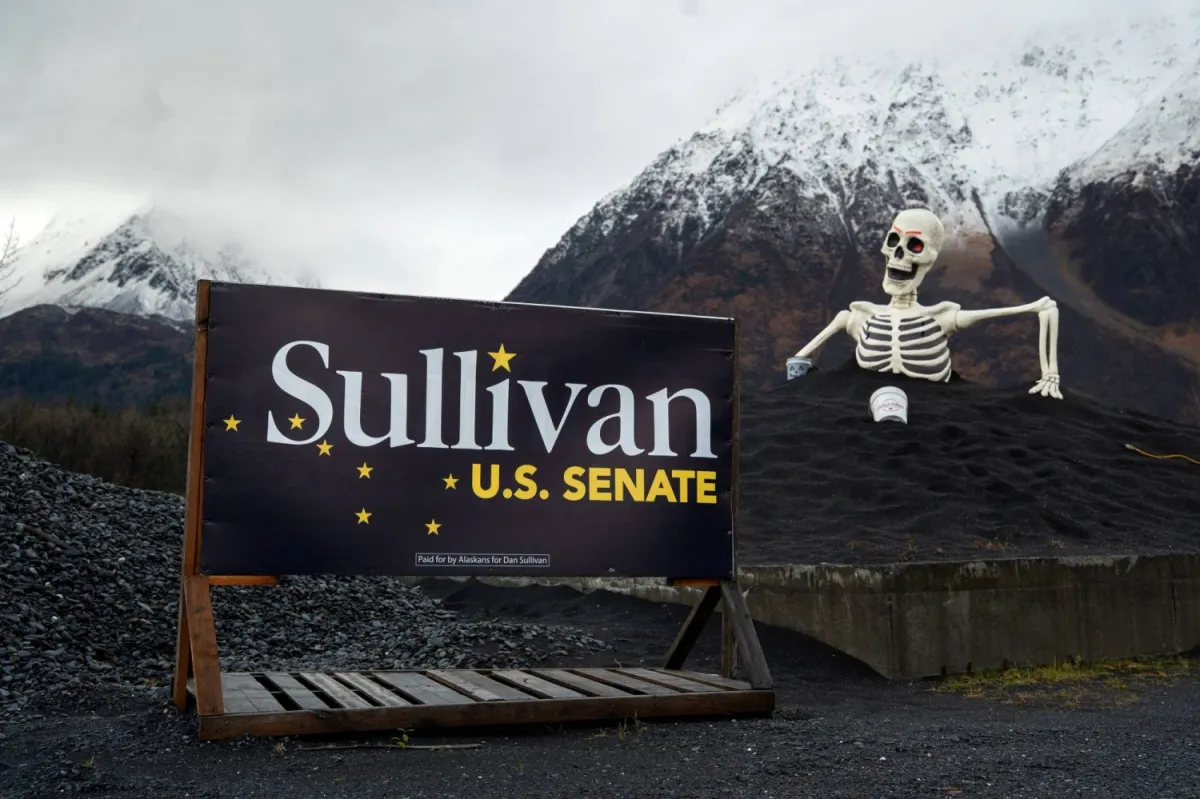
In Alaska, the battle for seats in both the Senate and the federal House of Representatives is extremely tight. Candidates from both major parties have launched massive campaigns, focusing promises on local economic issues, natural resource management, and indigenous sovereignty. Incumbent candidates face tough challenges from energetic challengers, making the final outcome difficult to predict.
Meanwhile, California, as the state with the largest population and electoral delegates, is no less fierce. Although known as a traditional Democratic stronghold, several congressional districts in southern California have become intense battlegrounds. Issues such as immigration, environmental policy, and soaring living costs are crucial points used by candidates to win voter sympathy.
The contests in these two states are not merely local seat battles, but rather a reflection of a larger national competition. The results of the 2026 Midterm Elections will largely determine control of one or both chambers of Congress, which in turn will affect the legislative agenda and President Donald Trump's ability to pass his strategic policies.
National issues dominating the campaign include inflation, energy security, reproductive rights, and border security. Each party strives to convince voters that their proposed solutions are the most effective in addressing these challenges.
Candidates and campaign teams are deploying all their resources in the final week. Political advertisements inundate television channels and digital platforms, while rallies and parades of support are held in various cities and towns. The political energy feels highly intense, reflecting the high stakes of this election.
Political observer from Georgetown University, Professor Eleanor Vance, stated, 'This year's Midterm Elections are a referendum on the country's direction. The high early participation indicates that citizens are highly aware of its impact on their daily lives.'
Compared to previous periods, the campaign narrative this year feels more personal and directly touches voters' lives. Economic problems directly felt by households are a primary trigger for political excitement.
With only a few days remaining, the focus now shifts to final efforts to mobilize voters and ensure every vote is counted. Both the Republican and Democratic Parties are optimistic about securing victory, adding to the tension ahead of the final results announcement.
Global tensions also cast a shadow. Previously, Iran issued a strong warning to the United States and Israel, particularly concerning potential instability post-Midterm Elections. This highlights how domestic US political dynamics can significantly impact foreign policy and international relations, a crucial aspect for President Trump's administration to consider. Read more about Iran's warning at Iran Beri Peringatan Keras: AS dan Israel Jangan Main Api Pasca-Pemilu Sela.
Editorial Insight: The 2026 Midterm Elections mark a crucial moment for the political landscape of the United States. With high voter participation, the election results will not only shape the composition of Congress but also serve as a strong barometer of public support for President Donald Trump's policies. A shift in control in one or both legislative chambers has the potential to accelerate or slow down his reform agenda, impacting everything from the economy to global diplomacy.