 Debby Wijaya
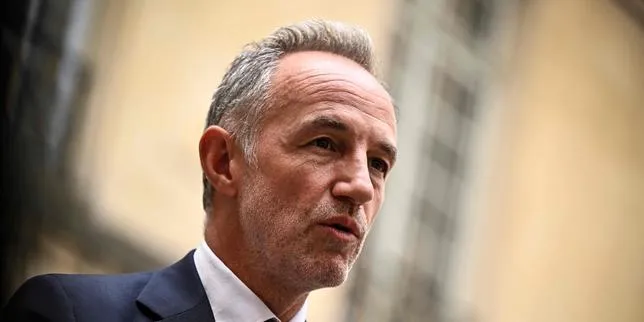
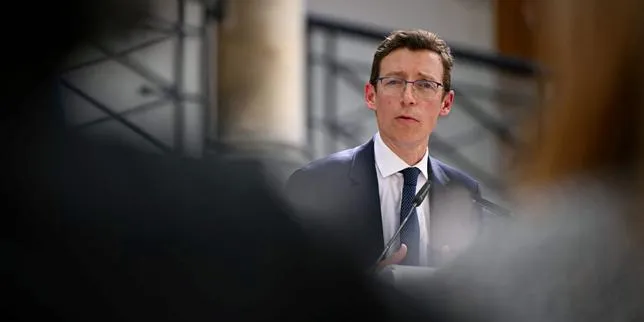
Paris – The French capital is bracing for a fundamental shift in its primary education system. A Citizens' Convention on child protection and school timings has predominantly recommended a return to a four-day school week. This crucial final decision will be made by Paris Deputy Mayor, Emmanuel Grégoire, by the end of 2026, following extensive discussions and public input, primarily triggered by a scandal involving sexual abuse in extracurricular activities.
This significant recommendation emerged as a direct response to the urgent need to re-evaluate the child education model, particularly after the exposure of various sexual abuse incidents within extracurricular programs. The Convention, established by the Mayor of Paris, aims to create a safer and more effective learning environment for students.
The formation of the Citizens' Convention was a proactive step by the Paris City Government, involving representatives of parents, teachers, education experts, and ordinary citizens. They were tasked with comprehensively evaluating the current school time structure and proposing alternatives centered on child well-being.
The proposal for a return to a four-day school week is not a novel idea. Several French cities have already implemented similar models, with the main arguments being improved child rest quality and family time. However, in Paris, this discourse is amplified by the urgency of child safety and protection.
Emmanuel Grégoire, as a key figure in the city administration, bears significant responsibility for carefully considering this recommendation. His statement that the final decision will be made by the end of 2026 indicates the complexity of the issue, involving logistics, budget, and its impact on thousands of families and teaching staff.
Changes in school schedules can have broad implications. On one hand, proponents hope children will have more time for rest and structured non-academic activities, which could ultimately enhance their mental and physical well-being. On the other hand, critics might highlight challenges for working parents in arranging childcare on the additional day off.
The sexual abuse scandal that rocked the extracurricular sector indeed served as a major catalyst. This Convention aims not only to change schedules but also to formulate stricter oversight mechanisms and a supportive environment to prevent similar incidents from recurring in the future. The focus is on ensuring every child feels safe and protected in the school environment.
This discourse is also inseparable from the national debate on educational reforms in France. Central and local governments frequently collaborate to find the best formula that can balance academic achievements with the holistic development of children. Paris, as a global metropolitan city, often pioneers progressive policies. Previously, the city also drew attention for various social dynamics, such as when fan unrest subsided after a major match.
Parisian society now awaits with both hope and some apprehension. Parents, in particular, will be greatly affected by this decision, which could drastically alter daily family routines. Various online discussion forums and community meetings have shown both enthusiasm and concern regarding these potential changes.
Emmanuel Grégoire's decision by the end of 2026 will mark a significant milestone for the education system in Paris. It is not merely a schedule change but a reflection of the city's commitment to the protection and future of its children, as well as an effort to create a more responsive and humane educational model. Paris once again proves itself a city daring to experiment for the welfare of its citizens.