 Robert Andrison
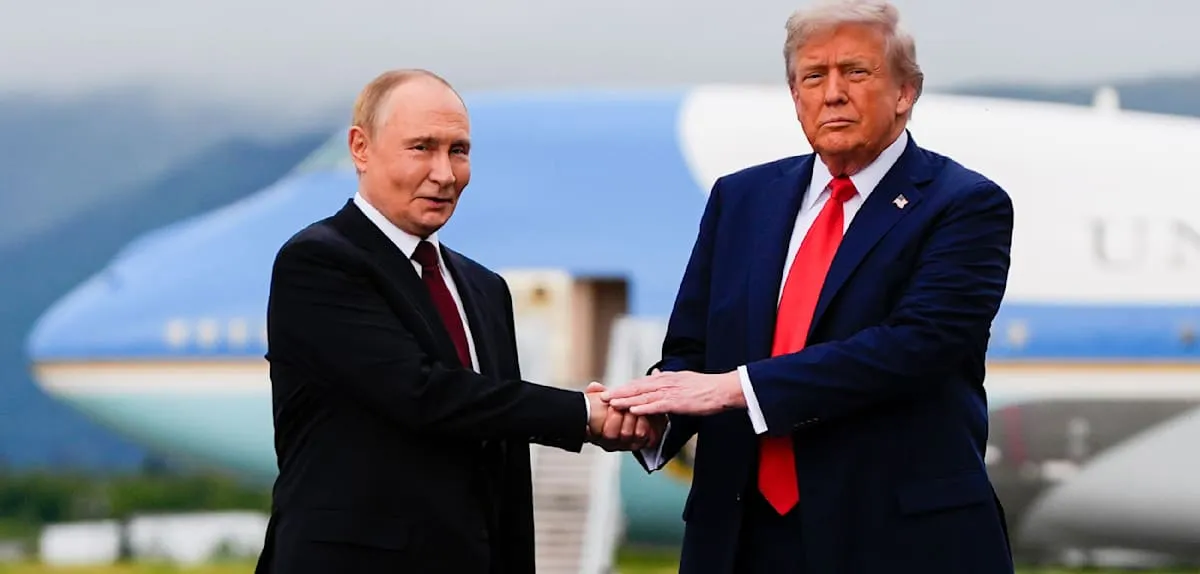
WASHINGTON – The United States Congress in 2026 has officially passed a comprehensive sanctions package against Russia, a decision with significant implications, particularly on a personal level for President Vladimir Putin. The enactment of this legislation now explicitly prohibits Putin from setting foot on American soil and, consequently, from meeting directly with President Donald Trump in Washington or anywhere within US territory.
This crucial legislative step culminates a long period of advocacy, initiated by the late Senator Lindsey Graham, a Republican politician from South Carolina. Graham had championed support for the anti-Russia sanctions package for over a year, stressing the need for a firm response to Moscow. He passed away in July 2025, but his legacy continued until the bill was successfully enacted by Congress.
This Congressional confirmation is more than just a symbolic act. The legislation establishes a series of restrictions designed to isolate the Russian leadership personally and economically. While the full details of the sanctions include asset freezes, visa bans, and restricted access to the global financial system for specific individuals and entities, the primary public focus is on its impact on Putin himself.
For Vladimir Putin, the prohibition from entering the United States not only limits his freedom of travel but also closes one of the most critical diplomatic channels on the global stage. Face-to-face meetings between heads of state, especially between two nuclear powers like the US and Russia, are often essential for de-escalating tensions and finding diplomatic solutions to international crises.
Relations between Washington and Moscow have long been strained, marked by fundamental differences in foreign policy and accusations of Russian interference in elections and the internal affairs of Western nations. The passage of these sanctions reaffirms Congress's stance of not tolerating anything perceived as Russian aggression, both domestically and abroad.
President Donald Trump, now serving his second term in the White House, had previously expressed a desire to improve relations with Russia. However, this Congressional decision curtails his ability to engage in personal diplomacy with Putin, as was sometimes the case during his first term. Bipartisan pressure on Capitol Hill has effectively shaped a tougher foreign policy framework towards the Kremlin.
This decision also comes amidst increasing global attention to Russian intelligence activities in Europe and America, an issue frequently raised by agencies like the FBI. News related to FBI Uncovers Russian Assassination Schemes in Europe and America and Washington Condemns Russian Intelligence: Masterminds of Western Killings Revealed reinforces the view that a strong stance against Moscow is necessary.
Moving forward, any presidential-level interactions between the United States and Russia will likely be confined to neutral international forums or indirect communication channels. The era of casual summits on American soil, or official invitations to Washington for Putin, appears to have definitively concluded.
The impact of these sanctions extends beyond just US-Russia bilateral relations. Allied nations of the United States in Europe and around the world may feel compelled to align their policies or even tighten their own sanctions against Moscow, potentially further isolating Russia on the global stage.
In addition to President Putin, several high-ranking Russian officials and oligarchs deemed close to the Kremlin are also likely to face similar restrictions. This will further narrow Moscow's diplomatic and economic maneuvering room, forcing them to adapt to an increasingly challenging geopolitical reality.
Editorial Insight: The enactment of these sanctions marks the culmination of a long period of tension and demonstrates that, regardless of a president's rhetoric or personal preferences, the US Congress holds substantial power to shape foreign policy. This decision reflects a deeply ingrained bipartisan commitment to confronting what is perceived as a threat from Russia. Its impact on Vladimir Putin personally and on global geopolitical dynamics cannot be underestimated, opening a new chapter in US-Russia relations that may be more confrontational and less personal.