 Chris Robert
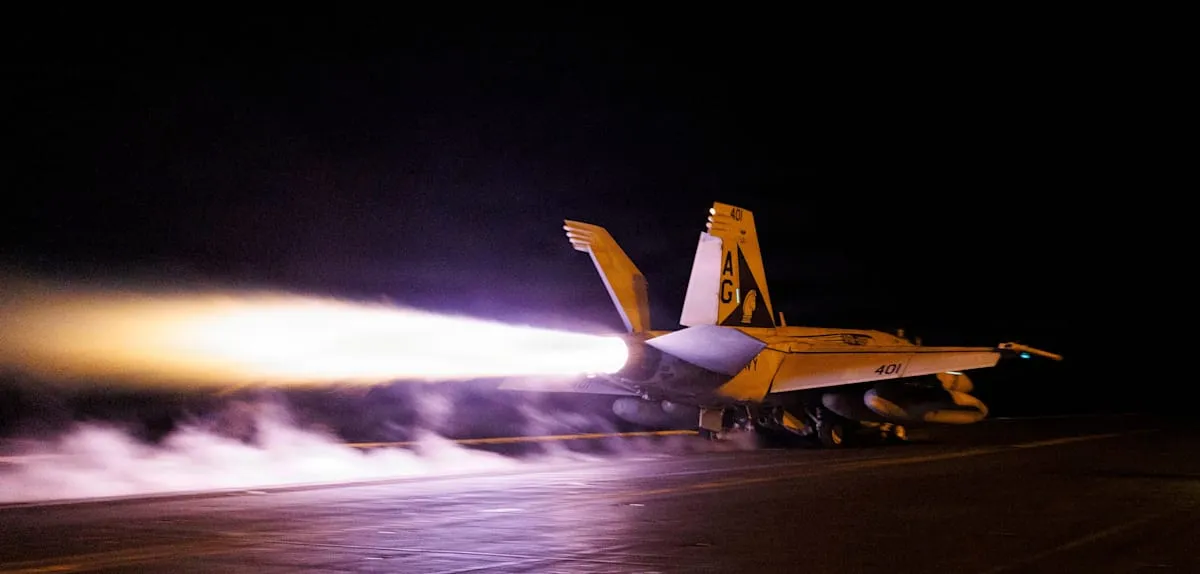
WASHINGTON — The United States launched what it termed a “powerful response” against Iran in early 2026, following stern threats from President Donald Trump. Recent reports from Iran’s Revolutionary Guard-affiliated media, Fars, claim that several attacks have struck Qeshm Island in the Strait of Hormuz and Bushehr Province, raising global concerns about a conflict escalation in the Middle East.
Prior to this series of attacks, President Trump publicly declared that he would undertake “harsh retaliatory strikes” and “teach Iran a lesson,” underscoring Washington’s determination to respond to what it deemed as provocations. This rhetoric further heated up an already tense situation that has persisted for years.
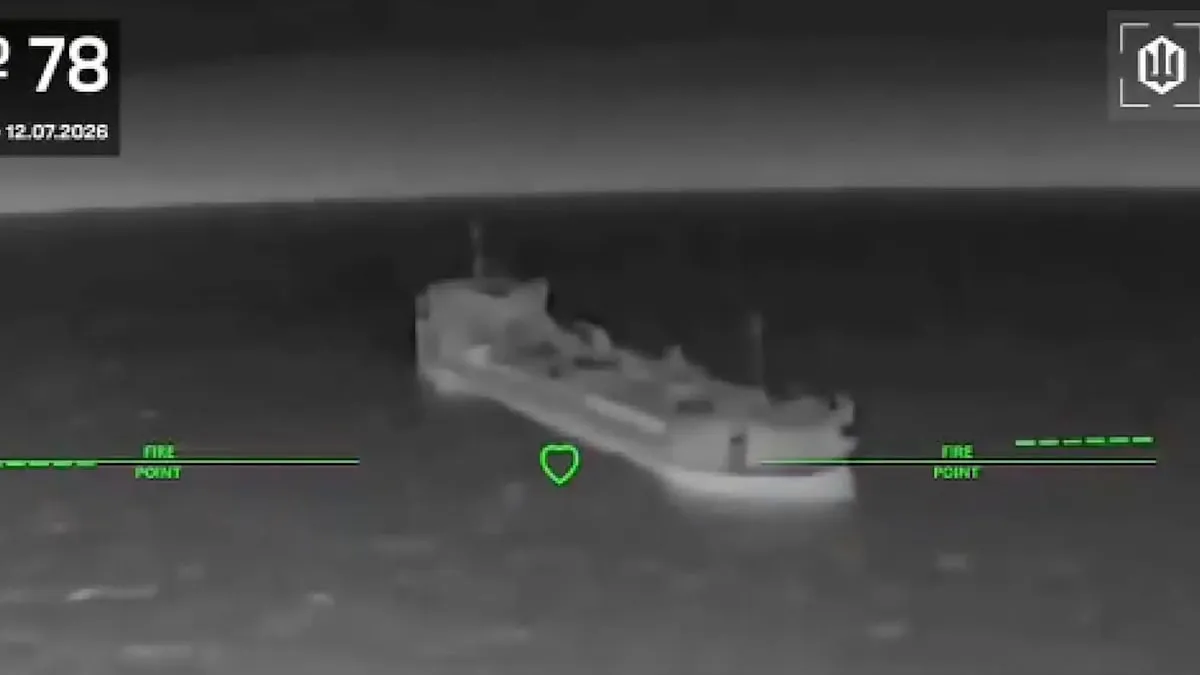
According to the Fars report, known for its close ties to the Revolutionary Guard, air and naval strikes targeted strategic facilities in two key locations. Qeshm Island, an integral part of the Strait of Hormuz’s defense, and Bushehr Province, home to critical installations, were the focus of the reported military operations.
Qeshm Island holds undeniable strategic value, situated at the mouth of the Strait of Hormuz, a vital artery for one-fifth of global oil supplies. Any military incident in this area has the potential to shake world energy markets and trigger broader regional instability. Bushehr Province itself houses Iran’s civilian nuclear reactor, adding complexity and sensitivity to the situation.
Iran, through its Revolutionary Guard, has repeatedly affirmed its readiness to defend national sovereignty against any aggression. The involvement of this elite unit in the attack reports indicates how seriously Tehran views the incident, likely preparing a diplomatic or even military response.
The history of US-Iran relations is marked by fluctuating tensions, often fueled by geopolitical differences and Iran’s nuclear program. Military threats and retaliations are not new in the complex dynamics between the two nations, but the intensity this time signals a new, more dangerous chapter.
The international community immediately responded with calls for restraint. World leaders expressed deep concern over the potential for a full-scale conflict that could shatter stability in the Middle East, an already fragile region.
Geopolitical analysis suggests that an escalation in the Strait of Hormuz would have significant global economic consequences. Oil prices would surge, supply chains would be disrupted, and investment in the region would halt, causing a ripple effect on the global economy.
Tehran, through its Foreign Ministry spokesperson, condemned the US actions as a “blatant violation of international law” and vowed to take all necessary measures to protect its people and territory. This statement indicates that Iran will not stand idly by.
Political observers predict that this incident will be a severe test for international diplomacy. Swift and effective de-escalation efforts are crucial to prevent an uncontrolled spiral of violence that could draw more actors into the conflict.
The situation in the strategic waters of the Strait of Hormuz and Iran’s coastal provinces remains a primary concern. The world awaits the next steps from both sides in this conflict, which could have wide-ranging global implications, as worries about an uncertain future continue to loom.
US Joint Chiefs of Staff Chairman, General Mark Milley, in an emergency press conference, affirmed that “all options remain on the table” for Washington to protect its national interests and allies. This statement emphasizes the US military’s readiness to deal with increasingly complex regional dynamics.