 Demian Sahputra
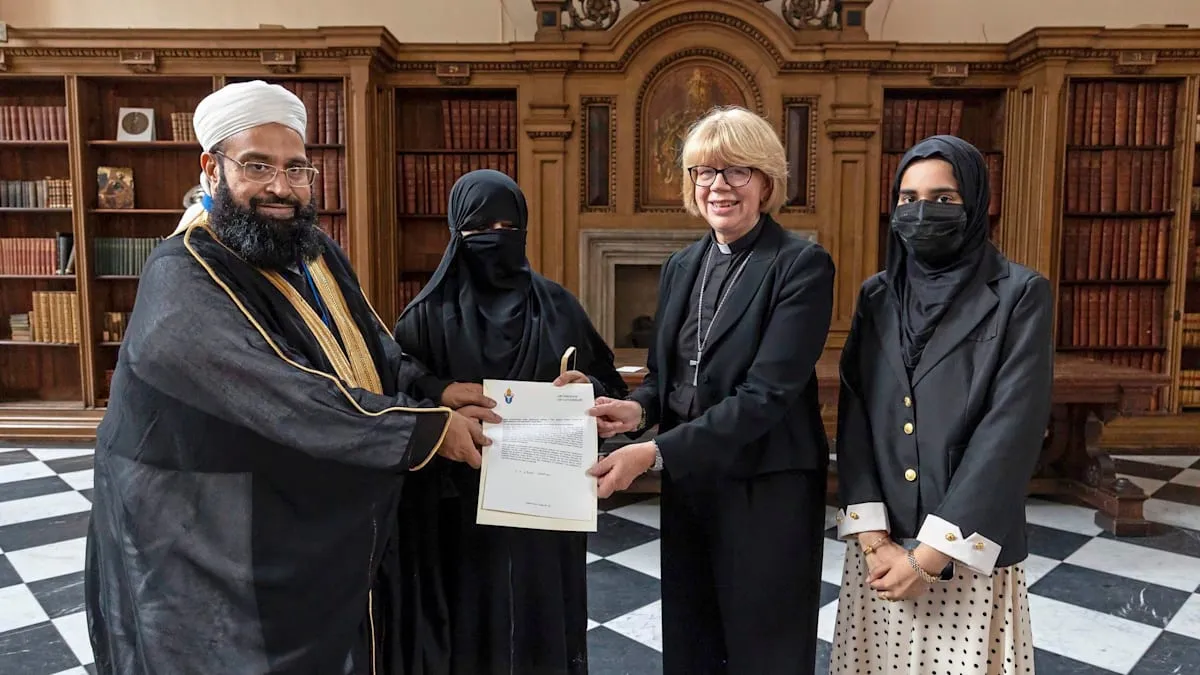
LONDON – British Archbishop Sarah Mullally ignited a wave of controversy after presenting a reconciliation and interfaith cooperation award to an imam, an accolade later revoked following revelations of the imam's views on Osama bin Laden. This decision immediately drew widespread condemnation, shaking the foundations of painstakingly built interfaith dialogue efforts.
The award itself symbolized a commitment to peace and understanding among religious communities. However, the situation escalated when it emerged that the recipient imam, whose name was not specifically mentioned in initial reports, had previously expressed opinions that viewed Osama bin Laden, the mastermind behind the 9/11 terrorist attacks, in a positive light.
Dennis Sand, a prominent editor from the German newspaper WELT, was among those who confirmed these startling details. In his report, Sand explicitly stated that the imam 'did not consider Osama bin Laden that bad,' a statement directly contradictory to the spirit of reconciliation.
Public and religious community reactions were swift and severe. Many expressed deep disappointment at the apparent lack of due diligence in the selection process for the award recipient. They argued that this incident tarnished the image of religious institutions and eroded crucial trust in interfaith dialogue initiatives.
Responding to the storm of criticism, Archbishop Sarah Mullally's office took immediate action. The award, which had already been presented, was officially revoked. This step aimed to de-escalate tensions and reaffirm a genuine commitment to true peace values.
Awards for reconciliation and interfaith cooperation are part of a broader initiative to promote social cohesion within Britain's multicultural society. Their noble purpose is to bridge differences and foster mutual understanding.
This incident highlights the complex dilemmas faced by religious leaders. On one hand, there is a push for inclusivity and dialogue, but on the other, moral and ethical boundaries must remain firm, especially concerning figures associated with violent extremism.
This case is not an isolated incident shaking religious communities in Britain. The challenge of balancing inclusivity with moral principles often sparks fierce debates. Similar events have previously triggered significant faith turmoil among the public.
Diligence in verifying the background of individuals slated for awards becomes a crucial lesson from this event. The reputation of institutions and the noble objectives of such accolades can be compromised by a single misstep.
It is hoped that this incident will serve as a catalyst to strengthen vetting procedures and transparency in awarding honors, particularly concerning sensitive religious issues and extreme political views. This is crucial for maintaining the credibility and effectiveness of future reconciliation efforts.
Editorial Insight: This incident underscores the complexities of interfaith dialogue in the modern era. While the intention to build bridges between faiths is paramount, the vetting of individuals involved cannot be overlooked. Archbishop Mullally's case serves as a poignant reminder that meticulousness is the bedrock of credibility, especially when dealing with sensitive issues involving controversial figures. Its long-term impact could lead to increased scrutiny of similar initiatives, ultimately strengthening the integrity of reconciliation efforts.