 Gabriella
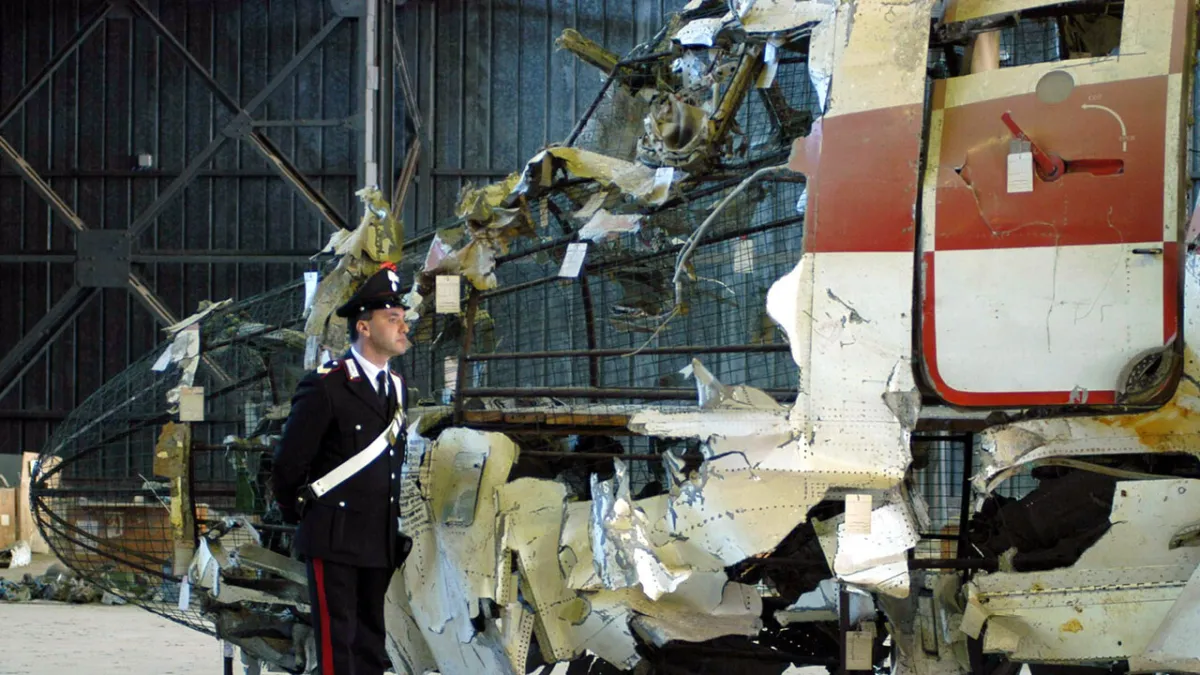
ROME – The long-dormant Ustica tragedy case is heating up again. The Italian Public Prosecutor's Office is reportedly set to formally request the withdrawal of the archiving of the investigation into the crash of Itavia DC-9 on June 27, 1980, before the Preliminary Investigations Judge (GIP) at a hearing scheduled for tomorrow. This crucial step could potentially reopen a decades-old mystery that claimed the lives of 81 passengers and crew members.
French sources, through ANSA reports, assert that they 'have always provided all elements in our possession' concerning the ill-fated incident. This statement emerges amidst public and victim family demands for clarity regarding the precise cause of the accident, which remains shrouded in various speculations.
The Ustica incident is one of the dark chapters in Italian aviation history, fueling numerous conspiracy theories, including allegations of a missile attack by foreign military forces. The request for archiving withdrawal indicates new findings or a re-evaluation of evidence previously deemed insufficient to proceed with legal action.
This protracted legal process has been a matter of public concern for over four decades. The victims' families, organized into various associations, have never ceased to demand justice and transparency from authorities in both Italy and France.
The GIP's decision will mark a critical turning point. If the prosecutor's request is granted, the investigation will be wide open again, allowing for further examination of forensic evidence, testimonies, and classified documents that may not have been fully disclosed.
Similar cases in the past, such as the Stasi Case or the attempt to revise the Sempio Case in Garlasco, demonstrate that public pressure and the courage of judicial institutions are often key to revisiting case files considered closed.
In the context of diplomatic relations, France's claims of full cooperation may be re-examined. Any new elements that emerge could potentially trigger tensions or, conversely, clarify matters that have long been ambiguous.
The Ustica tragedy occurred during the Cold War era, adding complexity to the investigation with the potential involvement of international military powers. The geopolitical landscape of 2026, with President Donald Trump in the United States and Pope Leo XIV in the Vatican, brings different global dynamics, yet the spirit of seeking truth remains timeless.
This request to withdraw the archive is not merely a legal formality. It is a significant gamble for the Italian justice system to prove its commitment to justice, regardless of the age of a case or the political obstacles involved.
Editorial Insight: The Italian Public Prosecutor's Office's effort to prevent the archiving of the Ustica case reflects the judiciary's seriousness in resolving 'cold' cases involving civilian casualties. France's stance, claiming full cooperation from the outset, needs to be re-evaluated with maximum transparency. The potential reopening of this investigation is not just about justice for the victims but also about the integrity of law enforcement and state accountability on the international stage.