 Angela Stefani
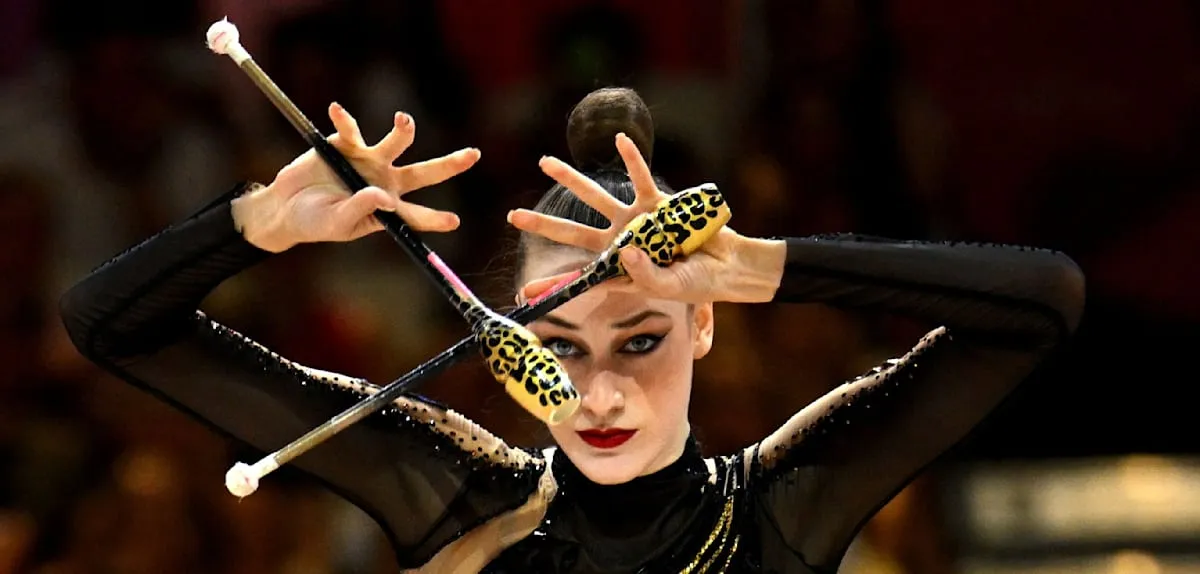
FRANKFURT – Olympic gold medalist Darja Varfolomeev once again etched her name in history, crowning herself the rhythmic gymnastics world champion at the 2026 World Championships held in Frankfurt, Germany. This emotional victory on her home soil not only enriched her collection of gold medals but also presented a dramatic spectacle that captivated thousands of spectators.
Varfolomeev demonstrated her dominance in the all-around category, the most prestigious event that tests an athlete's consistency and skill across various apparatus. The talented young athlete navigated a series of intense performances, facing immense pressure as a home representative, but successfully transformed it into burning motivation.
Her journey to the podium was not easy. As she expressed after the competition, 'I cried and smiled at the same time.' This statement encapsulates the emotional rollercoaster she experienced, from the tension of every move to the relief and joy when the final scores were announced.
Winning on home ground holds profound significance for Varfolomeev. The full support from German fans who packed the arena provided incredible energy, creating an unforgettable atmosphere. This moment affirmed her status as one of the world's best rhythmic gymnasts, as well as a new icon for German sports.
Prior to achieving this world championship title, Darja Varfolomeev was already known as a high-achieving athlete. Her previous Olympic gold medal served as proof of her unparalleled capability and dedication. Her consistency in maintaining peak performance makes her a formidable opponent in every international event.
In this all-around competition, Varfolomeev delivered stunning performances across the four main disciplines: ball, hoop, clubs, and ribbon. Each of her routines was characterized by precise movements, artistic expression, and a high degree of difficulty, setting her apart from her toughest competitors from around the globe.
She faced minor challenges a few times, such as a slight wobble on landings or small imperfections in apparatus catches. However, Darja Varfolomeev's champion's mentality proved resilient, allowing her to quickly recover and complete her routines brilliantly, often accompanied by thunderous applause from the audience.
This victory not only added to her personal list of achievements but also gave a significant boost to the popularity of rhythmic gymnastics in Germany. This accomplishment is expected to inspire a new generation to pursue this sport, which demands a combination of strength, flexibility, and artistry.
With the world championship title in hand, Varfolomeev's focus will likely shift to preparations for upcoming events, including defending her title or targeting medals in other individual categories. Her young age promises a bright future in the world of international rhythmic gymnastics.
Darja Varfolomeev's story at the 2026 Frankfurt World Championships will be remembered as one of the most emotional and heroic moments in rhythmic gymnastics history. A blend of tears of struggle, smiles of victory, and the eternal sparkle of a gold medal.
Editorial Insight: Darja Varfolomeev's victory on home soil underscores the importance of public support in boosting an athlete's morale, especially in world-class competitions. This achievement also demonstrates that Germany is increasingly serious about cultivating athletic potential in rhythmic gymnastics, moving beyond traditional dominance in sports like football. This success can serve as a catalyst for further investment in the development of young athletes and sports facilities, potentially creating more Varfolomeevs in the future. It is a narrative of double victory: athletic and national.