 Angela Stefani
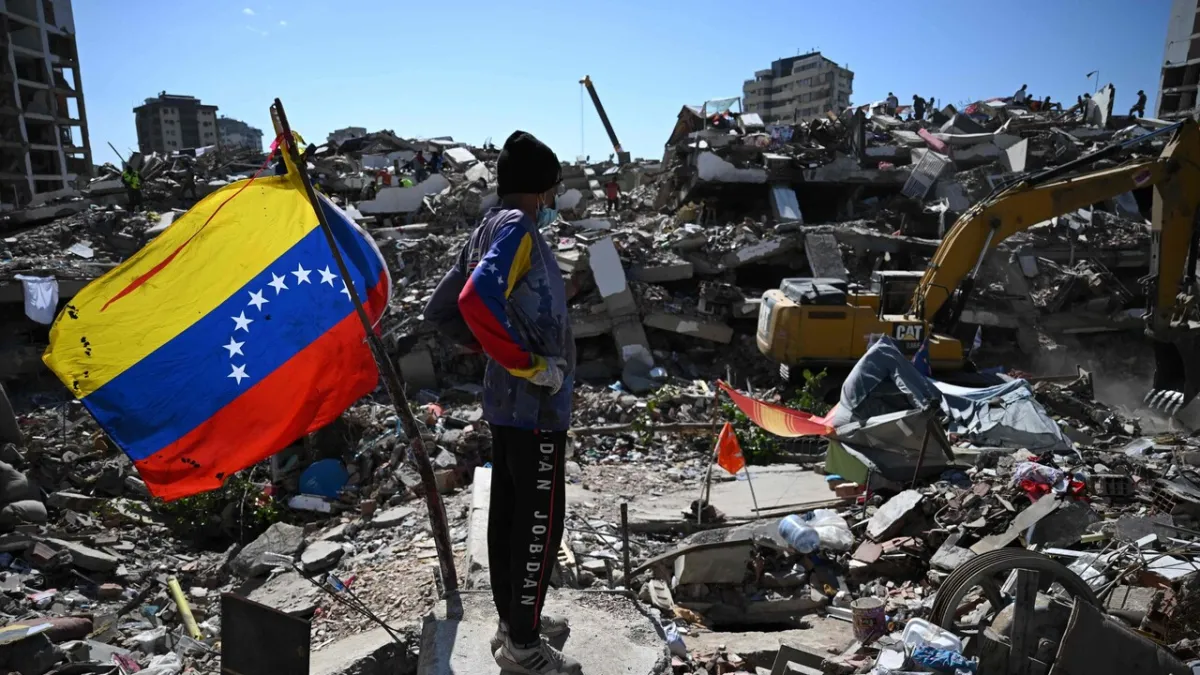
CARACAS — A devastating earthquake recently struck Venezuela, claiming at least 3,685 lives and injuring over 16,700 others, triggering a profound wave of grief across the nation. Nearly 18,000 citizens are now displaced, while more than a thousand aftershocks continue to rattle the region, adding to the uncertainty and fear.
This humanitarian tragedy places Venezuela on the brink of an even more severe crisis. Critical infrastructure has been severely damaged, leading to cut-offs in access to basic necessities such as clean water, electricity, and healthcare services. Thousands of families have lost their homes, mourning loved ones who are no longer alive or struggling to survive with physical and mental wounds.
Latest data from disaster management authorities indicate that the death toll continues to rise as intensive search and rescue efforts persist amidst the rubble. Each hour passes with dwindling hope of finding survivors, yet SAR teams work tirelessly.
The more than a thousand recorded aftershocks not only further damage already fragile structures but also inflict deep psychological trauma on the community. The sense of security has been stripped away, replaced by constant anxiety about the next tremor that could strike at any moment, day or night.
Amidst the despair, a glimmer of hope emerges from the statement of prominent politician Maria Corina Machado. "I will return to help rebuild this country," she declared, as quoted by various media outlets. This statement injects new spirit into many who yearn for leadership and concrete solutions.
Machado's commitment, known as an influential opposition figure, has been well-received by many Venezuelans. Her promise is not mere rhetoric but a symbol of determination to overcome the monumental challenges the nation now faces, pledging active participation in the long-term recovery process.
Humanitarian aid distribution efforts face serious obstacles, especially in remote areas where access is cut off due to damaged roads or collapsed bridges. Logistics are key, and coordination among the central government, non-governmental organizations, and the international community is crucial.
International humanitarian organizations have begun to deliver emergency aid, including tents, food, medicine, and medical teams. However, the scale of the disaster demands a much larger and globally coordinated response to ensure all victims receive the help they need.
The Venezuelan government, through its spokesperson, stated that the current top priorities are victim rescue, provision of temporary shelter, and restoration of basic services. They have also opened doors for international assistance, recognizing that managing a crisis of this magnitude cannot be done alone.
The future of Venezuela's reconstruction will be a severe test. The process not only requires significant financial resources but also meticulous strategic planning to rebuild more resilient infrastructure and stronger communities post-disaster. This will be a complex, multi-year undertaking.
This disaster also highlights Venezuela's vulnerability to earthquakes and the need for improved building construction standards in high-risk areas. Disaster mitigation education for the public is also a vital aspect that needs to be promoted to reduce future risks.
Amidst the debris and sorrow, the spirit of mutual cooperation among Venezuelans is visible. They help each other, share what little they have, and demonstrate extraordinary resilience in the face of adversity. Heroic stories of self-rescue and saving others serve as a reminder of humanity's strength.
The world watches Venezuela's tragedy with deep concern. Calls for global solidarity resonate, urging all parties to set aside differences and unite to help the millions of lives now living in uncertainty and in need of real hope.
Maria Corina Machado, in her statement, emphasized the importance of national unity. "We must transcend political differences and focus on what truly matters: saving lives and rebuilding Venezuela's future," she concluded, signaling readiness to play an active role in this recovery phase.