 Stefani Rindus
VENICE – The clamor of the Lido at the Venice Film Festival 2026 resonates once again, not just with the glitter of stars, but with a profound depth of universal themes. This year, the main spotlight falls on cinematic narratives exploring the intricacies of oppressive power, the haunting labyrinth of guilt, and the quest for escape from existential shackles. Filmmakers from across the globe present sharp perspectives on the human condition, sparking lively debates among critics and audiences alike.
Power, in all its manifestations—be it political, social, or personal domination—serves as a central thread connecting several prominent works. These films depict how force can diminish individual freedom, create a pressurized environment, and ultimately push characters to question their moral values.
In the main competition category, a work by Giannini in collaboration with Bechis, as well as a film from Dr. Asgari, have garnered attention for their narrative depth. Both films, according to observers, successfully strip bare the darker side of hierarchy and the ethical consequences of decisions made under authoritative pressure.
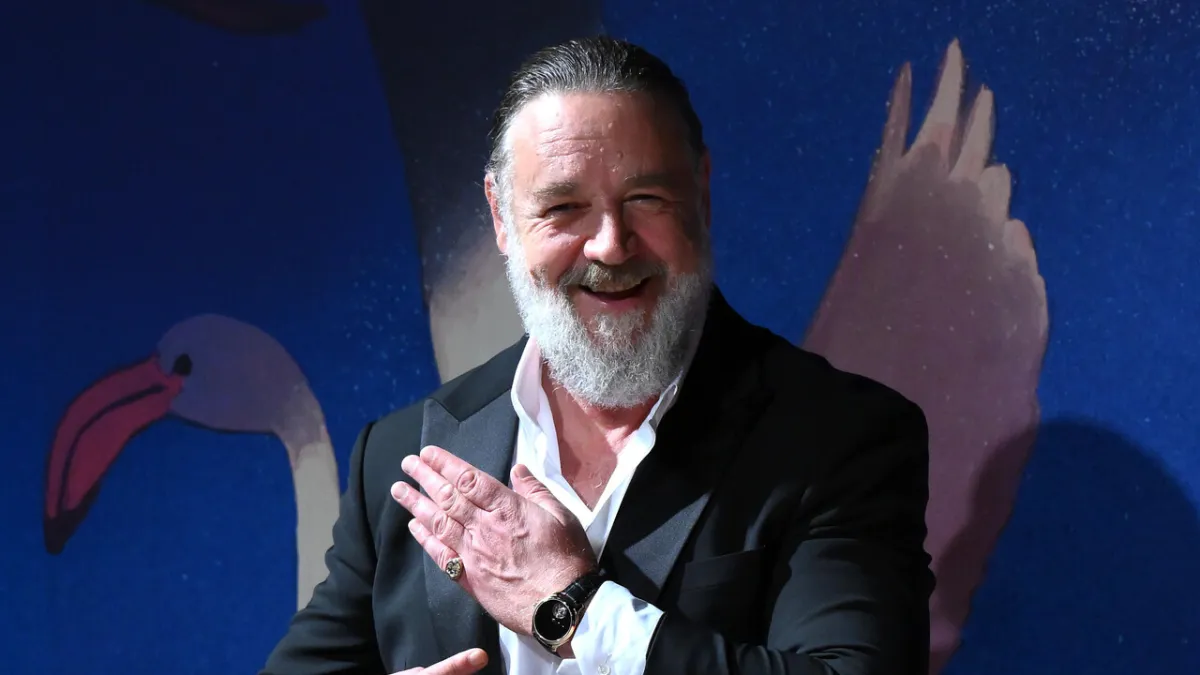
Meanwhile, in the Fuori Gara (out of competition) segment, Russell Crowe's special appearance is a significant draw. The veteran actor, with his undisputed reputation, stars in a production reportedly delivering a powerful narrative about battling the system or inescapable internal pressures.
The dimension of guilt is also richly explored. Many directors choose to delve into the internal conflicts of characters trapped by difficult choices, the consequences of their actions, or the moral burdens carried due to silence and helplessness in the face of oppression. Such narratives often invite viewers to reflect on personal accountability within larger power schemes.
Subsequently, the motif of escape emerges as a natural response to oppression and guilt. These forms of escape vary, ranging from physical attempts to break free from oppressors, to mental or spiritual escapes seeking peace amidst chaos. These stories demonstrate that amidst darkness, there is always a fundamental human desire for freedom and redemption.
The Venice Film Festival, renowned as one of the world's oldest and most prestigious cinematic events, continues to assert its relevance as a global platform for cultural and social discourse. Each year, the festival not only celebrates the art of filmmaking but also challenges its audience to reflect on contemporary issues through the lens of creativity.
Discussions surrounding provocative and daring films are not new to Venice. In previous years, films such as Venice Stirred! Palestinian Film Naza Garners Attention, Martone and Servillo in Action also sparked intense debate, proving the festival's consistency in addressing sensitive issues relevant to global realities.
The power of cinema in conveying complex messages becomes increasingly vital. The films screened at Venice are not merely entertainment; they are also catalysts for dialogue, understanding, and even social change. They offer a mirror for society to see its reflection and the challenges it faces.
Editorial Insight: The selection of themes revolving around oppressive power, guilt, and escape at the Venice Film Festival 2026 reflects a collective societal unease regarding current political and social dynamics. The presence of big names like Russell Crowe underscores the film industry's commitment not only to entertain but also to vocalize meaningful narratives. This festival is more than just an awards event; it is a crucial barometer of the direction of human collective consciousness amidst the complexities of our times.