 Angel Doris
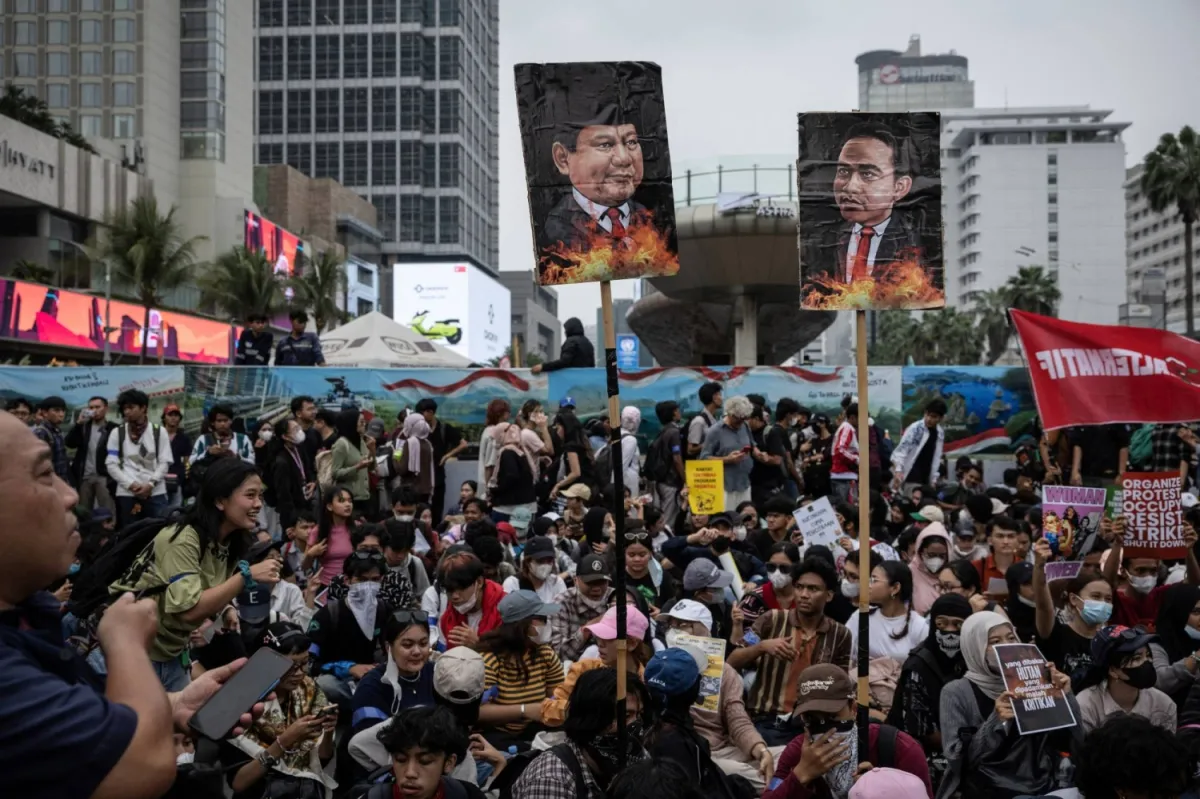
JAKARTA – The Indonesian Parliament, Dewan Perwakilan Rakyat (DPR) RI, has officially begun considering a proposed inquiry into the position of Vice President Gibran Rakabuming Raka. This move comes in 2026 amidst escalating political dynamics marked by a widening rift between Gibran's father, former President Joko Widodo, and President Prabowo Subianto, creating significant uncertainty at the nation's highest echelons of power.
The discourse surrounding this inquiry emerged after a series of political maneuvers widely perceived to have deepened the divide between the camps of former President Jokowi and President Prabowo. Several factions within the DPR RI have reportedly voiced the necessity for clarification and accountability concerning various policies and alleged political interventions that could potentially violate governmental ethics.
An internal parliamentary source, who requested anonymity, stated that the consideration to launch an inquiry is not merely speculation but a serious response to public and political unease regarding the direction of the government. 'This situation demands clarity. The DPR has a constitutional mandate to oversee the government's operations, including matters concerning the highest executive office,' the source remarked.
Vice President Gibran Rakabuming Raka, constitutionally the second figure in the governmental hierarchy, is now under intense scrutiny. His political fate is said to depend on the outcome of this inquiry, which could lead to severe consequences, ranging from reprimands to a potential impeachment, although the latter requires a highly complex legal and political process.
Constitutional law expert from the University of Indonesia, Professor Dr. Budi Santoso, explained that parliamentary inquiry processes are strictly regulated by law. 'Any proposed inquiry must be based on strong initial evidence and possess clear legal grounds. This is not just a political struggle, but an effort to uphold the integrity of state institutions,' Professor Budi clarified.
This condition further complicates the national political landscape, which had only recently stabilized after the general election. The relationship between former President Joko Widodo, who previously served as a political mentor to President Prabowo, now remains a major enigma. Indications of a split have arisen from differing stances on several strategic national issues.
This turmoil also fuels speculation about its impact on President Prabowo Subianto's cabinet stability. Potential shifts in political support from parliamentary factions could occur, depending on the developments of the inquiry and the responses from various stakeholders.
For the public, this issue is both perplexing and worrying. Political uncertainty at the highest level is feared to disrupt national development agendas and investor confidence. Transparency and law enforcement are key public demands to prevent the situation from becoming more chaotic.
The inquiry being considered by the DPR would involve a series of hearings, data collection, and witness summons, should the proposal be agreed upon in a plenary session. This phase will undoubtedly consume political energy and potentially unveil new facts that have long been kept under wraps.
President Prabowo Subianto himself has not yet issued an official statement regarding the proposed inquiry into the Vice President. However, his inner circle maintains that the President will always uphold the constitution and applicable legal processes. His stance is expected to serve as a mediator in this crucial situation.
The long-term impact of this rift between two prominent figures on Indonesia's political future cannot be underestimated. Gibran Rakabuming Raka, as an individual caught at the crossroads of this conflict, faces the greatest challenge of his political career. The public awaits clarity and judicious handling from all involved parties.
Editorial Insight: The situation confronting Vice President Gibran Rakabuming Raka reflects the perpetually dynamic Indonesian political landscape, even at its highest echelons. A DPR inquiry, if it proceeds, will not only determine the fate of a vice president but also test the maturity of our democratic institutions in addressing conflicts of interest among elites. The integrity of this process is vital for maintaining public trust and governmental stability moving forward.