 Gabriella
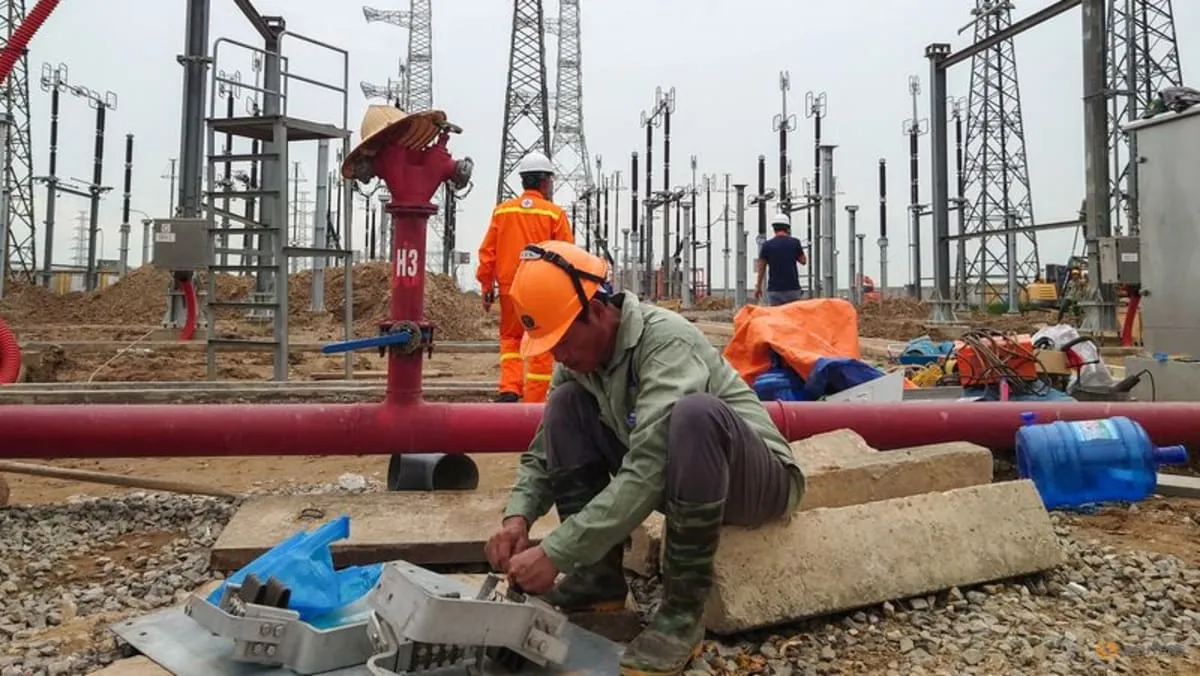
HANOI – The Government of Vietnam has officially announced a reduction in retail electricity tariffs and the abolition of gasoline tax, effective from November 1, 2026. This policy represents a strategic move to ease inflationary pressures, stimulate consumption, and foster economic growth amidst prevailing global challenges.
This drastic decision follows a series of intensive internal discussions regarding commodity price stability and public purchasing power. Policy authorities believe that direct intervention in the energy sector is crucial to maintain the momentum of post-pandemic economic recovery, which had recently slowed.
The electricity tariff reduction will apply to all consumer categories, ranging from households, small and medium-sized businesses, to large industries. Meanwhile, the abolition of gasoline tax is expected to directly alleviate transportation and logistics costs, which in turn will curb the prices of goods and services.
For millions of households in Vietnam, lower electricity costs mean more flexible budget allocation, opening opportunities to increase savings or spend funds in other sectors. This constitutes a direct stimulus that can be felt by every segment of society.
The business sector, especially manufacturing and logistics, will experience positive impacts from this policy. Lower production costs due to reduced electricity tariffs and fuel prices can increase profit margins, encourage investment, and create new job opportunities.
A senior official from Vietnam's Ministry of Finance, who wished to remain anonymous, stated, 'This measure reflects the government's commitment to protect people's purchasing power and ensure a conducive investment climate. We aim to keep inflation under control while maintaining healthy economic growth.'
Similar steps have been considered in several other countries also facing inflationary pressures. For instance, the debate over electricity tariffs has also been a crucial issue in the US midterm elections, albeit with different contexts and priorities. This highlights how energy issues are central to global economic policy.
Although largely welcomed, economists also caution about potential challenges. The government's budget deficit might widen slightly due to the loss of revenue from gasoline tax, though it is hoped to be offset by increased economic activity.
This policy is part of Vietnam's long-term vision to become one of Southeast Asia's leading economic powers, focusing on sustainability and the welfare of its people. Investments in renewable energy and improved energy efficiency are also key government priorities.
Public reaction to this announcement has been predominantly positive. Many citizens and business owners express optimism that the policy will have a tangible impact on their daily lives and business operations.
In addition to energy price cuts, the Vietnamese government is reportedly developing various other fiscal incentives for strategic sectors such as technology and tourism, to accelerate economic diversification and reduce reliance on a few commodities. In the context of tourism, potentials like the charm of Cam Ranh continue to be explored as a major attraction.
The effectiveness of this policy will become evident in the coming months, with close attention paid to inflation data and GDP growth indicators. However, this proactive step clearly signifies Hanoi's seriousness in managing its economy.
Editorial Insight:
This move by the Vietnamese government warrants close observation as an adaptive response to global economic dynamics. Energy tariff reductions, while risking pressure on state revenue, hold significant potential to drive the economic engine from both demand and supply sides. The courage to make popular decisions backed by macroeconomic analysis will be key to Vietnam's success in navigating global economic turbulence in 2026 and beyond. This could also serve as a lesson for other countries seeking a balance between price stability and economic growth.