 Dorry Archiles
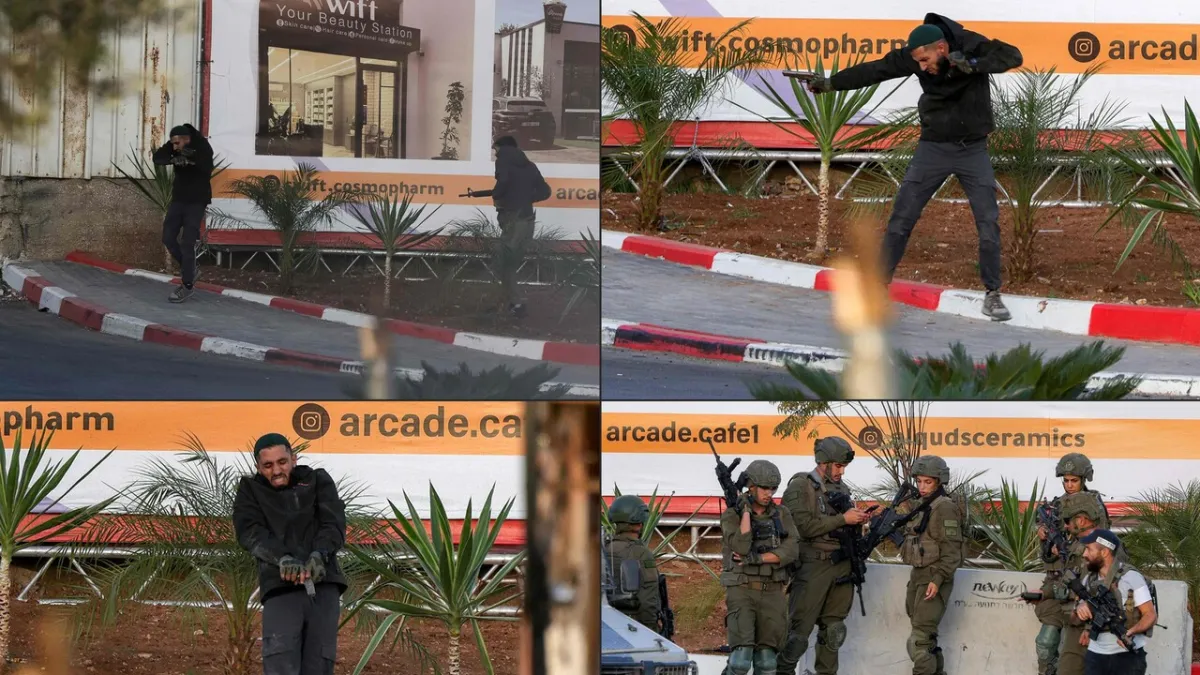
JERUSALEM – Tensions in the West Bank escalated sharply on Monday morning following an armed attack on an Israeli military checkpoint that left five people wounded, accompanied by reports of two Palestinians killed. Prime Minister Benjamin Netanyahu immediately announced a policy of 'total closure' over the entire West Bank and launched a large-scale anti-terror operation in a firm response.
This crucial incident occurred at a strategic point that is frequently a main crossing route. Initial details from the Israeli military indicate that the attackers, identified as Palestinians, opened fire on the guard post, triggering an intense shootout with security personnel.
Five individuals wounded in the attack are Israeli security personnel, although their specific conditions have not been publicly detailed. Meanwhile, two Palestinians were reported killed at the scene, allegedly as perpetrators or directly involved in the incident, according to initial statements from the Israel Defense Forces (IDF).
Prime Minister Netanyahu, in an official statement issued hours after the event, emphasized Israel's commitment to protecting its citizens. We will not tolerate any form of terrorism that threatens the stability and lives of our people, Netanyahu stated, reaffirming the government's resolute stance.
The decision to totally close the West Bank, according to the prime minister, is a preventive measure to avert further escalation of violence and to hunt down those responsible for the attack. This policy was immediately implemented, leading to widespread consequences for population mobility.
This total closure of the West Bank is expected to have significant impacts on residents' movement, the local economy, and access to basic services. These access restrictions apply to both Palestinians and Israelis, except for highly urgent humanitarian cases that have received special approval.
The large-scale anti-terror operation launched after the attack involves the deployment of additional troops, increased patrols along the border, and potential raids in several areas suspected of harboring terrorist activities. The objective is to identify and apprehend individuals or groups behind the attack.
This event adds to a long list of violence occurring in the region, highlighting a continuous cycle of conflict. Similar incidents, such as those reported in the news Bloody Incident in Hebron Triggers Israeli Response, West Bank Locked Down?, demonstrate a recurring pattern of tension in the West Bank.
The international community is expected to issue calls for restraint from both sides, urging de-escalation. Many of Israel's allies will likely express solidarity, while human rights organizations may voice concerns over the impact of the West Bank closure on innocent civilians.
Among Palestinians, this incident sparked a wave of anger and disappointment, with many viewing the West Bank closure as a disproportionate form of collective punishment. Meanwhile, Israeli citizens generally expressed support for the government's decisive actions to ensure national security.
The situation in the West Bank remains highly volatile. Political analysts predict that these tightened security measures, although aimed at curbing violence, have the potential to trigger further discontent among Palestinians, creating an escalating cycle that is difficult to break without long-term political solutions.
Editorial Insight: The attack on the Israeli checkpoint and Netanyahu's firm response underscore the fragile stability in the West Bank. A total closure of the territory, while deemed necessary by Israel for security, risks exacerbating economic and social suffering for Palestinians, which could ultimately fuel a deeper cycle of violence. Long-term solutions require a more comprehensive approach than purely military responses.