 Robert Andrison
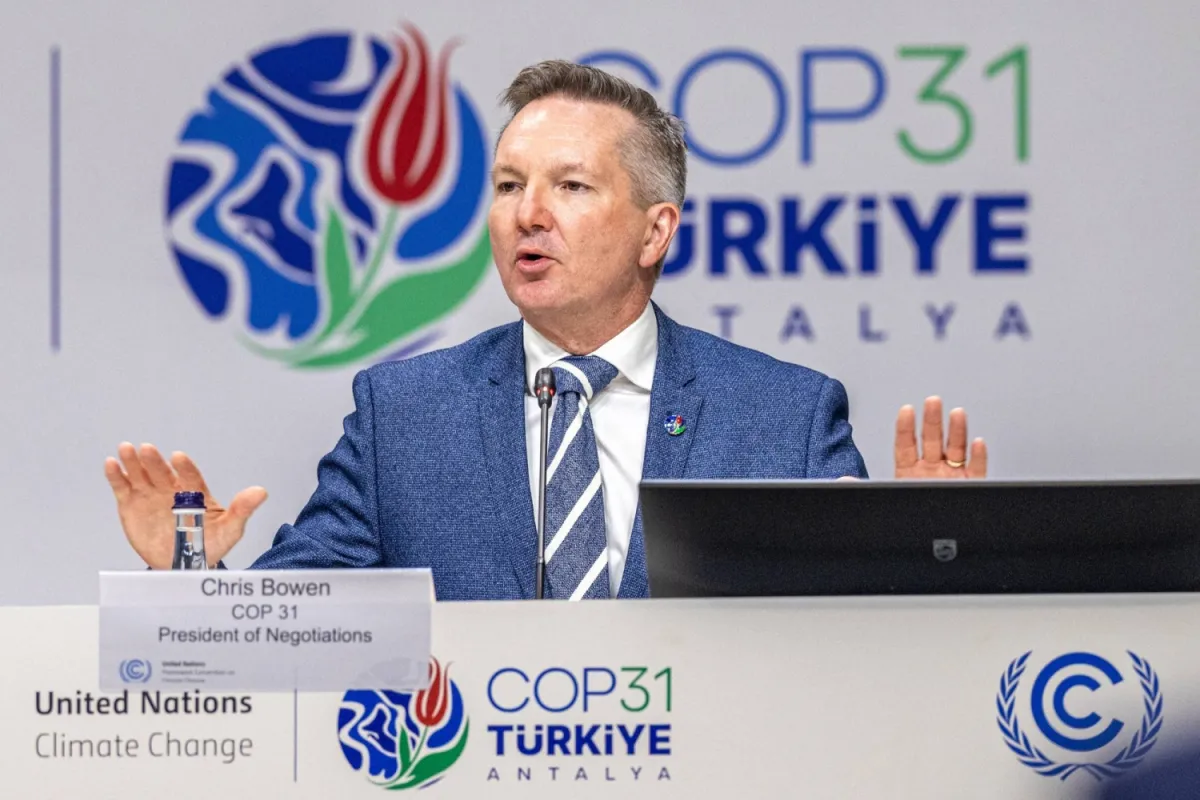
GENEVA – The international communitys massive efforts to accelerate the global energy transition towards comprehensive electrification are reportedly facing serious obstacles at the 2026 global Climate Summit. This initiative, aimed at drastically reducing carbon emissions through the shift of transport, buildings, and industry to energy-efficient electric devices, is at risk of stagnation, raising significant questions about developed nations commitment to agreed-upon climate targets.
The Climate Summit, a central forum for global environmental policy discussions, had previously set ambitious goals to boost the adoption of electrification technologies. It was hoped that this step would be the backbone of efforts to curb global warming and achieve carbon neutrality in the coming decades. However, various complex factors are now overshadowing the realization of this vision.
One of the main obstacles is the lack of a solid consensus among participating countries regarding funding schemes and technology distribution. Developing countries are demanding greater financial support and technology transfer from developed nations, while major industrial countries face domestic economic pressures and shifting policy priorities.
Furthermore, geopolitical tensions also influence the dynamics of negotiations. Energy protectionism policies and strategic competition among global powers complicate the coordination of collective efforts essential for this large-scale transition. This is evident in various international forums, including potential issues that may arise in the APEC Summit 2026, bringing together Washington, Beijing, and Moscow.
Electrification initiatives do not merely mean replacing fossil fuels with electricity, but also involve a profound transformation of energy infrastructure, public transportation systems, and urban building designs. The projected investment required amounts to trillions of dollars, a challenging figure amidst global economic uncertainties in 2026.
Internal sources from delegates present revealed that initial optimism is being eroded by political and economic realities. Some countries are even considering reviewing their target timelines, citing challenges in maintaining a stable and affordable energy supply during the transition process.
The Government of the Republic of Indonesia, under the leadership of President Prabowo Subianto, consistently advocates for a just and sustainable energy transition, but also emphasizes the need for concrete international support so that developing countries are not burdened by unrealistic targets.
Nevertheless, climate and environmental experts continue to urge the urgency not to slacken electrification efforts. They warn that any delay will exacerbate the impacts of climate change, which are already being felt in the form of extreme weather and natural disasters in various parts of the world.
Concrete steps proposed include:
- Establishing larger climate adaptation funds.
- Implementing tax incentive schemes for companies investing in renewable energy.
- Developing more efficient and affordable energy storage technologies.
Without substantive breakthroughs at this global Climate Summit, the future of global electrification and the ambition to achieve climate targets will remain uncertain. The international community faces a crucial choice: whether to find a way out of this stalemate or risk facing more severe climate consequences.
Editorial Insight: The stagnation of electrification initiatives on the global stage is not merely a technical failure but a reflection of the complex political and economic issues surrounding climate change. In 2026, where the urgency of climate mitigation is increasingly pressing, this deadlock could set a dangerous precedent for future commitments. Stronger global leadership and diplomatic innovation are needed to bridge the gap between environmental ambitions and geopolitical realities, so that the promise of a greener future does not remain mere rhetoric.