 Chris Robert
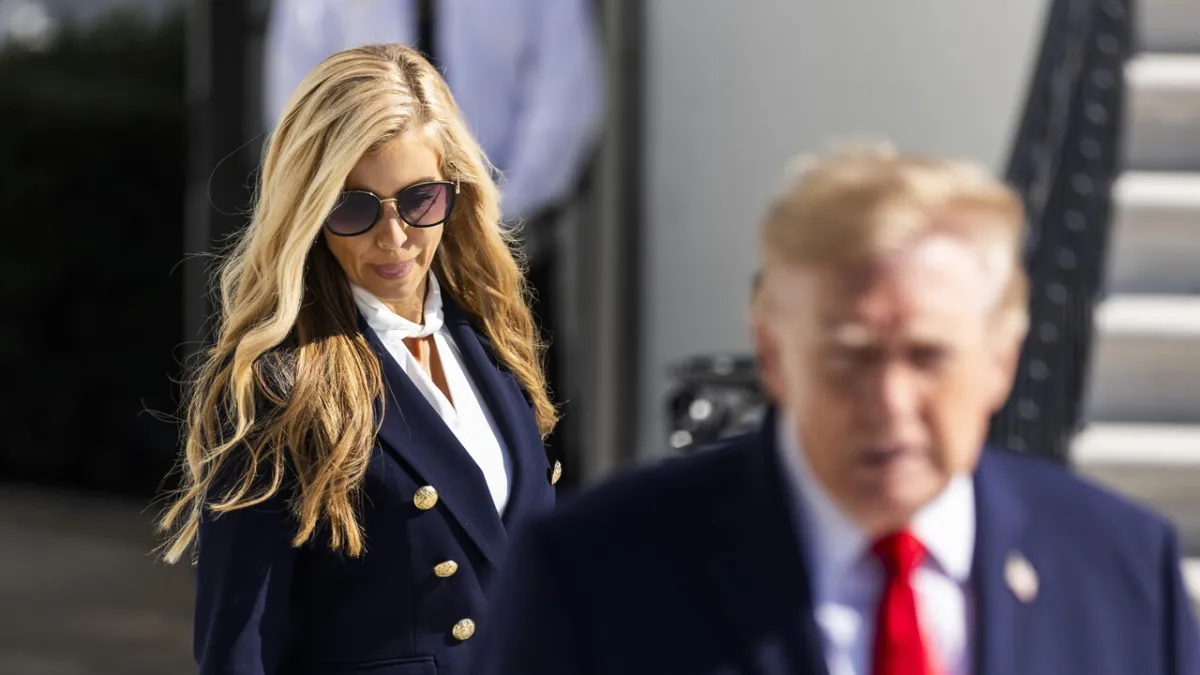
WASHINGTON D.C. – President Donald Trumps administration is once again marked by turmoil. A White House spokesperson has reportedly been dismissed from their position after serving for only five days. This event sets a new record for the shortest tenure in such a strategic role, even surpassing Anthony Scaramuccis controversial record during Trumps first term.
This abrupt dismissal occurred rapidly, fueling speculation about the internal dynamics within the presidents inner circle. The individual dismissed, identified as Zacharia, is now under public scrutiny due to their brief time in this crucial post. This incident undeniably illustrates the intense demands and high expectations surrounding the White House environment under Trumps leadership.
Previously, Anthony Scaramucci held the record for the shortest tenure as communications director, lasting ten days, in 2017. That record has now been broken by Zacharia, highlighting a pattern of rapid and sometimes dramatic personnel changes within the presidential communication team. This serves as an indicator of the immense pressure faced by officials tasked with conveying the administrations message to the public.
Trumps swift action raises questions about the stability of the communications team and the White Houses long-term strategy. The spokesperson position is the frontline in interacting with the media and shaping the governments public narrative. The sudden departure of a key official can disrupt the flow of information and create a perception of uncertainty.
An anonymous source within the White House indicated that the decision was the result of an instant and uncompromising performance evaluation. This statement, while not elaborating further, reinforces President Trumps image as a highly decisive leader who does not hesitate to take drastic action against staff deemed not to meet standards.
Following the vacancy, the name of social media influencer known as Maga Loomer has been widely rumored as a potential candidate. Loomer, with a strong follower base and a vocal communication style, is known as a staunch supporter of the MAGA movement. Her nomination, if it materializes, would mark a significant shift in the profile of a White House spokesperson, potentially bringing a more digital-centric and direct approach to message delivery.
The choice to consider a figure like Maga Loomer may also reflect the administrations desire to more effectively reach its supporter base directly, bypassing traditional media channels. This is a strategy often employed by President Trump in building his political communication.
Trumps tenure in the White House, both in his first term and currently in 2026, has consistently been marked by dynamic staff changes. From cabinet secretaries to senior advisors, several officials have experienced the pressure to adapt to a unique leadership style or face unexpected dismissal. This aligns with his firm stance in personnel management, as seen in various policies, including foreign affairs issues such as Musks proposal to limit Starshield in Ukraine to Trump.
Political observers suggest that a high frequency of spokesperson changes can affect the credibility and consistency of messages delivered by the White House. Effective communication is key to maintaining public trust and addressing challenges on both domestic and international stages.
Now, the ball is in President Trumps court to decide who will fill this vital position. Whether Maga Loomer will be the final choice, and how her approach will impact the White Houses image, will be a primary focus for journalists and the public. These behind-the-scenes dynamics reflect the ongoing challenges of managing communication at the pinnacle of United States power.
Editorial Insight:
The dismissal of a spokesperson in such a short period, even for an administration known for rapid staff turnover like the Trump era, sends a strong signal about uncompromising expectations and possibly a very challenging work environment. The potential inclusion of a figure like Maga Loomer also suggests that the White House might increasingly lean towards a communication strategy that relies more on social media and direct interaction with its supporter base, rather than mainstream journalism. This could spark further debate about the future relationship between the media and the presidency.