 Angel Doris
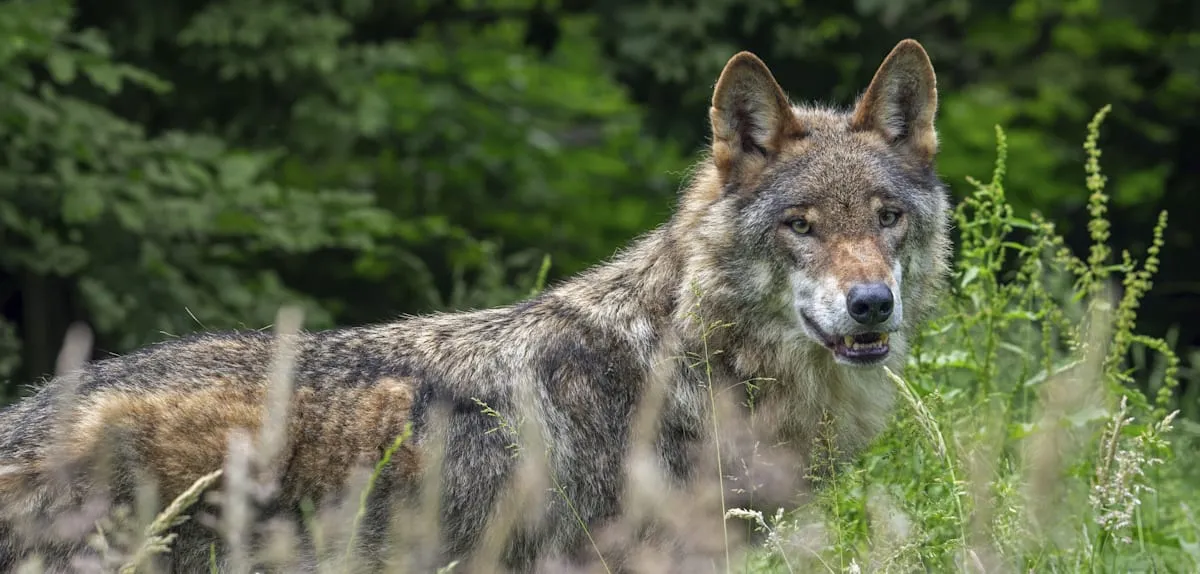
TUSCANY — A dramatic claim of an alleged wolf attack on a two-year-old toddler in the Tuscany region of Italy is now under scrutiny after local police and authorities unequivocally denied the family's version of events. The incident, which initially sparked public concern, has turned into an investigative mystery, questioning the validity of the initial report and the authenticity of the predator threat in rural Italy.
Initially, the toddler's family reported that a wild wolf approached their child, and it was only thanks to the bravery of their pet dog that the toddler was saved from danger. This heroic narrative quickly spread, eliciting mixed reactions from the public, especially in areas known as wolf habitats. The family claimed their dog acted as a protector, fending off the wolf and preventing a more serious incident.
However, a thorough investigation conducted by local police found significant inconsistencies. Chief of Police for Tuscany, Giuseppe Rossi, stated in a recent press conference that "there was no concrete evidence to support the claim of a wolf attack." "We have gathered evidence, interviewed witnesses, and analyzed the crime scene. The results do not indicate any aggressive interaction between a wolf and the toddler," Rossi asserted.
Echoing the police, the Mayor of the municipality where the incident occurred, Maria Giannini, also spoke out. Giannini emphasized that the family's initial report might have been a misperception or an over-interpretation of an event. "We understand the parents' concerns. However, based on available data and investigation, there was no direct threat from a wolf as described," Giannini explained, adding that the area has strict protocols for wildlife management.
The striking discrepancy between the family's claims and the authorities' findings has sparked various speculations. Some parties suggest the incident might have involved stray dogs or other animals mistaken for a wolf. Tuscany's rich rural environment, abundant with wildlife, can sometimes be a source of confusion for residents less familiar with the characteristics of each species.
The presence of wolves in Italy, particularly in rural and mountainous areas like Tuscany, has been a long-standing topic of debate. Wolf populations in Italy have increased significantly in recent decades, thanks to conservation efforts and protection policies. This increase often leads to conflicts with human activities, especially livestock farming.
The public responded to these developments with a mixture of confusion and relief. Initial fears for the safety of children in rural areas have somewhat subsided, but questions arise as to why the family insisted on their initial claims. Some observers suggest that the dramatic narrative might have aimed to draw attention to wolf population issues or to gain public sympathy.
Authorities state they will continue to monitor the situation and enhance public education regarding safe interactions with wildlife. Awareness programs on animal identification and preventive measures are planned to prevent similar incidents in the future. "It is important for the community to understand that coexisting with wildlife requires knowledge and vigilance," said a spokesperson for the local environmental agency.
This case underscores the importance of verifying information, especially concerning incidents involving wildlife and human safety. The speed of news dissemination in the digital age often precedes careful investigative processes, leading to misinformation and unnecessary panic.
With official denials from the police and municipal government, this incident in Tuscany transforms from a heroic tale into a case study on narrative versus fact. While the family stands by its version, authorities assert that evidence does not support the claim, leaving the final judgment to public perception. This story serves as a reminder for all parties to always be critical of circulating information.