 Dorry Archiles
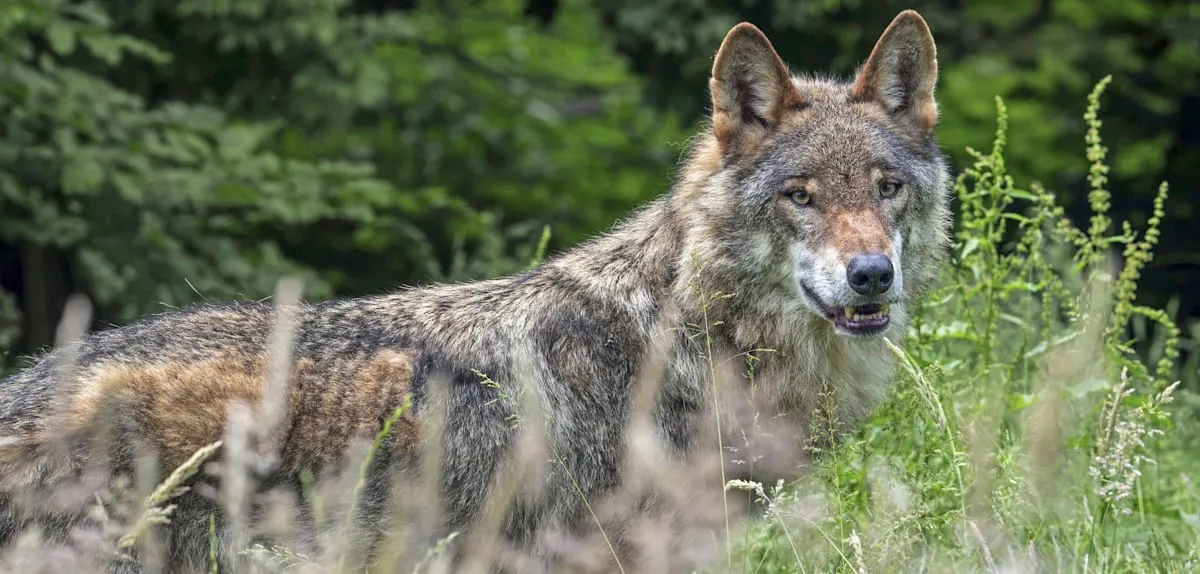
HAMBURG – Environmental authorities in Hamburg are currently scrutinizing a series of wolf sighting reports that could spark concern in the western part of the city, particularly in the Klovensteen forest. A thorough investigation is underway following numerous tips received, prompting a call for vigilance among pedestrians and dog owners. This incident emerges amid increasing interactions between wildlife and human habitats.
The Hamburg Ministry of Environment and Energy (BUE) confirmed that they are analyzing image materials and trace evidence believed to be from a wolf. The locations of the discovered tracks and sightings are spread across the Klovensteen area, a popular recreational forest bordering densely populated residential areas.
The appearance of a wolf, if confirmed, would mark a significant event for Hamburg's urban and suburban ecosystems. This species was once considered extinct in many parts of Europe, but its population is slowly recovering in several countries, including Germany.
We have received several reports from residents claiming to have seen a wolf or found its paw prints, stated a BUE spokesperson. Our field team is moving quickly to verify every lead, collect DNA samples where possible, and analyze surveillance camera footage.
As a precautionary measure, the city government is proactively urging the public, especially those frequently active around Klovensteen, to increase their vigilance. Dog owners are asked to keep their pets on a leash at all times and not allow them to roam freely.
According to conservation biologists, wolves generally avoid direct contact with humans. However, the presence of a wolf near residential areas could indicate habitat expansion or potential food sources attracting the animal closer. Germany has seen the return of wolves in recent decades, with populations concentrated in the eastern and northern parts of the country.
Similar cases have occurred in other regions of Germany, sparking debate between wildlife protection and public safety. Local authorities emphasize the importance of a measured response, based on accurate scientific data, rather than panic.
Residents around Klovensteen expressed a mixture of surprise and concern. Some voiced worries about the safety of children and pets, while others viewed it as a positive sign of ecological recovery. The Klovensteen area itself is a favorite recreational destination for residents of Hamburg and its surroundings, who must now adapt to the potential presence of a wild predator.
The BUE affirmed that public safety is the top priority. They promised to provide regular updates after the analysis results of the evidence are gathered. If the wolf's presence is confirmed, mitigation measures will be prepared according to European wildlife conservation guidelines.
This incident highlights the challenges of coexistence between humans and wildlife in increasingly dense landscapes. It also serves as a reminder that nature has a way of reclaiming its territory, even at the edge of modern metropolitan cities.
Editorial Insight: The presence of a wolf in a densely populated area like West Hamburg is not merely an ecological phenomenon but also a complex social issue. The city government will face pressure to balance wildlife protection with residents' concerns. Transparency and public education are key to preventing wild speculation and ensuring a rational response. The potential for conflict with livestock owners (if any) also needs to be anticipated, although Hamburg's context is more urban. This is a test of society's adaptation to changing natural dynamics.