 Stefani Rindus
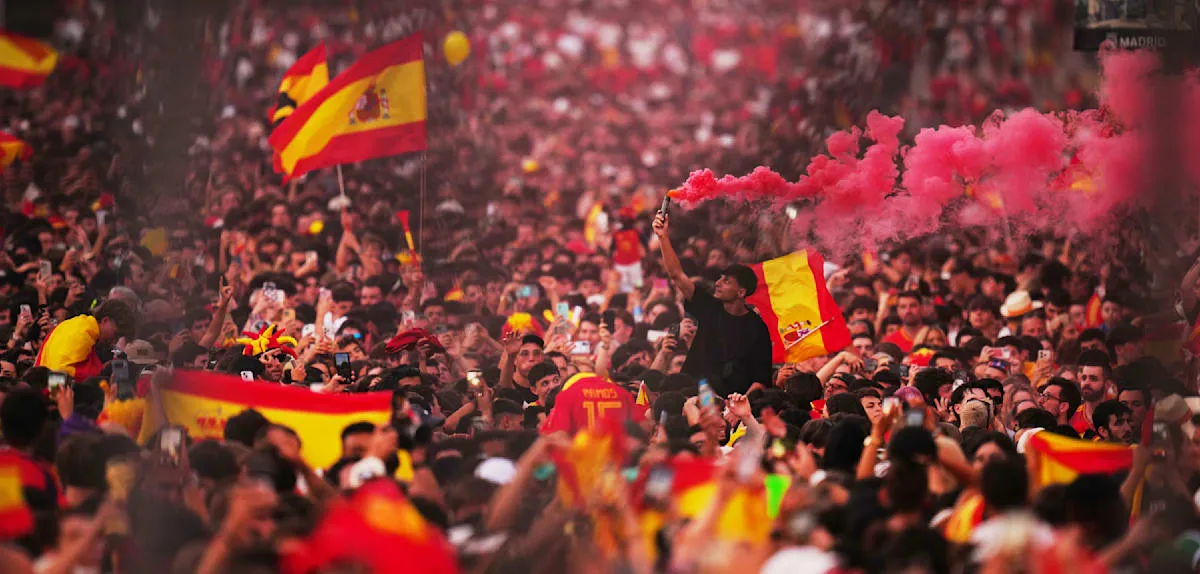
Madrid — Millions of Spanish citizens poured into the streets of the capital in 2026, celebrating the glorious victory of their national team in the World Cup. Madrid transformed into a red and yellow sea, the proud colors of the Spanish flag, welcoming the football heroes who had just clinched the world's most prestigious trophy. This euphoria was not only felt in the city center but spread to every corner of the country, marking a new chapter in Spanish sports history.
The scene in Madrid that day was truly captivating. Over two million fans gathered, filling Plaza de Cibeles to Paseo de la Castellana, creating an unforgettable party atmosphere. They waved flags, sang proud chants, and shouted the names of the players who had made history. The Spanish public's long wait for a world title was finally paid off with the impressive performance of a solid and spirited team.
This celebration marked the culmination of the Spanish national team's long struggle, coached by a renowned figure. From the group stages to the final, La Furia Roja displayed extraordinary consistency and determination. This victory is not merely a trophy; it represents hard work, meticulous strategy, and an unyielding fighting spirit. Spanish society now celebrates, enjoying the moment they have dreamed of for years.
Amidst the overflowing joy in Madrid, another narrative unfolded on a different continent. In Buenos Aires, Argentina, thousands of supporters welcomed their national team, even though their World Cup 2026 journey did not end with the championship title. This reception, though not as boisterous as Madrid's, still showed deep loyalty and appreciation from fans for the team's efforts.
The Tango Team, as Argentina's national team is known, arrived home after a thrilling final match. Although they failed to bring home the trophy, the players were still greeted as heroes. Supporters filled the streets with blue and white flags, demonstrating pride in the team's achievements, which fought to the very end. Their presence in the final, once again, affirmed Argentina's position as one of global football's powerhouses.
However, the Argentine team's return was not entirely without scrutiny. The public and media highlighted the absence of superstar Lionel Messi from the reception. Messi's absence sparked speculation and questions among fans, fueling debate about the legendary captain's future with the national team. This added a melancholic nuance to what should have been a proud welcome. Further details on this event can be found in The Mystery of Messi's Absence Marks Argentina's Return After the 2026 World Cup Final.
The 2026 World Cup final itself also left behind several issues that are now attracting the attention of football authorities. FIFA is reportedly investigating "commotion" that occurred during the summit match. This incident, whose details are still under investigation, potentially could lead to severe sanctions for the Argentine team. This tension adds a dark note to their journey in the most prestigious tournament. Readers can explore further developments of this investigation through the article FIFA Investigates 2026 World Cup Final Commotion: Argentina Faces Heavy Sanctions!.
Spain's victory in the 2026 World Cup adds to the country's long list of international sports achievements. This is not just about football; it is about the spirit of togetherness and national identity that radiates strongly from every cheer and waving flag. The entire nation united in joy, momentarily forgetting differences to celebrate shared glory.
History records that moments like these have the power to unite communities. Amidst the challenging global dynamics of 2026, football euphoria provides an oasis of happiness and collective pride. Madrid, with its red sea, becomes a symbol of boundless celebration for the highest achievement in sports. For more details on this celebration, visit Madrid Roars: Spain World Champion 2026, Public Party Wrapped in Deep Sorrow.
The contrast between the celebrations in Madrid and the reception in Buenos Aires highlights the duality of emotions in football: the ecstasy of victory and bitter pride. Both are an integral part of the World Cup narrative, a tournament that always manages to deliver drama, joy, and at times, controversy.