 Dorry Archiles
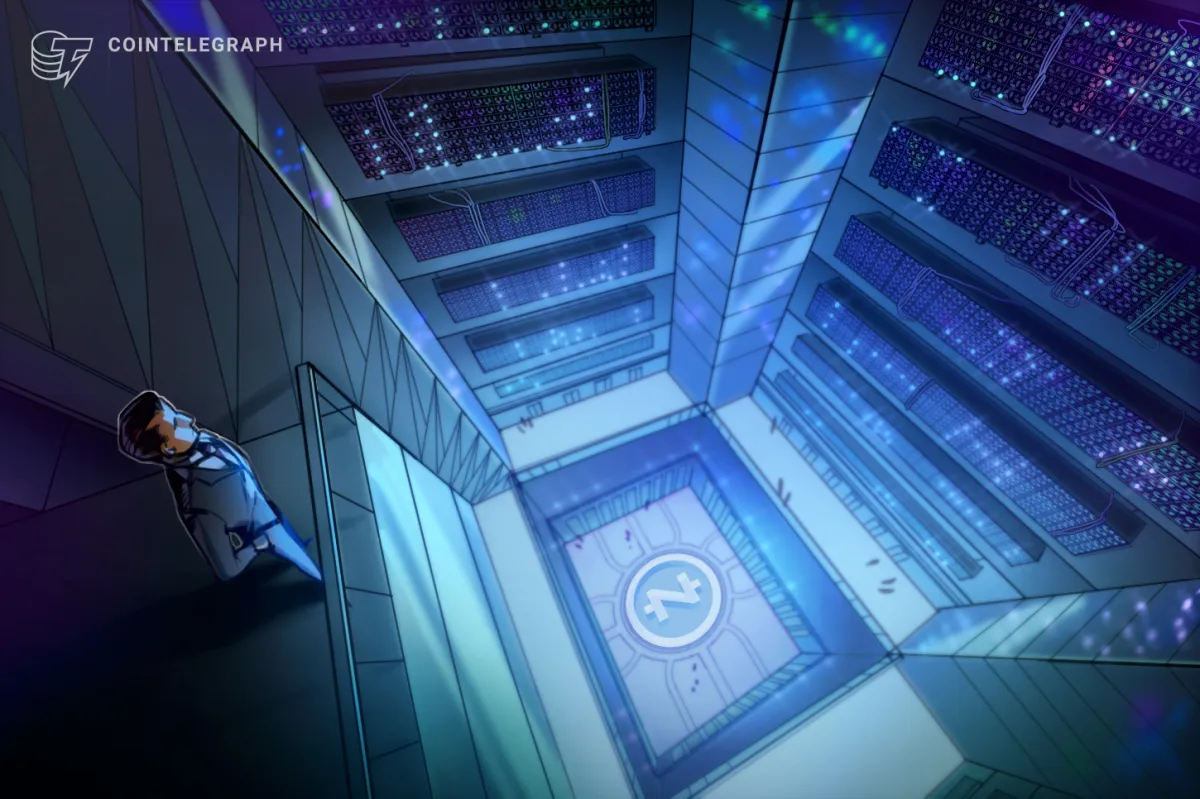
JAKARTA – The Zcash cryptocurrency network is facing turmoil after its NU7 upgrade unexpectedly stranded over $15 million in digital assets. Approximately 12,224 ZEC units are now trapped in the legacy Sprout fund pool, causing significant panic among global investors relying on this privacy-focused blockchain ecosystem. This incident, occurring post-launch of the latest network upgrade, raises serious questions about fund security within the evolving landscape of decentralized technology.
The NU7 update was designed as a progressive step to enhance privacy and efficiency in Zcash transactions. However, unforeseen consequences emerged when funds stored in older Sprout pool addresses became inaccessible. The technical mechanism behind this upgrade effectively severed compatibility with the old Sprout data structure, rendering these assets unspendable by their owners.
The Sprout fund pool was part of Zcash's earlier architecture, predating the evolution to more advanced and secure Sapling and Orchard protocols. Although the community had long been urged to migrate their assets to newer pools, some investors apparently still held their ZEC in these legacy addresses, unaware of the inherent risks.
The financial impact of this incident is substantial. With a valuation of approximately $15 million, the stranded funds represent a significant potential loss for thousands of individuals and entities. The already volatile crypto market has become even more tense, given that trust is the primary currency in the world of digital assets.
Despite the critical situation, Zcash Foundation developers have hinted at potential solutions. They are currently exploring the possibility of implementing a future network upgrade that could restore access to the trapped Sprout funds. However, there is no definite timeline or absolute guarantee regarding the success of this recovery effort. This uncertainty exacerbates investor anxiety.
This event also highlights the complexity of managing and maintaining continuously evolving blockchain networks. Every update, while aiming for improvement, can carry unexpected risks, especially in systems with legacy components. The importance of clear communication and user education becomes crucial in this dynamic technological environment.
Amidst global crypto market volatility, this Zcash incident adds to the list of challenges faced by investors. Previously, the market was also stirred by news of crashing Bitcoin and Ether ETFs, as well as plans by several countries like Greece to implement new taxes that could shake investors. All this illustrates a digital asset landscape full of dynamics and uncertainties.
The Zcash community's response to this crisis will be a test of decentralized governance. How developers, miners, and token holders collaborate to find a solution will be crucial in determining future trust in the Zcash project and similar cryptocurrencies. Transparency and speed in providing accurate information are key to alleviating concerns.
This occurrence also serves as a stark reminder for investors to constantly monitor the technical developments of the crypto projects they hold. Migrating funds from older to newer pools should be a priority, especially when warnings are issued by development teams. Personal education is the first line of defense against unexpected losses.
Governments and regulatory bodies worldwide are increasingly scrutinizing the digital asset sector. Incidents like these stranded funds could bolster arguments for stricter regulatory intervention aimed at consumer protection. Nevertheless, excessive regulation also has the potential to stifle innovation in this nascent blockchain space.
Editorial Insight: The Zcash NU7 incident is not merely a technical glitch, but a mirror reflecting fundamental challenges in blockchain evolution. The conflict between innovation and backward compatibility will always exist. This case demands maximum transparency from developers and a high level of awareness from investors. If a recovery solution is not promptly found or implemented, trust in Zcash as a premier privacy asset could erode significantly, impacting market perception of the entire privacy-oriented digital asset sector. This event will serve as an important case study in the ongoing debate about decentralization, security, and responsibility within the turbulent crypto ecosystem of 2026.