 Stefani Rindus
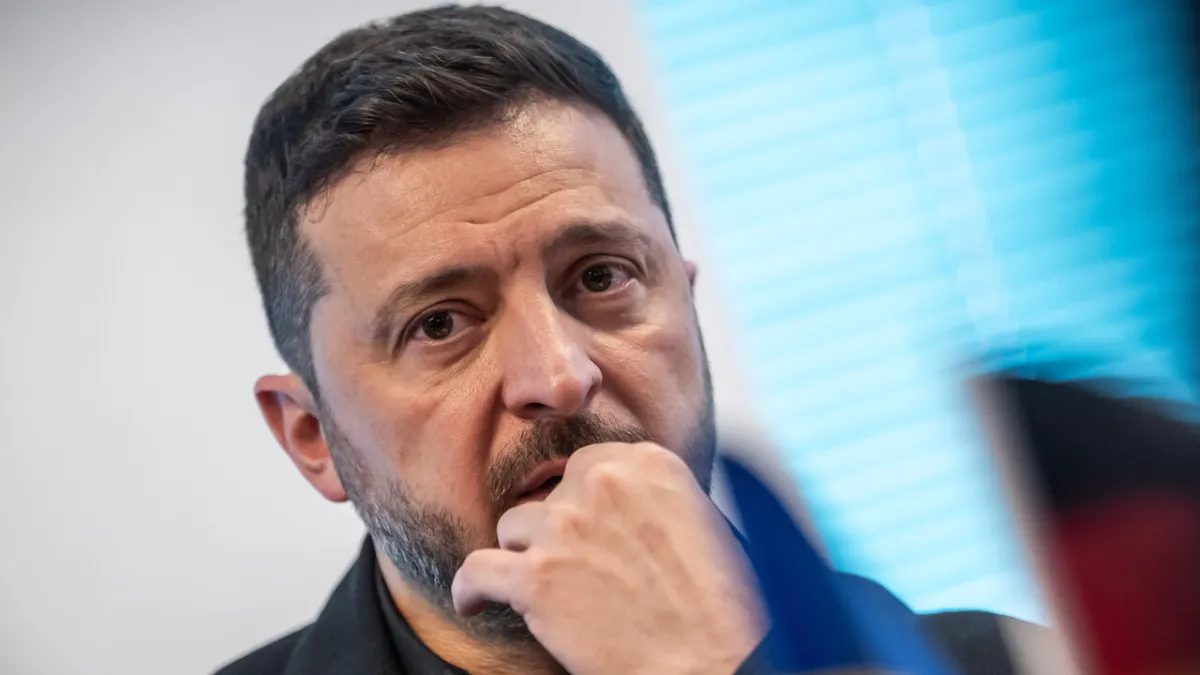
Kyiv — Ukrainian President Volodymyr Zelensky has surprisingly announced a major cabinet reshuffle, dismissing the incumbent prime minister and hinting at the possible return of former government leader, Denys Shmyhal, in early 2026. This drastic decision immediately sparked widespread speculation regarding Ukraine's political and military strategy amid ongoing geopolitical dynamics.
This political move marks a crucial phase in Zelensky's administration, which continuously strives to strengthen its executive structure in the face of domestic and external challenges. The replaced prime minister held office during a turbulent period.
Internal sources in Kyiv indicate that this reshuffle is part of a systematic effort to enhance cabinet efficiency and responsiveness. The expectation is that a new formation can accelerate the implementation of crucial policies, especially those related to defense and national recovery.
Denys Shmyhal, who previously served as prime minister before Svyrydenko and currently holds the position of Minister of Energy, is widely rumored as a strong candidate to lead the cabinet once more. His past experience and understanding of the energy sector are considered valuable assets.
If Shmyhal is reappointed, this change would not merely be a personnel swap but also a potential shift in policy direction. A focus on energy stability and economic adaptability becomes a top priority amid the protracted crisis.
Political analysts view this decision as Zelensky's maneuver to consolidate power and appoint individuals fully aligned with his strategic vision. The ongoing war situation demands strong and coordinated leadership.
The change in leadership at Ukraine's executive helm also potentially sends a signal to the international community. It could be interpreted as Kyiv's effort to demonstrate dynamism and adaptability in confronting global pressures.
Issues of corruption and the need for internal reforms often serve as the backdrop for cabinet reshuffles in any country. While no official statements have linked these, the public certainly awaits transparency from the new administration.
Nevertheless, some parties question the timing of this reshuffle. In a precarious situation, political stability should be a top priority. However, Zelensky might perceive a greater urgency in leadership renewal.
History shows that cabinet reshuffles are often undertaken by leaders of conflict-ridden nations to respond to criticism or anticipate pressing needs. Ukraine is no exception to such political dynamics.
Shmyhal's return, if realized, would mark a new chapter for Ukraine's leadership. His track record as the current Minister of Energy is under scrutiny, given the crucial nature of this sector for national resilience.
The Ukrainian government under new leadership is expected to formulate more effective strategies to rebuild damaged infrastructure, secure international support, and address the humanitarian crisis.
This event recalls similar dynamics that occurred previously, as reviewed in the article Zelensky Ganti Perdana Menteri: Kabinet Berubah, Pertahanan Menguat?, which illustrates the importance of internal consolidation for the Ukrainian government.
Economically, political stability is essential to attract investment and ensure the smooth flow of international aid. The cabinet change is hoped not to disrupt, but rather to accelerate the recovery process.
The final decision regarding the new cabinet lineup will undoubtedly be a central focus in the coming days or weeks, both domestically and internationally.