 Edward DP Situmorang
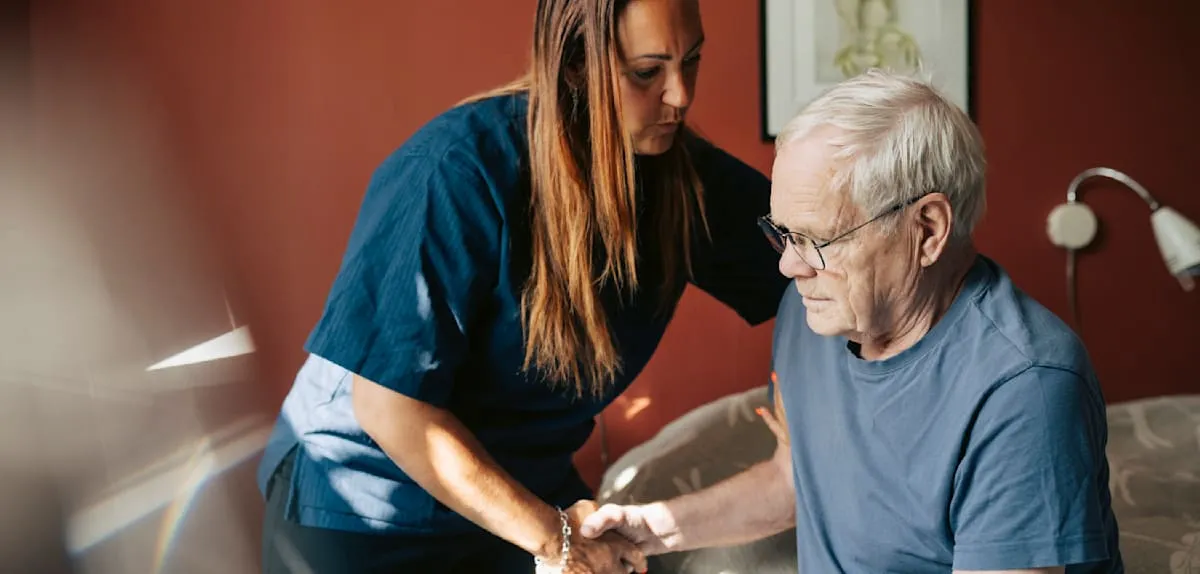
BERLIN — New data released in early 2026 has shaken the German public, revealing the bitter truth about the elderly care sector. The costs for nursing home care are skyrocketing exponentially, reaching alarming levels. Ironically, despite continuously increasing personal contributions from residents, they cannot expect any financial relief.
This cost surge has become a sharp focus for millions of families in Germany with elderly relatives. The increase is not merely an inflation adjustment but a significant rise that threatens the financial stability of many households. This situation has ignited fierce debate about the sustainability of Germany's social care system.
In-depth reports indicate that the average personal contribution borne by each nursing home resident has reached a new high. These figures cover accommodation, meals, and a portion of medical care costs not fully covered by health insurance or government subsidies.
This condition raises fundamental questions about the accessibility of quality care for all segments of society, especially the most vulnerable. Many families are now faced with a difficult dilemma: sacrificing their life savings or seeking alternative care options that are often less adequate.
Health Minister Warken, in her statement, acknowledged the complexity of this issue. She affirmed that the approach taken by her ministry is the correct step to address the challenges, although the details of implementation and their impact are still subject to public discussion. This approach is said to focus on structural reforms, but its effects have not yet been optimally felt by nursing home residents.
This cost increase is largely due to several factors. One is the shortage of professional caregivers in the sector, which drives up wages and operating costs for nursing homes. Additionally, increasingly higher care quality standards also contribute to inflated expenses.
Nursing homes in Germany, known for their comprehensive facilities and services, are now facing dual financial pressure. On one hand, they must maintain service quality; on the other hand, they must find ways to reduce costs without compromising residents' well-being.
The implications of this cost crisis extend to the macroeconomic sector. Rising household expenditures for elderly care have the potential to reduce overall public purchasing power, as well as burden the state budget with increasingly larger subsidies. This situation underscores the urgency of comprehensive and sustainable reforms.
Economic observers and social experts have long warned of this potential crisis, pointing to Germany's rapidly aging demographic changes. Without a fundamentally redesigned system, this burden is expected to grow heavier in the coming years.
This situation is similar to the financial challenges faced by the wider society. As previously highlighted in a related article, \"Millions of German Families Threatened by Financial Disaster, Minimal Protection During Crucial Times\", the issue of crucial financial protection is indeed a central concern in Germany.
The federal and state governments in Germany are now urged to seek more innovative and long-term oriented solutions. This includes not only greater subsidies but also reforms to the care insurance system, investment in care technology, and strategies to attract more workers to this sector.
Public debate regarding this “bitter truth” of elderly care is expected to foster constructive dialogue among the government, service providers, families, and civil society. The goal is to ensure that every German citizen, regardless of economic status, can access dignified care in their old age.
Health Minister Warken's strategy, which is said to be correct, must be articulated more clearly to the public. Transparency regarding action plans, cost projections, and expected benefits will be crucial for gaining broad support and building public trust.
Ultimately, the solution to the problem of nursing home costs in Germany requires a multi-sectoral approach. This is not just a budgetary issue, but also a matter of social ethics and commitment to the welfare of the golden generation who have contributed much to the country.
Without substantial reforms, this financial burden will continue to haunt, creating deeper inequalities and eroding the social safety net that characterizes Germany. The year 2026 is a crucial moment to determine the direction of more equitable and sustainable elderly care policies.