 Stefani Rindus
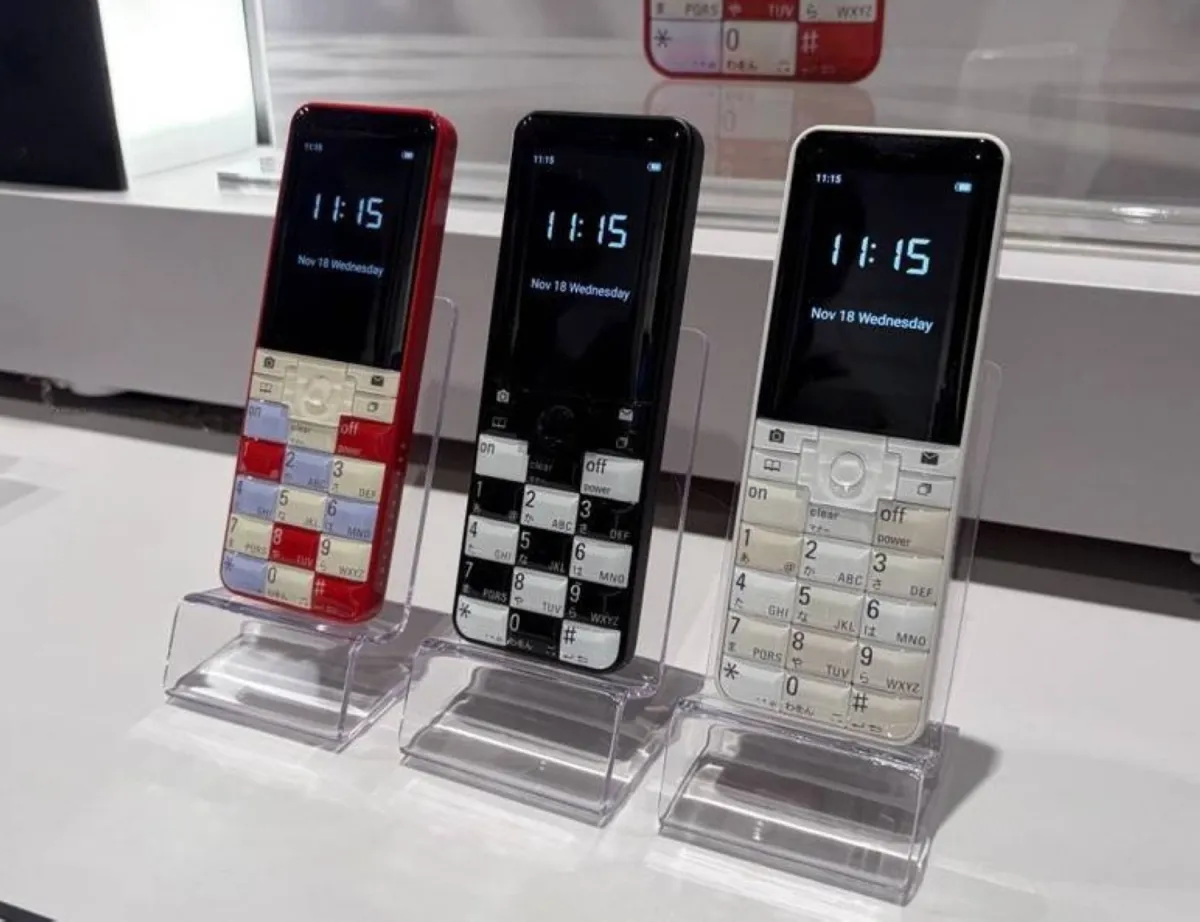
TOKYO – KDDI, a leading telecommunications giant in Japan, has officially announced the revival of its iconic feature phone, the Infobar, in 2026. This move has surprised many as the new version of the device, popular in the early 2000s, will return with intentionally limited capabilities, and most notably, without an internet connection.
This radical decision signals a growing retro-technology trend amidst the hustle and bustle of an increasingly interconnected digital world. The latest generation Infobar is expected to capture the attention of consumers yearning for communication simplicity or those seeking an alternative to the dominance of smartphones.
The first Infobar phone was launched in 2003, captivating the market with its revolutionary design and minimalist aesthetic. The collaboration with designer Naoto Fukasawa created a device that was not merely a communication tool but a style statement. Now, KDDI aims to rekindle that charm with a similar essence, adapted for the 2026 context.
The new Infobar is designed to embody essential phone functions, such as voice calls and basic text messages. This is an antithesis to the onslaught of smart features, social media applications, and relentless notifications on modern smartphones. KDDI sees a market gap in the segment of users who wish to reduce screen time and practice digital detoxification.
This focus on simplicity also means the device will offer significantly longer battery life, a highly coveted feature today. Without the burden of internet connectivity and heavy applications, the Infobar has the potential to last for days on a single charge, providing freedom from portable charger dependency.
This strategy can be seen as a clever attempt by KDDI to target the nostalgia market. Many young adult consumers in Japan and around the world who grew up with the Infobar may be tempted to own a piece of their past again, but with a modern, tailored touch.
Furthermore, the new Infobar could also appeal to specific groups such as seniors who need an easy-to-use device, or parents who want to provide their children with a communication tool without access to inappropriate online content. This is a pragmatic and needs-oriented approach for specific users.
The resurgence of this feature phone may also spark a debate about the impact of technology on mental health. With increasing awareness of internet and social media addiction, devices like the Infobar offer a solution that allows individuals to stay connected without getting caught in a whirlpool of information overload.
KDDI's move deserves close attention as an indicator of potential shifts in the technology industry. While other giants compete to create increasingly sophisticated and connected gadgets, KDDI has chosen the opposite path, proving that innovation does not always mean adding features, but also smart simplification.
Industry players in Japan continue to show diverse innovation, not just in the gadget segment. Companies like Rapidus, for example, are actively developing advanced semiconductor chip technology in Hokkaido, as previously reported in our article, Japan's Chip Revolution: Rapidus Secures Trillions in Tax Incentives in Hokkaido. This demonstrates the dynamic technological landscape of Japan from various perspectives.
The 2026 Infobar is not just a phone; it is a philosophy. It represents a choice to live more consciously and controlled in technology use, an anti-digital manifesto that may find many followers in an era increasingly saturated with boundless connectivity.
Editorial Insight: KDDI's decision to revive the Infobar without an internet connection is a bold and strategic move. It is not merely an attempt to leverage nostalgia but also a response to a market demand for digital balance. If successful, this move could validate the digital detoxification trend and encourage other companies to consider developing gadgets that focus more on essential functions, challenging the paradigm that endless connectivity is the only future of technology.