 Robert Andrison
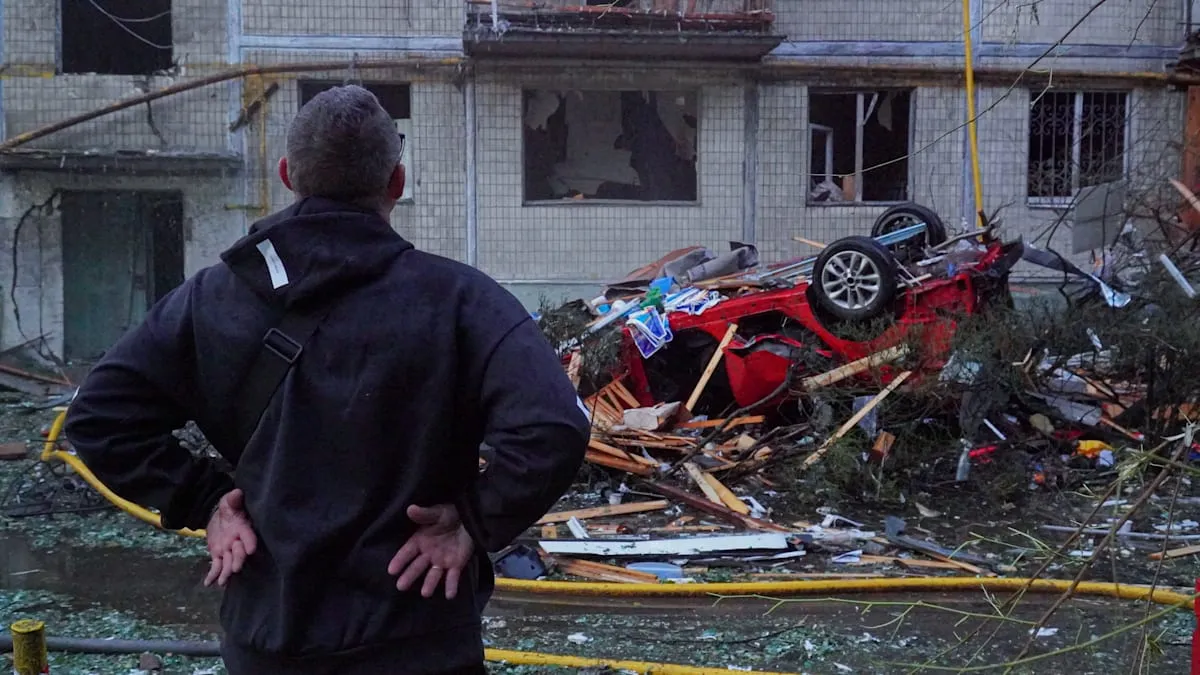
Kyiv — Large-scale air attacks by the Russian military once again struck several regions in Ukraine in early 2026, killing at least ten civilians and injuring dozens more. This intensified military aggression marks a significant escalation in the protracted conflict, with Ukraine facing severe challenges in repelling advanced Russian missiles.
Missile fragments and building debris were scattered across various cities, leaving a trail of destruction and panic among the population. Rescue teams and medical personnel swiftly responded to the scene, racing against time to search for victims who might still be trapped under the rubble.
WELT-Reporter Ibrahim Naber highlighted the gravity of the situation. “We are currently experiencing an escalation in this war, particularly regarding air attacks,” Naber stated, describing the worsening battlefield situation and its impact on the daily lives of Ukrainians.
These latest attacks targeted vital infrastructure and residential areas, exacerbating the humanitarian crisis that has been ongoing for years. The Ukrainian government strongly condemned these actions, calling on the international community for a firmer response to Russian aggression.
Ukrainian President, Volodymyr Zelenskyy, in his national address, asserted that these brutal actions would not break the spirit of his people. He pledged to continue fighting for Ukraine's sovereignty and freedom, and to seek justice for the victims.
Naber added that Ukraine’s air defense capabilities are now severely tested. “Ukraine is currently facing enormous problems in fending off the fastest Russian missiles,” he revealed, emphasizing the urgent need for more modern and effective defense systems from Western allies.
This tragic incident adds to the growing list of civilian casualties since the conflict began. Schools, hospitals, and residential buildings often become indirect targets, demonstrating that modern warfare knows no boundaries between combatants and non-combatants.
Ukraine's vast geographical expanse and direct border with Russia make air defense a complex challenge. Despite receiving substantial military aid, efforts to create a comprehensive defense shield are still ongoing.
Some analyses suggest that these attacks are part of Russia's strategy to undermine Ukrainian morale and defensive capacity ahead of winter. Moscow appears to be attempting to force Kyiv into submission or at least to accept significant concessions.
International responses have varied, but most Western nations have expressed strong condemnation and pledged increased assistance. The European Union and NATO held emergency meetings to discuss next steps, including potential additional sanctions against Russia.
This crisis also reignites concerns about security in Eastern Europe. Similar worries arose when Russia conducted military consolidation on the Finnish border, indicating a broader pattern of escalation.
Amidst the turmoil of war, civilian populations in Ukraine continue to display remarkable resilience. They adapt to difficult conditions, help each other, and continue to hope for lasting peace.
This situation indicates that the conflict in Ukraine is far from over. With both sides unwilling to yield, the prospects for peace still seem bleak, and civilians continue to bear the heaviest burden of every attack.
These events underscore the urgency of global diplomacy to find a sustainable solution, although such efforts have often met with dead ends. The world awaits more constructive policies to end this unending suffering.