 Robert Andrison
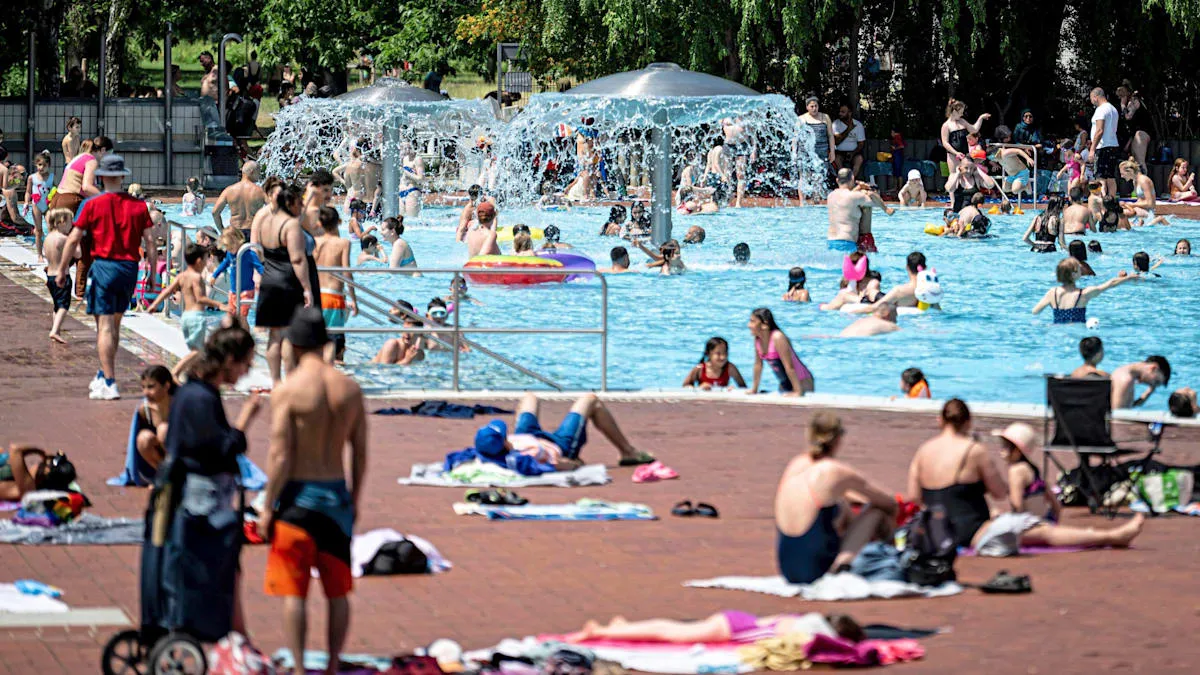
EUROPE — The extreme heatwave sweeping across the European continent in mid-2026 has transformed recreational oases into conflict zones, with reports of surging mass brawls, assaults, and alleged sexual violence in public swimming pools and bathing lakes. This phenomenon triggers serious public safety concerns and raises questions about social adaptation to climate change.
These public pool violence incidents are widely reported, covering various large and small cities across Europe. News sources like WELT TV consistently highlight the escalation of conflicts that turn visits to water recreation areas, which should be calming, into traumatic experiences for many citizens.
The increasing frequency and intensity of this violence are closely linked to extremely high air temperatures. Social and environmental psychology experts suggest that extreme temperatures can trigger higher levels of stress and frustration among individuals, potentially lowering their tolerance threshold and inciting aggressive behavior.
Many visitors, especially families with children, are now hesitant to frequent these public facilities. The atmosphere, previously synonymous with summer joy, is now shrouded in tension and anxiety, eroding the essence of recreation and communal togetherness.
Authorities in various European countries are responding by intensifying security patrols and implementing stricter rules in vulnerable locations. Some cities are considering limiting visitor numbers or even temporarily closing certain facilities in an effort to curb this wave of violence.
For instance, in several regions of Germany, police and private security officers are now stationed at every entrance to Freibäder. This step was taken after a series of reported incidents involving groups of teenagers engaging in fights and harassment, as highlighted in local media reports.
This crisis also underscores the need for a holistic approach. Beyond increased physical security, discussions about educational programs to promote positive behavior and peaceful conflict resolution in public spaces are becoming more urgent.
Some social activists argue that the root of the problem extends beyond mere high temperatures. They indicate that accumulated social tensions and a lack of positive expressive outlets among certain groups may also contribute to these violent outbursts.
The impact of the heatwave and these violent incidents is not only limited to physical safety but also psychological. Trauma and feelings of insecurity experienced by victims and witnesses can have long-term consequences for individuals and communities.
With major events such as the 2026 World Cup demanding stringent security in various European cities, this phenomenon of public pool violence adds to the burden on law enforcement. This issue is relevant to the concerns voiced in the article "Paris Mendebarkan: Kota Cinta Bersiap Hadapi Potensi Kericuhan Piala Dunia 2026".
City governments and relevant authorities face a difficult dilemma: how to ensure public spaces remain open and inclusive for all citizens, while simultaneously guaranteeing safety and order. The solutions implemented must be judicious and non-discriminatory.
Local communities in various places are starting to initiate dialogue forums and volunteer programs to create a more welcoming environment. These efforts reflect the spirit of collaboration in facing challenges arising from social and environmental changes.
Debates regarding the response to these incidents are also beginning to touch upon broader policy realms. Some politicians are calling for a review of social integration policies and law enforcement, as once discussed in "Jerman Ambil Langkah Tegas: Nasionalitas Pelaku Kriminal Akan Selalu Terungkap".
Ultimately, these public pool violence cases serve as a bitter reminder that the impact of climate change is not only felt through natural disasters but also affects daily social dynamics and security within communities. This demands a multi-sectoral and sustainable response from all stakeholders.
The media continues to play a crucial role in reporting and analyzing this phenomenon, ensuring the public is informed and pushing for accountability from authorities. In-depth coverage from various news networks helps shape the narrative and urges for solutions.