 Chandra Wijayanto
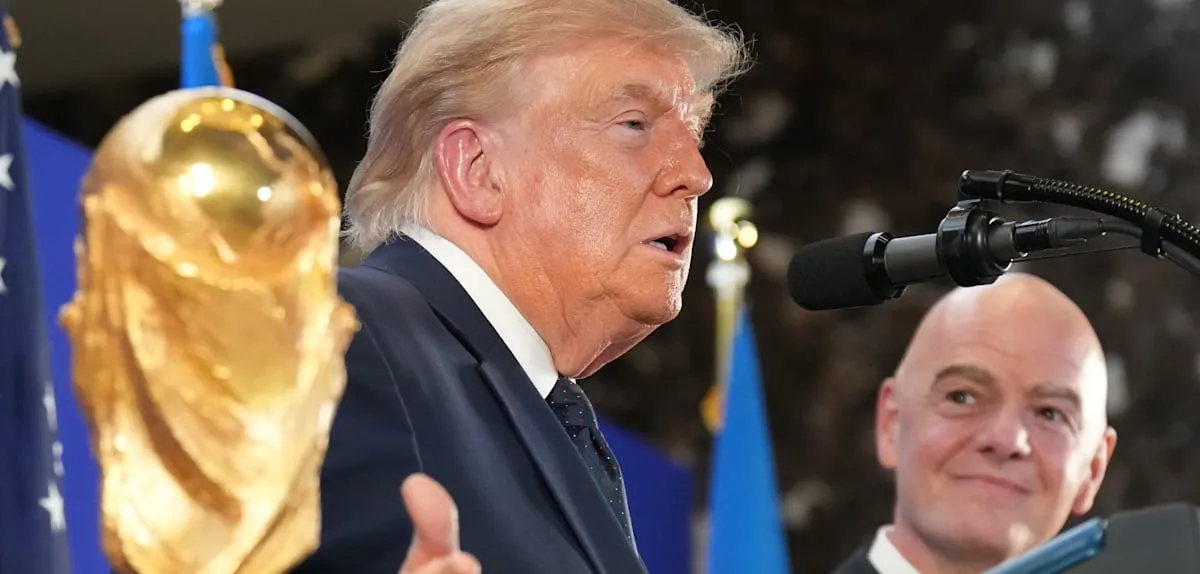
FIFA has once again startled the football world with an ambitious plan for the 2030 World Cup, signaling the potential for the largest tournament in history involving 64 teams. This expansion proposal, reportedly spearheaded by President Gianni Infantino, sparks widespread debate regarding its format, logistics, and significant impact on the global football ecosystem, long before the first kick-off whistle is blown.
Discussions surrounding the 24th edition of the World Cup have reached new dimensions. Previously, FIFA had confirmed a 48-team format set to debut in 2026 in North America. However, recent internal reports indicate that Infantino is now considering a drastic increase to 64 teams, a leap far exceeding initial projections. This move is not merely an addition of participants but a fundamental overhaul in the scale of the competition.
Infantino's vision is rooted in inclusivity and enhanced global reach. Adding more teams allows more nations to participate, providing opportunities for federations that previously rarely qualified to experience the grandest stage. From a commercial perspective, a larger tournament means more matches, more advertising slots, and potentially significant increases in broadcasting rights, potentially generating billions of additional dollars for FIFA.
If the 64-team expansion materializes, the tournament format will become exceptionally complex. A model of 16 groups, each containing four teams, with the top two advancing to the knockout stage, appears to be one of the most likely options. This would entail a total of 104 matches or even more, compared to 64 matches in the 32-team format and 80 matches in the 48-team format. The tournament duration could also extend, squeezing domestic league schedules and player well-being.
The logistical challenges will be immense. The co-hosts for the 2030 World Cup, namely Spain, Portugal, and Morocco, along with three opening matches in Argentina, Uruguay, and Paraguay, must prepare an unprecedented level of infrastructure. The availability of FIFA-standard stadiums, adequate training facilities, accommodation, and efficient transportation systems for tens of thousands of fans and delegates will be crucial.
This expansion discourse has triggered concerns from various stakeholders, particularly major European leagues and professional players associations. They vocalize worries about potentially more congested schedules, increased injury risks for players, and immense pressure on an already crammed international football calendar. Some leading clubs even question whether FIFA is overly focused on financial gains rather than athlete welfare.
Despite numerous challenges, the potential economic benefits cannot be overlooked. Hosting a tournament of this colossal scale is expected to stimulate a wave of tourism, create local employment opportunities, and drive significant infrastructure investments in the host nations. This domino effect of economic impact could be a major draw for the involved governments.
The debate regarding match quality has also emerged. Adding more teams from \"smaller\" confederations raises questions about whether this will dilute the competitive standard of the tournament. Critics argue that some group stage matches might result in lopsided scores, diminishing the overall appeal and eliminating the intensity that characterizes the World Cup.
The history of the World Cup shows a consistent trend of expansion, from 16 teams to 24 in 1982, then 32 in 1998, and now 48 teams starting in 2026. Each expansion has been accompanied by similar debates. However, the jump to 64 teams within a decade demonstrates unprecedented ambition, even by FIFA's standards.
Massive expansion also brings ethical and environmental challenges. The drastically increased number of flights for teams, fans, and officials will enlarge the tournament's carbon footprint. Issues of sustainability and environmental impact are under sharp scrutiny, compelling FIFA to integrate more eco-friendly solutions into its planning.
Sources close to the FIFA planning committee reveal that intensive discussions are underway. \"President Infantino strongly believes that football should be a more inclusive sport. Adding teams is one way to achieve that goal, although we understand the logistical challenges,\" said the unnamed source, affirming FIFA's commitment to exploring this option.
Several senior football pundits, often sharing their insights, view this move as a double-edged sword. \"On one hand, it's a huge opportunity for developing nations to shine. On the other hand, it could burden players and compromise quality,\" stated a prominent sports commentator in a popular online discussion. They also highlight how young talents like Kylian Mbappe continue to dominate big stages, a phenomenon that could be affected by the new format.
If the 64-team plan materializes, it could set a precedent for other global tournaments. Future projections suggest that pressure for expansion will persist, alongside the growing popularity of football across various parts of the world. The major question remains whether the current football structure can sustain such rapid growth without compromising the sport's integrity.
The final decision regarding the 2030 World Cup format will have profound long-term implications for global football. Between the promise of inclusivity and concerns over logistical burdens and quality, FIFA stands at a crucial crossroads. All eyes are now on Nyon, awaiting an official announcement that will shape the future of the world's most prestigious competition.