 Angela Stefani
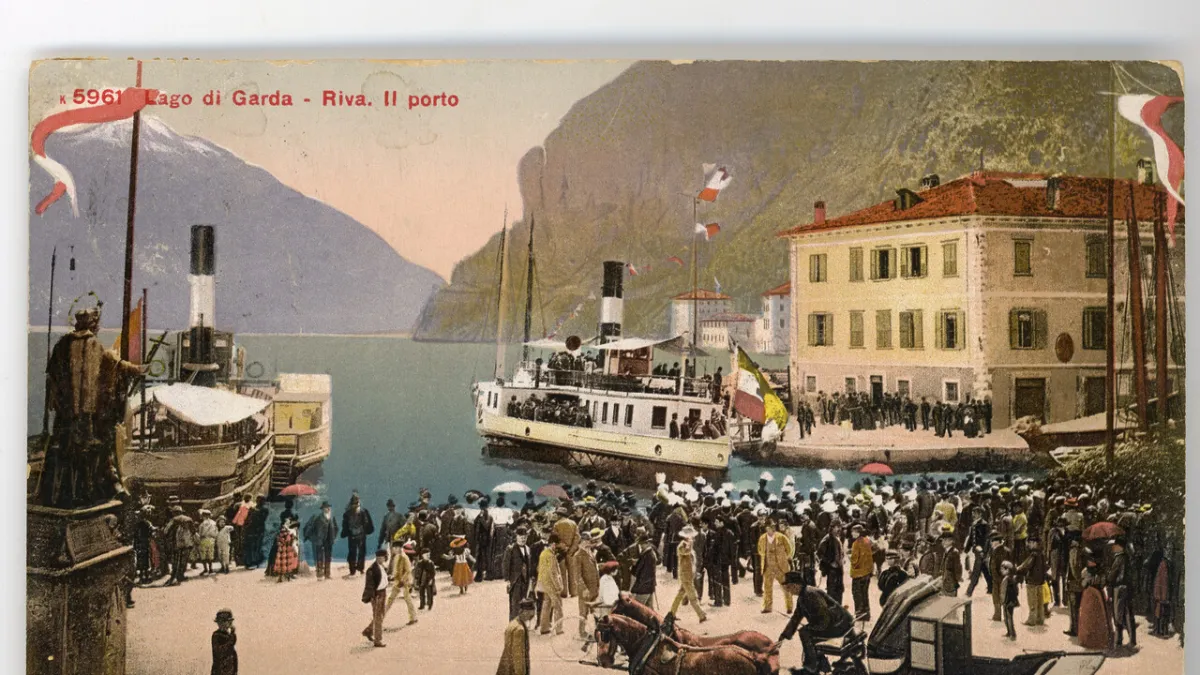
GARDA — A grand exhibition at Lake Garda in 2026 unveils a century of Italian tourism evolution, dramatically revealing how holiday habits have transformed from the glamorous Belle Epoque era to the contemporary "Instagrammable tourism" phenomenon. Through a captivating collection of manifesti and locandine (posters and playbills), visitors are invited to explore the fundamental changes in how Italians spend their leisure time, along with the cultural and economic impacts.
The exhibition, titled "Cento Anni di Villeggiatura: Evoluzione Destinazioni Italiane" (One Hundred Years of Vacationing: The Evolution of Italian Destinations), is organized by the Veneto Regional Government in collaboration with the Italian Cultural Heritage Association. The exhibition curators state that this collection is not merely a visual archive but a reflection of the zeitgeist capable of capturing social dynamics.
At the end of the 19th century and early 20th century, holidays were synonymous with luxury and exclusivity. Destinations like Lake Garda became magnets for European bourgeoisie and aristocracy seeking tranquility and sophisticated recreation. They enjoyed scenic landscapes, sanatoriums, and grand hotels with complete facilities.
Manifesti from the Belle Epoque era, displayed in this collection, highlight Art Nouveau and Art Deco aesthetics. Elegant images of fashionably dressed women, neatly clad men, and the grand architecture of lakeside hotels dominate. These posters were designed to entice the upper classes with promises of luxury and premium service.
After the World Wars, especially following the global economic crisis in 1929 and two major conflicts, the concept of holidays began to shift. Holidays were no longer the exclusive right of a select few. Gradually, access to recreational destinations became more open to the middle class.
The 1950s to 1970s witnessed a significant democratization of tourism. The emergence of affordable package tours, improved transportation infrastructure, and private cars allowed Italian families to travel for holidays to beaches or mountains more easily. Holidays became an eagerly anticipated annual event.
Locandine from this period began to feature images of happy families, cheerful beach activities, and more relatable natural landscapes. Their designs became brighter and more engaging, reflecting a spirit of post-war freedom and optimism that encouraged people to enjoy life.
Entering the new millennium, the digital revolution changed everything. The internet and then social media, particularly Instagram, redefined the meaning of a holiday. Destinations no longer just had to be beautiful, but also "Instagrammable," easily captured and visually shared for public consumption.
This exhibition clearly shows how tourism agencies and destination managers had to adapt. From focusing on informative print brochures, they now invest heavily in digital campaigns, influencer marketing, and creating iconic "photo spots" to attract millennial and Gen Z tourists.
This transformation not only affects how people holiday but also tourism infrastructure and local economies. Destinations are required to constantly innovate, balancing cultural preservation with digital aesthetic demands, while managing tourist surges driven by online virality.
Recent analyses, such as reports on "Camper Van Dreams 2026: Hidden Costs Drain Owners' Wallets!", also indicate a shift in holiday preferences towards more personal and sometimes financially surprising experiences. This phenomenon adds complexity to Italy's modern tourism landscape.
Global crises, both pandemics and geopolitical tensions, have also reshaped holiday habits. Domestic tourism has regained strength, and a focus on sustainability and authentic experiences has become more important. This exhibition serves as a reminder of the resilience and adaptability of Italy's tourism sector over a tumultuous century.
"This evolution shows that tourism is not just an industry, but a barometer of a nation's social and cultural change," remarked a tourism sociology expert at a symposium accompanying the exhibition. "From the desire for luxury to the urge to share visual experiences, holidays are an ever-evolving form of self-expression."
The collection displayed at Lake Garda is a valuable visual documentation, highlighting how Italy, with its cultural heritage and natural beauty, has always been a canvas for various forms of recreation. It is a story of how people seek respite, find joy, and celebrate life, in every different era.
"Cento Anni di Villeggiatura: Evoluzione Destinazioni Italiane" exhibition will run until the end of 2026, providing an opportunity for the public to reflect on tourism heritage and imagine the future of holidays in an increasingly dynamic digital age.