 Angela Stefani
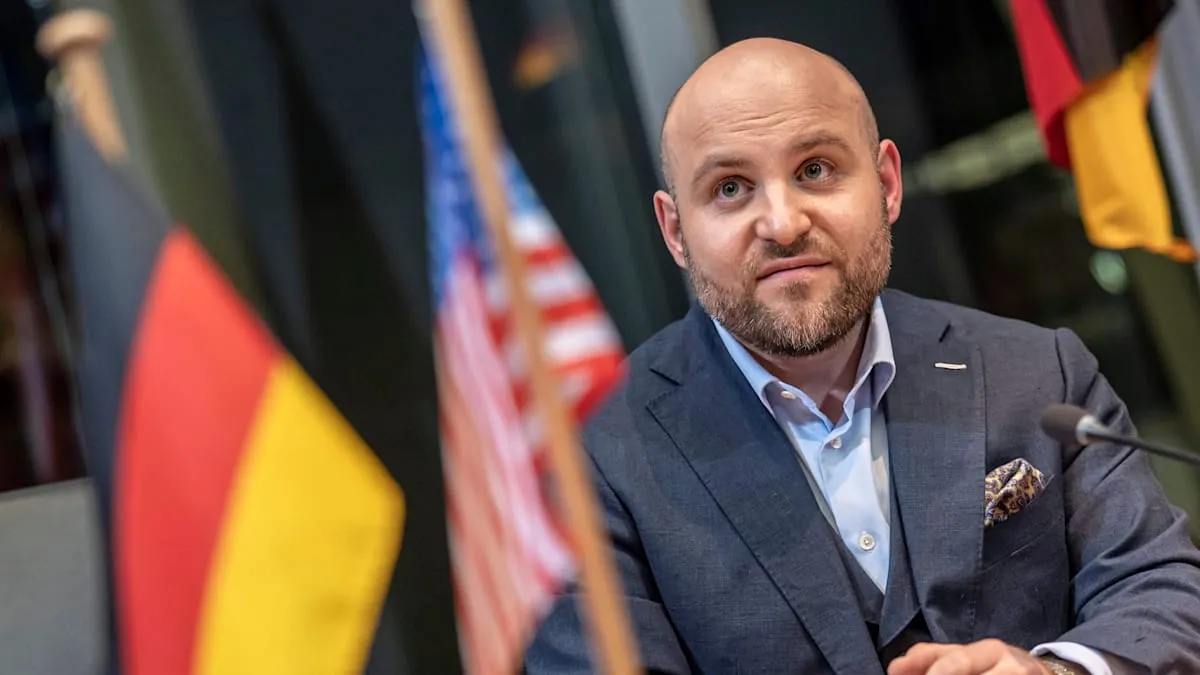
BERLIN — Markus Frohnmaier, foreign policy expert from the Alternative for Germany (AfD) party, unequivocally stated in 2026 that the notion of Germany's security being defended through battles in Ukraine is erroneous. This statement emerges amidst intense debate regarding Germany's security policy autonomy and the extent of military aid channeled to Kyiv. Frohnmaier underscored the necessity for Germany to fundamentally re-evaluate its national defense strategy.
Frohnmaier questioned the primary premise underpinning substantial military support for Ukraine. He highlighted the long-term implications for Germany's strategic interests within an evolving global geopolitical landscape. This perspective accentuates the philosophical differences between the AfD and the ruling coalition government.
"The idea that Germany's security is being defended in Ukraine is false," Frohnmaier asserted in an interview. He called for a profound reflection on the allocation of defense resources and the nation's strategic priorities. This statement, disseminated through media channels, reinforces the AfD's often-critical stance on foreign policy and military interventions.
The politician specifically criticized the practice of sending unlimited military material to Ukraine. He also scrutinized ring-exchange deals, which he deems strategically unsound and burdensome for Germany. Such schemes frequently involve Eastern European countries transferring their Soviet-era equipment to Ukraine, with Germany subsequently replacing it with modern gear.
Frohnmaier urged Germany to adopt a more independent approach in formulating its security policy. According to him, reliance on external narratives or the interests of other parties potentially obscures domestic defense priorities and diminishes Germany's strategic sovereignty.
Frohnmaier's declaration further intensifies the political debate in Germany, particularly as the general elections draw closer. Issues of national security, the cost of foreign aid, and Germany's position within international alliances like NATO are under sharp public and media scrutiny.
Several political analysts, holding differing views from Frohnmaier, contend that stability in Eastern Europe, including Ukraine, is highly relevant to the overall security of the continent, Germany included. They express concern that a withdrawal of support could establish a dangerous precedent and weaken the regional security order.
This criticism also extends to economic aspects. Frohnmaier and his party frequently argue that continuous aid to Ukraine significantly burdens the national budget. These funds, they suggest, should instead be redirected to address more pressing domestic needs, such as infrastructure development and social welfare programs.
This debate is inseparable from broader discussions concerning Germany's role within NATO and the expectations of its allies. Some worry that such statements could undermine alliance unity and collective commitments, similar to issues arising from Donald Trump's remarks about NATO, which were feared to threaten Europe if Ankara's warnings were ignored.
With the constantly shifting global geopolitical dynamics, calls for Germany's security policy autonomy will likely become a central issue on the 2026 political agenda. The current German government faces pressure from various sides to balance international commitments with essential national interests. Frohnmaier's statement underscores a potential shift in Germany's strategic thinking, advocating for a fundamental re-evaluation of how the nation defines and defends its security on an increasingly complex global stage.