 Demian Sahputra
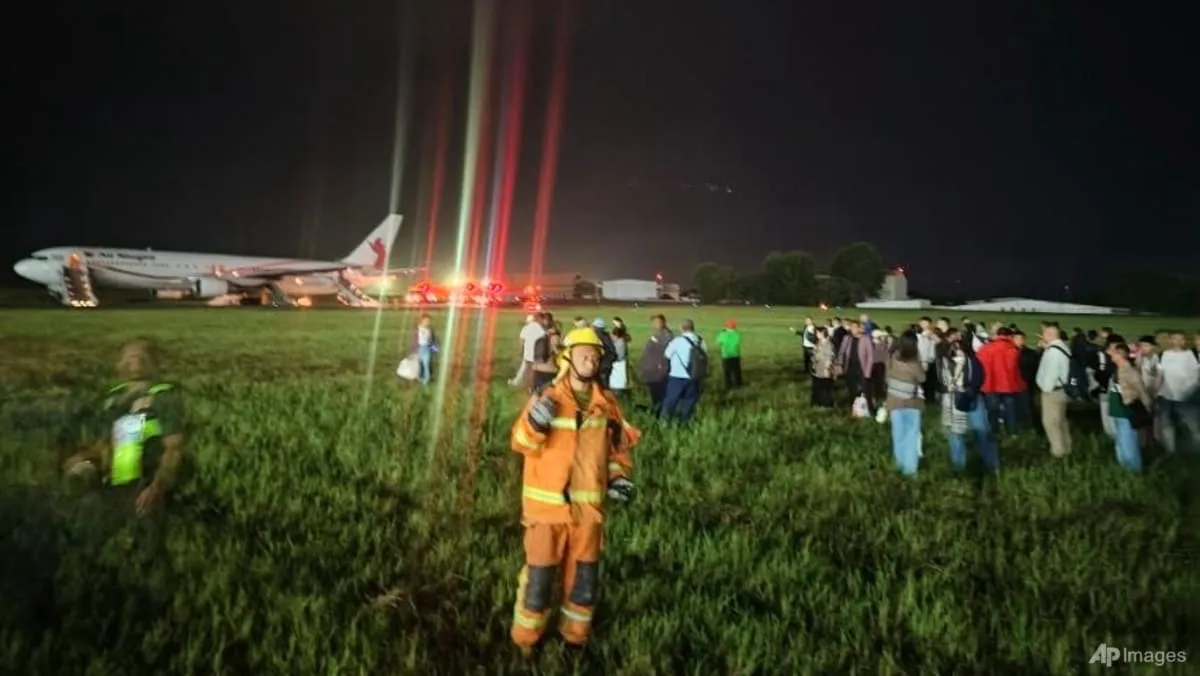
MANILA – An Air Niugini Boeing 767-383ER flight endured a harrowing moment when pilots detected potential sparks or fire in the right engine, forcing an emergency landing in the Philippines. All 146 passengers and crew were safely evacuated, bringing a tense aerial journey to a secure conclusion. This incident once again underscores the critical importance of stringent flight safety protocols and rapid crew response in emergent situations.
This precarious event unfolded while the PNG Air Niugini aircraft, which serves vital routes across the Pacific region, was airborne. The cockpit crew, comprising experienced pilots, promptly noticed indications of a serious anomaly via the aircraft's instrument panel. This early detection proved instrumental in determining the subsequent actions required to ensure the safety of everyone on board.
In response to the discovery, the pilots decisively made the crucial decision to perform an emergency landing. They immediately communicated with air traffic control in the Philippines, requesting immediate clearance and assistance. Effective coordination between the pilots and ground authorities was paramount in managing the urgent situation.
An unnamed international airport in the Philippines swiftly prepared for the unexpected arrival. Emergency teams, including firefighters and paramedics, were on high alert on the runway. The landing proceeded smoothly despite the urgent circumstances, demonstrating the high professionalism of the flight crew and the readiness of the ground teams.
Once the aircraft landed and came to a complete halt, evacuation procedures commenced immediately. Passengers, mostly shaken but relieved, were assisted in exiting the aircraft via emergency slides. Although the experience was undoubtedly traumatic, initial reports indicate no serious injuries were sustained by any of the 146 individuals on board.
The aircraft involved in this incident was a Boeing 767-383ER, a wide-body aircraft type frequently utilized for medium to long-haul flights. This model has a commendable safety record, and incidents of this nature are relatively rare, highlighting the unpredictable characteristic of technical failures in the air.
Local civil aviation authorities promptly initiated a comprehensive investigation to ascertain the definitive cause of the incident. The primary focus of the inquiry will include analyzing flight data, cockpit voice recordings, and a physical examination of the problematic right engine. Findings from this investigation are expected to help prevent similar occurrences in the future.
Although all passengers survived, incidents of this kind undeniably leave psychological impacts. The experience of facing potential danger mid-air can trigger anxiety and trauma. Air Niugini will likely provide support to the affected passengers and crew to assist them in recovering from this frightening experience.
This event serves as a stark reminder of the critical importance of rigorous aircraft maintenance and routine inspections. Airlines globally consistently invest in technology and procedures to ensure every aircraft component functions optimally, yet mechanical failures remain a risk that must be continuously anticipated.
Amid increasing global air traffic, aviation safety remains a paramount priority. Regulators and airlines collaborate to continually elevate security standards, from aircraft design to crew training. This incident will serve as an important case study in the ongoing efforts to keep the skies safe.
Editorial Insight: This Air Niugini incident vividly illustrates the paramount importance of swift and well-trained crew responses during emergencies. The early detection of engine trouble and the rapid decision for an emergency landing were critical factors in saving 146 lives. Moving forward, the investigation's findings will be crucial for reinforcing standard operational procedures and maintenance protocols, ensuring public trust in the aviation industry remains intact. It also highlights the vital role of regional airports in global emergency preparedness.