 Demian Sahputra
HONG KONG – Hong Kong's market regulator is intensifying its efforts to bring crypto asset custodians and investment advisors under a stringent licensing regime. This move, designed to strengthen investor protections and ensure market integrity, will formalize the operations of the rapidly growing digital asset industry. The associated bill underwent its first reading in the Legislative Council on December 2 of the previous year, marking Hong Kong's serious commitment to shaping the future of digital finance regulation.
The Securities and Futures Commission (SFC) of Hong Kong is at the forefront of this initiative. The regulator asserts that the new proposals will significantly enhance protection for investors participating in the digital asset ecosystem. This represents a proactive response to the volatility and risks often associated with the global crypto market.
For years, Hong Kong has been recognized as one of the leading global financial centers. This position encourages the government not only to embrace financial innovation but also to ensure that such innovation operates within a robust and responsible regulatory framework. Strict oversight is expected to foster greater trust among institutional and retail investors.
The bill currently under discussion specifically targets entities that provide crypto asset custody services and those offering investment advice related to digital assets. Every such entity will be required to obtain a license from the SFC, ensuring they meet established operational, risk management, and governance standards.
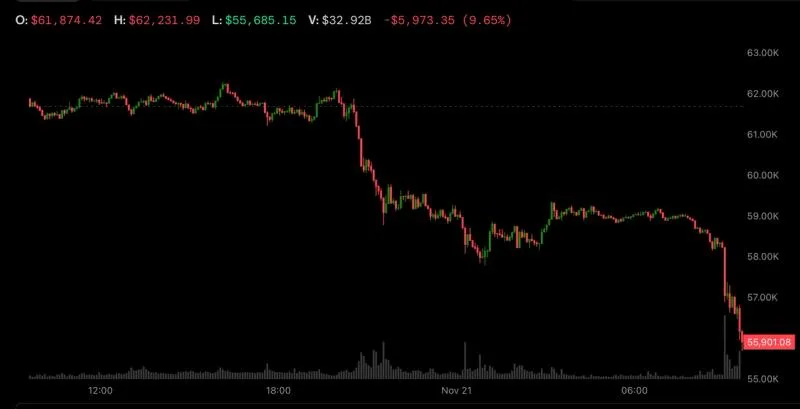
Industry analysts view this step as Hong Kong's attempt to position itself as a regulated and trustworthy crypto hub. Amid global crypto market turmoil, as seen during Bitcoin's significant drops in previous years, the need for clear regulation becomes increasingly urgent to prevent massive losses and fraudulent practices.
The implementation of licensing aims not only to curb illegal activities but also to provide legal clarity for compliant industry players. With a defined framework, innovative companies can thrive without concerns about regulatory uncertainty, while building a more stable foundation for the long-term growth of the digital asset sector.
Despite aiming for strict oversight, the Hong Kong government is also determined not to stifle innovation. The balance between robust regulation and the encouragement of innovation is key to this strategy. The goal is to create a secure yet dynamic ecosystem, capable of attracting the best investment and talent in financial technology.
The bill's reading in early December of the previous year is expected to be a milestone. Following the legislative process, the new rules will be implemented gradually, allowing market participants time to adapt to the new requirements. This reflects a pragmatic approach that prioritizes a smooth transition.
Hong Kong's move aligns with a global trend where more jurisdictions are formulating or tightening their digital asset regulations. From Europe to the United States, governments and supervisory bodies are striving to create a safer environment for investors and a more stable market for cryptocurrencies. This policy affirms Hong Kong's position as a pioneer in developing a comprehensive crypto regulatory framework.
Hong Kong authorities hope this regulation will help differentiate legitimate market players from risky entities, while offering certainty for investors. Thus, trust in the digital asset market can increase, potentially attracting larger capital and accelerating the adoption of blockchain technology across various economic sectors. To understand more about similar regulations, readers can refer to the article Hong Kong Tightens Crypto Regulations: Brokers and Advisers Mandated to Be Licensed! which discusses licensing aspects in depth.
Editorial Insight: Hong Kong's crypto regulation efforts indicate a paradigm shift from a 'laissez-faire' approach towards more structured oversight. This is a crucial step to ensure the sustainability and legitimacy of the digital asset market. While there may be initial friction for unprepared industry players, in the long term, it will position Hong Kong as a leader in responsible digital finance, attracting high-quality investment, and protecting the public from unnecessary risks. Successful implementation will be an important benchmark for other jurisdictions still grappling with crypto regulation challenges.