 Demian Sahputra
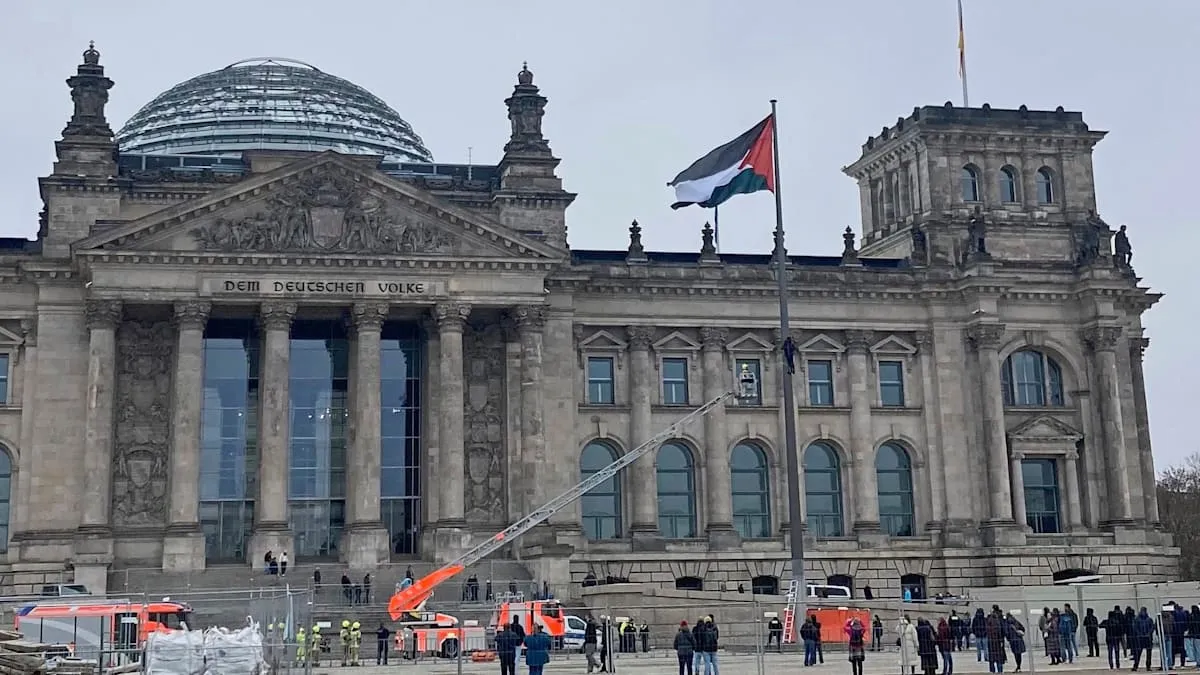
BERLIN – The Head of the German Police Union, Heiko Teggatz, has called for stricter legal enforcement, including prison sentences, for individuals involved in the 'flag action' at the Reichstag building in Berlin. This emphatic demand comes after a controversial incident he described as demeaning to national symbols, asserting that financial fines are no longer sufficient to deter such acts, and highlighting the need for increased personnel and an exclusion zone around the parliament.
Teggatz's statement, delivered to national media, underscored deep disappointment with the legal response to similar actions in the past. Imprisonment is the only language such offenders understand, he declared firmly, urging authorities to no longer underestimate violations against national sovereignty and honor.
The 'flag action' in question occurred recently, drawing public attention and sparking intense debate about the boundaries of freedom of expression and respect for state institutions. While specific details of the action were not elaborated, incidents in sensitive areas like the Reichstag consistently attract scrutiny.
The Reichstag building, as a symbol of German democracy and history, often becomes a target for protests. However, incidents that attack symbols of sovereignty are considered to cross the line of tolerance, especially by law enforcement officials. Teggatz emphasized that the protection of historical buildings and state institutions must be a priority.
The police union asserted that monetary fines, previously applied, have proven ineffective in preventing repeat offenses. They argue that perpetrators often view fines as a cheap 'cost of risk,' thereby failing to provide a significant deterrent effect.
Furthermore, Teggatz demanded an increase in the number of personnel for the Berlin police force. The German capital, with its status as a political and cultural hub, requires adequate security resources to handle various forms of threats and public order disturbances.
The request to establish a bannmeile or permanent exclusion zone around the Reichstag is also a crucial point. This concept aims to create a sterile area around vital government buildings, restricting access and the potential for direct interference from potentially escalating demonstrations.
The establishment of exclusion zones is not new in many countries with strategic government buildings. Their purpose is to maintain order, security, and ensure the smooth functioning of state activities without unnecessary interruptions.
These demands from the police are likely to spark debate among politicians and the public regarding the balance between security and civil rights, including freedom of assembly and expression. Both the federal government and the state of Berlin will face pressure to respond to these calls.
The credibility of law enforcement and the protection of national symbols are at stake. How the German government addresses these demands from the police union will reflect its commitment to national security and the integrity of democratic institutions.
Incidents involving national symbols in Germany are indeed not a new phenomenon. In recent years, this issue has frequently arisen in public discussions, demonstrating the ongoing challenges in balancing freedom and order.
Editorial Insight:
The strong demands from the German Police Union following the 'flag action' at the Reichstag indicate a potential paradigm shift in law enforcement's approach to offenses perceived as undermining national sovereignty. The focus on prison sentences rather than fines reflects the frustration of authorities with the lack of deterrent effect. Should these demands be met, we could witness a significant strengthening of security around vital institutions and potentially tighter restrictions on protests in these areas, which might raise new questions about the limits of participatory democracy.