 Edward DP Situmorang
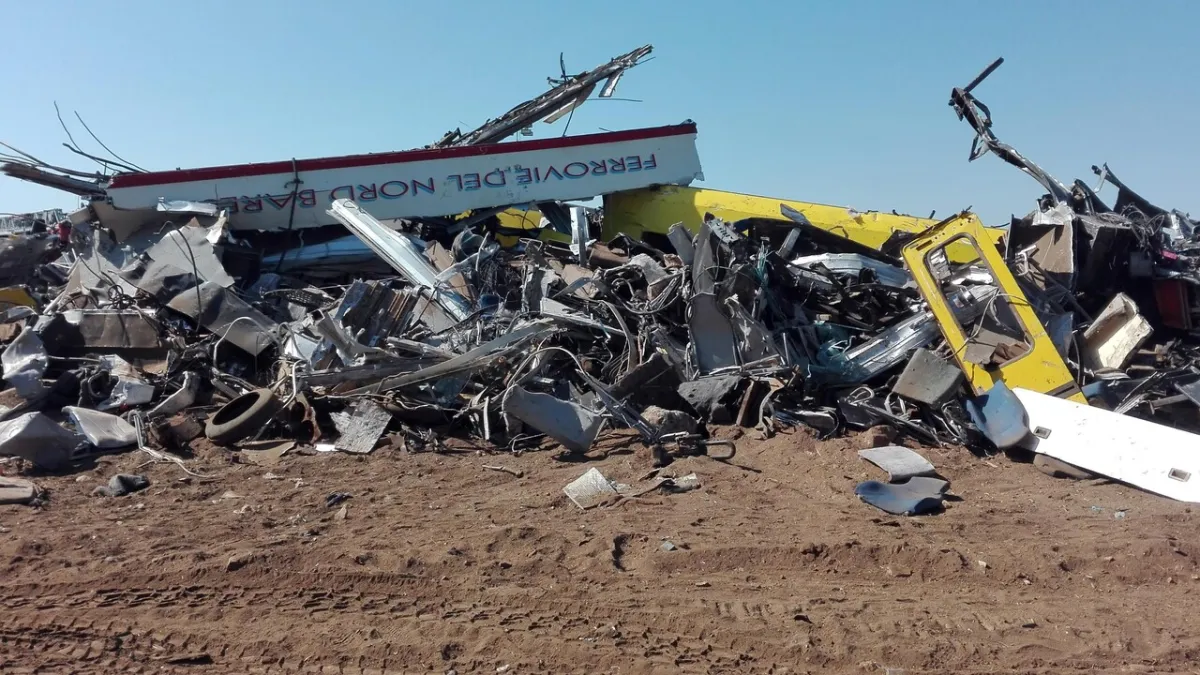
ANDRIA — Ten years after the railway tragedy that shook Italy, President Sergio Mattarella arrived in Puglia today, Friday, July 12, 2026, to lead a commemorative ceremony for the tragic head-on collision between two commuter trains near Andria and Corato, which claimed 23 lives and injured dozens in 2016. The head of state's presence marks a decade of national mourning and reaffirms a commitment to justice and improved transport safety.
The somber event occurred in the morning, when two passenger trains operating on the single Foggia-Bari line, managed by Ferrotramviaria, collided head-on. The single track and manual communication system are believed to be crucial factors in the catastrophe that left deep scars on the victims' families and Italian society. Extensive investigations have been conducted to uncover the root causes and establish responsibility.
In a speech filled with solemnity and empathy, President Mattarella called for deep reflection on the meaning of loss. "Ten years is not a short time to erase the memory of grief, but it serves as an eternal reminder of the importance of our collective responsibility. We owe it to the victims and their families to ensure that a similar tragedy never happens again," stated the President, met with sorrowful nods from the attendees.
For the victims' families, this commemoration is not merely ceremonial but a tangible reminder of the void left behind. Many among them continue to seek full clarity and complete justice, after years navigating complex legal processes. Tears and flowers were laid at the accident site, symbolizing an enduring grief.
Legal proceedings related to the Andria-Corato accident continue, although some initial rulings have been made. Public scrutiny remains focused on law enforcement efforts to ensure all parties responsible for systemic failures and procedural negligence receive due consequences. The hope for justice remains a primary driver for the victims' families.
This tragedy triggered strong calls for the modernization of Italy's railway infrastructure, particularly regional lines that still utilize outdated systems. The government and transport operators pledged to accelerate digitalization and the implementation of automatic signaling systems to prevent human error. However, implementation requires significant time and investment.
Despite progress, concerns about transport safety remain a pressing issue. Many stakeholders highlight the need for stricter safety audits and regular oversight, especially on rural railway networks which are often overlooked.
The communities of Andria and Corato continue to show strong solidarity. The incident has forged stronger bonds among residents, who regularly organize events to remember those who perished. This bitter memory has become an inseparable part of the cities' identities.
The Andria-Corato accident also served as a national reminder of the fragility of vital systems and the fatal consequences of negligence. It prompted the government to more seriously review safety standards across various sectors, not just railways.
Concluding his visit, President Mattarella emphasized that the memory of this tragedy must serve as a foundation for a safer future. "We must not forget. We must learn. And most importantly, we must act. This is our promise to those who are no longer with us and to future generations," he affirmed, ending the ceremony with renewed hope.
The decade-long commemoration of the 2016 Andria-Corato train accident is not merely an act of remembrance but also a moment to renew the Italian nation's commitment to life, safety, and justice. Time may heal wounds, but the scars will always remain as an enduring reminder.