 Chris Robert
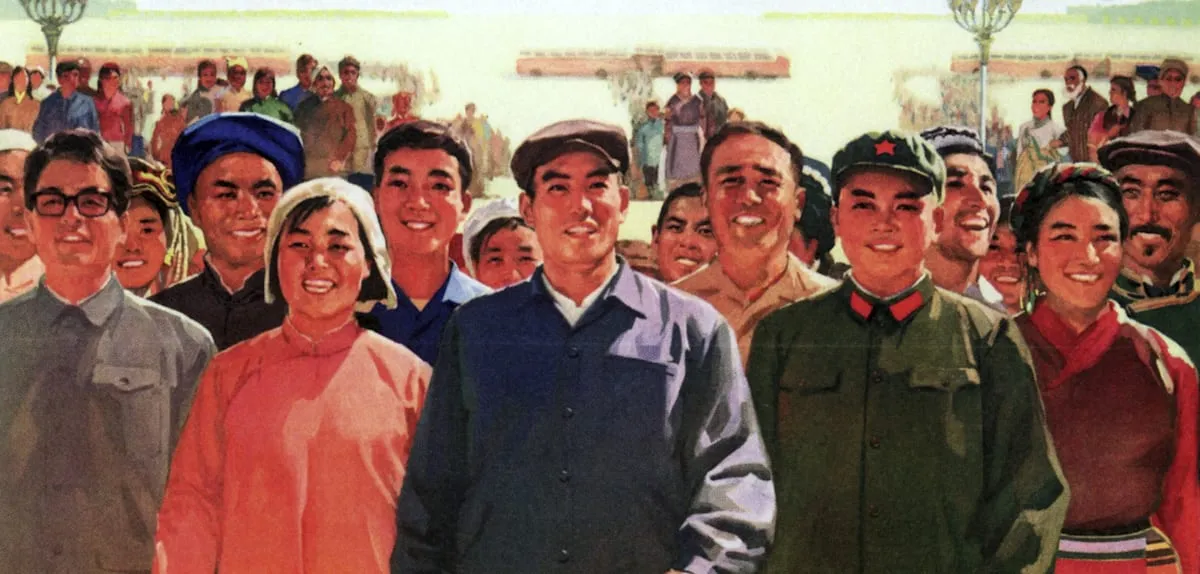
BEIJING — A dark chapter in modern Chinese history re-emerges, revealing the horrors of the Cultural Revolution launched by the leader of the Chinese Communist Party, Mao Zedong, in the summer of 1966. At that time, a teacher became a victim of unimaginable savagery, brutally killed by her own students using nail-studded sticks.
This tragic event was not an isolated incident, but rather marked the beginning of a decade-long era of mass terror. Millions of lives were lost, victims of a political purge campaign orchestrated by Mao Zedong to secure his power and eliminate his political rivals.
The Great Proletarian Cultural Revolution, as it was officially known, officially began in August 1966. However, waves of violence and indoctrination had escalated since the summer of the same year, with militant youths, later known as the Red Guards, becoming the spearhead of the terror.
Mao Zedong openly called on the youth to “rebel against authority.” This message was interpreted as a legitimization to attack anyone deemed "bourgeois" or "counter-revolutionary", including teachers, intellectuals, party officials, and those labeled "capitalists".
The destruction of traditional hierarchies and old values became the primary goal. Schools were closed, universities ceased operations, and educators, who should have been respected, instead became prime targets of politically manipulated anger.
The case of a teacher murdered by her students with makeshift weapons like nail-studded sticks is an extreme manifestation of social chaos. Such incidents illustrate the fragility of social order when extreme ideologies are used to divide and incite violence among citizens.
At the peak of the Cultural Revolution, almost every social institution in China was shaken. Millions were imprisoned, tortured, executed, or exiled to the countryside for “re-education.” Estimates of the death toll vary, but run into the millions, making it one of the largest humanitarian disasters of the 20th century.
The era from 1966 to 1976 silently witnessed how political paranoia could destroy humanity and tear apart social cohesion. Families were torn apart, friendships shattered, and trust among people vanished, replaced by suspicion and fear of false accusations.
Modern historians and international observers continue to examine the long-term implications of the Cultural Revolution. They highlight how these events shaped contemporary China and the importance of reflecting on the dangers of ideological extremism that can trigger mass brutality.
To understand this dark episode more deeply, readers can explore our comprehensive report titled Mao's Terror: China's Cultural Revolution Crushed Millions, 1966-1976. The article further examines the mechanisms of terror and its comprehensive impact.
The Chinese government itself, through the Communist Party, later officially condemned the Cultural Revolution in 1981, calling it a “serious mistake” committed by Mao Zedong. However, the historical wounds and its bitter lessons remain an indelible reminder for future generations.
These tragic events in the summer of 1966 are not merely statistics but real stories of moral and ethical destruction. The story of a teacher killed by her own students is a dark metaphor for a nation plunged into ideological darkness.
This narrative continues to be a global reminder of the importance of protecting freedom of thought, upholding tolerance, and safeguarding educational institutions from excessive and deadly political intervention. Revisiting this past is fundamental to building a more humane future.