 Dodi Irawan
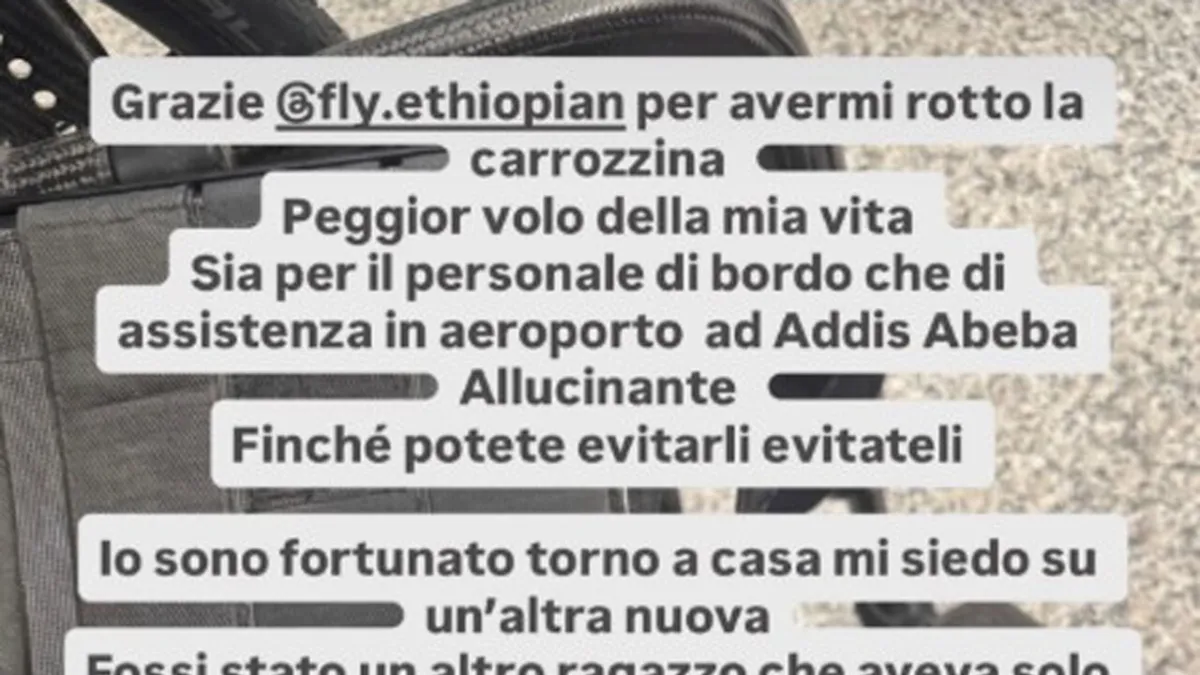
ROME – Italian Paralympic athlete Manuel Bortuzzo expressed his profound anger after his electric wheelchair was completely destroyed following an airline flight. This incident, which he described as 'the worst flight of my life,' triggered sharp criticism from Bortuzzo and the wider public regarding the aviation industry's treatment of passengers with disabilities and the inadequate standards for handling their vital equipment.
Bortuzzo, a swimmer paralyzed due to a shooting incident in 2019, shared his testimony via social media, including images of the severely damaged and unusable wheelchair. 'Wheelchairs are our legs, our freedom,' he stated, emphasizing the crucial role such aids play in his independence.
The damage not only drastically impeded his mobility but also forced him to rely entirely on others for daily assistance. This serves as a stark reminder of how easily independence can be snatched away due to negligent handling.
Through his post, Bortuzzo questioned the standard procedures for handling special baggage, particularly medical equipment and mobility aids. He firmly labeled the incident as a reflection of the airline's 'lack of sensitivity and professionalism.'
A wave of public support and outrage immediately flooded social media. Many netizens shared similar experiences, demanding accountability from airlines and better systemic improvements. This incident reignited a long-standing debate about the rights of passengers with disabilities.
The rights of passengers with disabilities on international flights are often overlooked. Although various regulations have been established, including the Montreal Convention governing airline liability, their implementation on the ground remains far from ideal, leading to complexities in the claims process.
'What if this happened to someone else who only had one wheelchair, without financial or public support like me?' Bortuzzo asked. This rhetorical question highlights the devastating impact such incidents can have on more vulnerable individuals.
Manuel Bortuzzo's case is not an isolated event. Numerous similar incidents are reported annually worldwide, indicating a systemic problem within the global aviation industry regarding the handling of mobility aids. Disability organizations have long urged for a comprehensive audit of airline practices.
Demands for changes in baggage handling procedures and enhanced training for airline personnel to better understand the specific needs of passengers with disabilities are growing stronger. Airlines are expected to invest in safer baggage handling technologies and provide suitable replacement solutions instantly in case of damage.
Ironically, while society demands accountability and justice in upholding rights, on the other hand, we also see how large institutions often fail in terms of transparency and integrity. For instance, on a different scale, issues regarding integrity and grievance handling also emerge within global football federations, as highlighted in the news Kritikus Infantino Digusur dari FIFA, Tuduhan Pengkhianatan Mencuat. This demonstrates that structural problems within institutions can have broad implications.
Editorial Insight:
The incident involving Manuel Bortuzzo must serve as a crucial moment for the aviation industry to reflect on and improve its services. Wheelchairs for people with disabilities are not merely luggage; they are an extension of their bodies and the essence of their independence. Negligence in handling them not only causes material damage but also emotional and psychological distress. Governments and aviation authorities need to be more proactive in enforcing regulations and imposing strict penalties on negligent airlines, to ensure equality and comfort for all passengers. Without significant improvements, public trust, especially from the disability community, will continue to erode, harming the industry itself in the long run.