 Angela Stefani
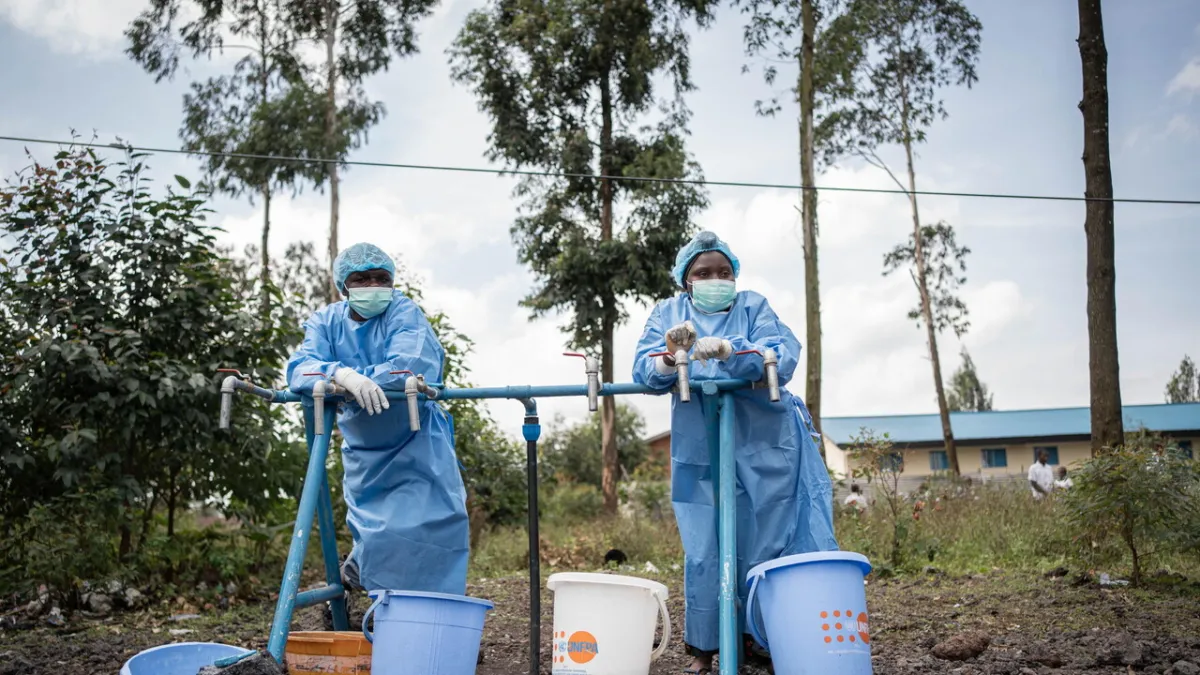
CANBERRA – A significant medical innovation has emerged from Australia with the development of an antiviral drug showing immense potential in curbing the onset of the Ebola virus. This drug is now on the verge of widespread approval, offering new hope to severely impacted regions like the Democratic Republic of Congo and Uganda, which previously reported at least 1,561 cases.
This revolutionary discovery, having undergone a series of rigorous clinical trials, marks a crucial step forward in mitigating one of the world's most fatal diseases. Scientists behind this research are optimistic that the drug will soon be available for mass distribution, transforming the paradigm of Ebola outbreak management.
Ebola outbreaks have historically plagued the African continent, causing thousands of deaths and crippling healthcare systems. Data indicates that in the Democratic Republic of Congo and Uganda, over 1,500 individuals have been confirmed infected, spurring a global urgency for effective and rapid solutions.
Professor Anya Sharma, a leading virologist from the Australian National University, expressed optimism regarding the drug's efficacy. "We have seen extremely promising results in the trial phase. This drug is designed to specifically target viral replication, providing unprecedented early defense," she stated during a virtual press conference in early 2026.
Broader approval for the use of this antiviral drug is anticipated from the World Health Organization (WHO) and major pharmaceutical regulatory bodies. The evaluation process is being expedited given the persistent threat of the Ebola virus and its humanitarian toll.
The drug works through a mechanism that inhibits the virus's ability to multiply within host cells, reducing the viral load and allowing the patient's immune system an opportunity to fight the infection. Its primary advantage is its potential use as post-exposure prophylaxis, in addition to being a therapeutic treatment.
The development of this drug is the result of intensive collaboration among Australian research institutions, international health organizations, and the governments of the most vulnerable African nations. This partnership ensures that the developed drug aligns with local needs and contexts.
Dr. David Kim, WHO's Emergency Program Director for Africa, welcomed the news. "The presence of an effective antiviral drug before an outbreak escalates is our dream. This will be a game-changer in the global fight against Ebola," he remarked, emphasizing the importance of fair and equitable access.
Distributing this drug will present a major logistical challenge. The Australian government is reportedly exploring cooperation with humanitarian agencies and global pharmaceutical companies to ensure adequate supply and delivery to remote areas in the Democratic Republic of Congo and Uganda.
The drug's effectiveness in suppressing Ebola incidence will be closely monitored post-approval. The hope is that with early intervention, the number of cases can be drastically reduced, lowering mortality rates and preventing further spread to bordering regions.
The history of previous Ebola outbreaks demonstrates that rapid response and reliable medications are key to controlling crises. With this breakthrough, the global community now possesses a more robust tool to confront evolving public health threats.
The Ugandan government, through its Ministry of Health, has expressed full readiness to implement new vaccination and antiviral drug distribution programs once available. "We are prepared to make every effort to protect our people from the threat of Ebola," a ministry spokesperson stated in mid-2026.
This initiative also underscores the crucial role of research and development in addressing global health crises. Continuous investment in medical science and technology is a key determinant in building global resilience against future pandemics.