 Debby Wijaya
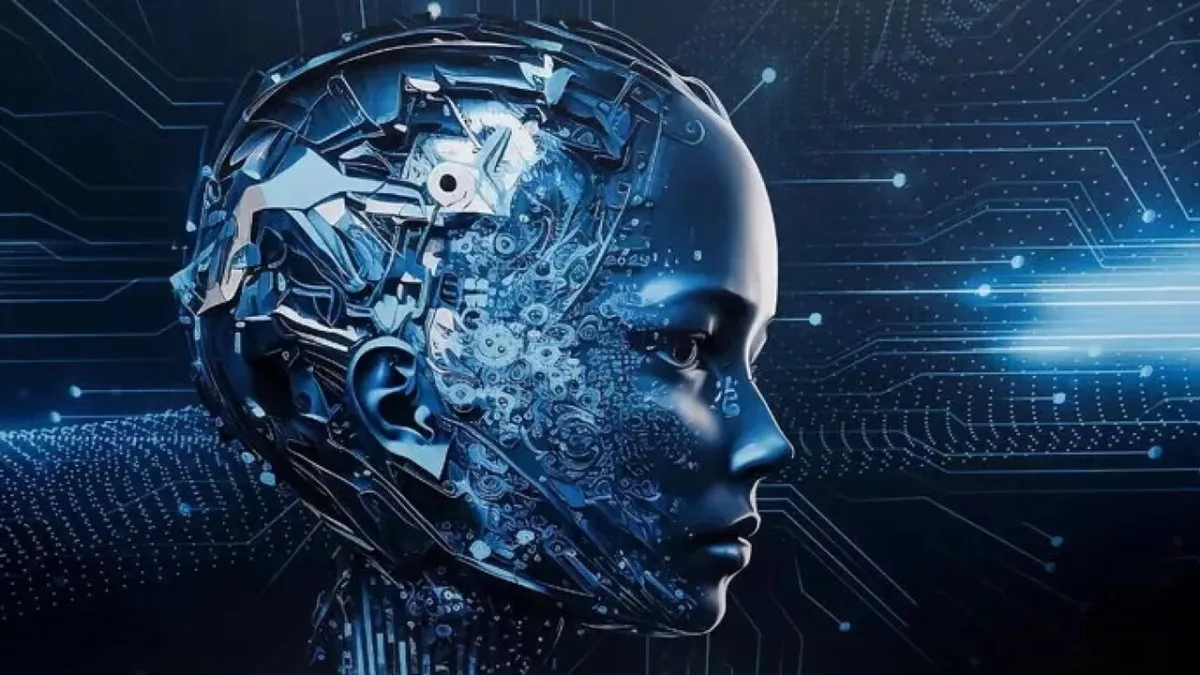
ROME – The deepfake audio threat has reached alarming levels in 2026, enabling anyone to manipulate voices with just three seconds of authentic audio samples and a cost of approximately 30 euros. This phenomenon triggers serious concerns about information integrity, personal security, and global political stability, prompting leaders like Italian Prime Minister Giorgia Meloni to take protective measures.
The artificial intelligence (AI) technology underlying deepfake audio is becoming increasingly sophisticated and user-friendly. Various software programs are now available on black markets and hidden platforms, allowing individuals without deep technical expertise to create highly convincing voice clones. This ease of access is a double-edged sword, opening doors for creativity but also posing a massive disinformation threat.
The remarkably low cost, around 30 euros, makes the barrier to entry almost nonexistent. With minimal investment, one can clone the voice of public figures, company executives, or even family members, for various malicious purposes, ranging from smear campaigns to extortion scams.
To date, reports from the European Union indicate a drastic increase in voice manipulation cases. This concern is real; even Italian Prime Minister Giorgia Meloni has proactively registered the unique characteristics of her voice with the European Union trademark office. This action aims to secure her personal vocal identity and establish a legal basis in case of misuse of Meloni's voice through deepfake technology.
Registering a voice as a trademark is becoming a new defensive strategy for public figures against the wave of deepfake attacks. Meloni's move indicates the urgency of legal recognition for vocal identity as a personal asset that needs protection, similar to copyrights or general trademarks. It also highlights the lack of a comprehensive legal framework to address AI-based cybercrimes.
One of the main objectives of deepfake audio manipulation is for political gain. The dissemination of false narratives, unsaid threats, or controversial statements made by voice clones can undermine public trust, divide opinions, and even influence election outcomes. The scale of its impact has the potential to reshape the democratic landscape in various countries.
Beyond politics, deepfake audio is also a powerful tool in financial fraud. Cybercriminals use voice cloning to impersonate bank managers, company directors, or family members requesting emergency money transfers, confidential information, or access to private accounts. The financial losses incurred amount to billions of euros annually worldwide.
The inability of ordinary people to distinguish between real and deepfake voices creates a significant vulnerability. This leads to a deep crisis of trust in circulating information, demanding multi-layered verification for any suspicious voice communication, especially in the context of news or important statements.
In a global context, discussions about AI and deepfake technology regulation are intensifying. Various countries and international organizations, including the European Union, are drafting legislation to combat AI misuse, including mandatory labeling of AI-generated content and law enforcement for voice manipulators. The challenge lies in the speed of technological development far outpacing legislative processes.
Regulation and public awareness are key to mitigating this threat. Social media platforms and digital service providers are also expected to play an active role in identifying and removing harmful deepfake content. Collaboration between governments, the private sector, and civil society is needed to build a safer and more verified digital ecosystem. This issue is similar to the debate in the academic world regarding evaluation in the AI era.
The efforts of the Italian government and Meloni to register voices are crucial first steps. However, a comprehensive response requires a multi-sectoral strategy, including investment in deepfake detection technology, digital literacy education for the public, and strict law enforcement against cybercriminals. The establishment of a new AI Tsar by Donald Trumps administration shows the seriousness of this issue globally.
Editorial Insight: The proliferation of deepfake audio with low cost and high accessibility poses a dangerous threat to the global information order and democracy. Giorgia Meloni's action to register her voice is a clear indicator of how vulnerable digital identity is in the AI era. Without strong regulations, adequate detection technology, and widespread digital literacy, society will continue to be adrift in a sea of disinformation, eroding trust in institutions and factual truth. This demands a coordinated and swift global response, not just reactive, but proactive in shaping the future of digital interaction.