 Chandra Wijayanto
BERLIN — Berlin's Governing Mayor, Kai Wegner, is under intense scrutiny and escalating political pressure following a series of controversial statements regarding his handling of a massive power outage crisis last January. Accusations of having crossed the line into "open lies" are now echoing, fueling widespread speculation about his potential resignation from the highest office in the German capital.
Public discontent and sharp criticism from various sectors are eroding Wegner's political stability. His management of the power outage incident, which paralyzed large parts of the city for several hours in January 2026, has become the primary focus of this unrest.
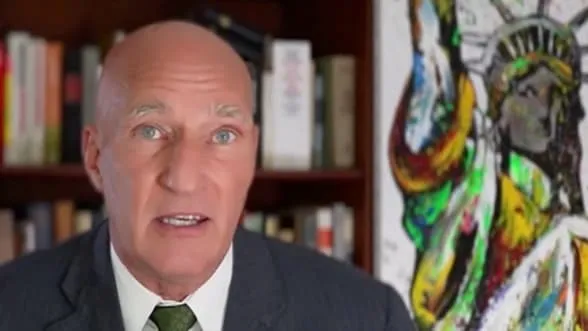
Christoph Lemmer, a prominent author and political observer, frankly expressed his concern. "I think he will resign," Lemmer stated, underscoring the gravity of the situation and the common perception among political analysts.
Wegner's controversial statements, which triggered this storm of criticism, are closely related to the city government's justification and response to the crisis. The public demands transparency and accountability, but the responses from Berlin City Hall are deemed unsatisfactory.
Berlin residents directly experienced the impact of the power outage, which not only disrupted daily activities but also caused significant economic losses. This incident inevitably sparked a fierce debate about the city's infrastructure preparedness.
Pressure on Kai Wegner, who belongs to the Christian Democratic Union (CDU) party, is mounting. Statements deemed dishonest or misleading in a crisis situation will always carry heavy political consequences. Previously, the party also faced scrutiny regarding criticism of the 'fascist with a press pass' pretext in attacks on journalists, indicating complex internal dynamics within the CDU. For more information on these dynamics, see CDU Politician Criticizes 'Fascist with Press Pass' Pretext in Journalist Attack.
Various opposition factions in the Berlin State Parliament are seizing the opportunity to demand further explanations and even a vote of no confidence. They view this as evidence of weakness in the leadership and crisis management of the coalition government.
Wegner's coalition parties, the CDU and SPD, now face a significant dilemma. They must decide whether to continue defending their leader amid the storm of criticism or take drastic steps to maintain public trust.
Speculation about Wegner's potential successors has begun circulating in Berlin's political circles. New names are appearing on the list of potential city leaders, indicating a high level of uncertainty in the capital's political landscape.
This situation also has the potential to affect Germany's overall political image. As the capital, the stability of Berlin's leadership often serves as a barometer for national political conditions.
A valuable lesson from this crisis is the importance of clear, honest, and empathetic communication during emergency situations. Failure in this aspect can erode public trust that has been painstakingly built.
The resignation of a mayor in a city as large as Berlin would be a rare and impactful political event. This is not merely a change of office but a deep indication of dissatisfaction with the city's governance.
The January 2026 power outage incident and the controversial responses that followed will continue to be a hot topic in Berlin's political debate. The public awaits concrete actions to ensure that similar incidents do not recur in the future.
What is the official response from Berlin City Hall to the accusations of "open lies" and calls for resignation? As of this report, no substantial official statement has addressed the wave of criticism.
Observers predict that the coming days will be crucial for Kai Wegner's political future. Every new step or statement will be closely monitored by the media and the public.
This crisis demonstrates how quickly political reputations can be eroded if integrity and public trust are questioned. It serves as a warning to every leader entrusted with the people's mandate.