 Chandra Wijayanto
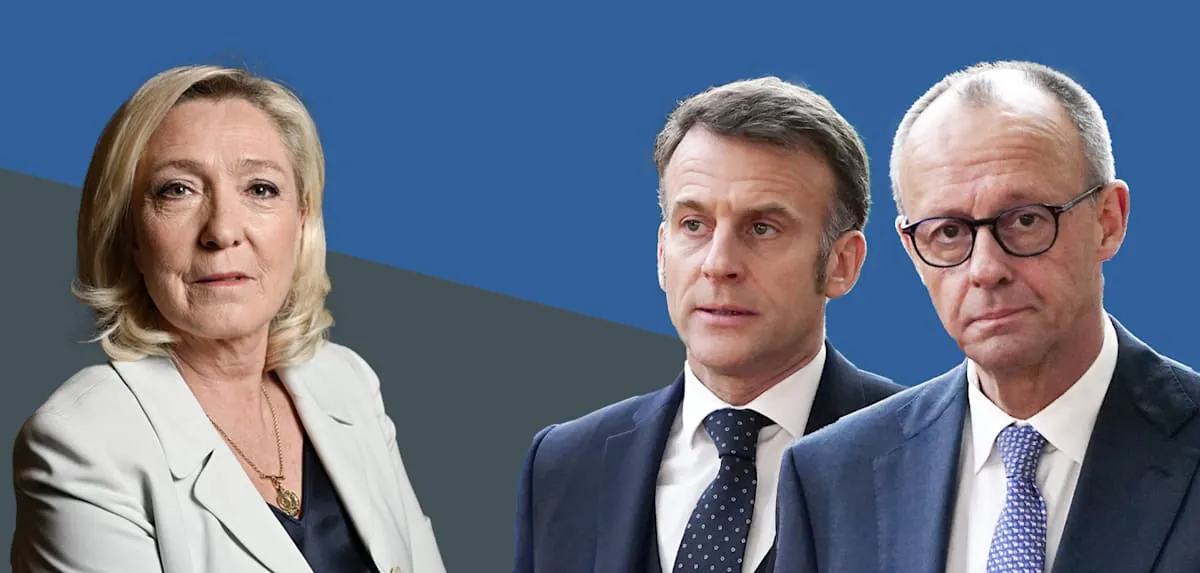
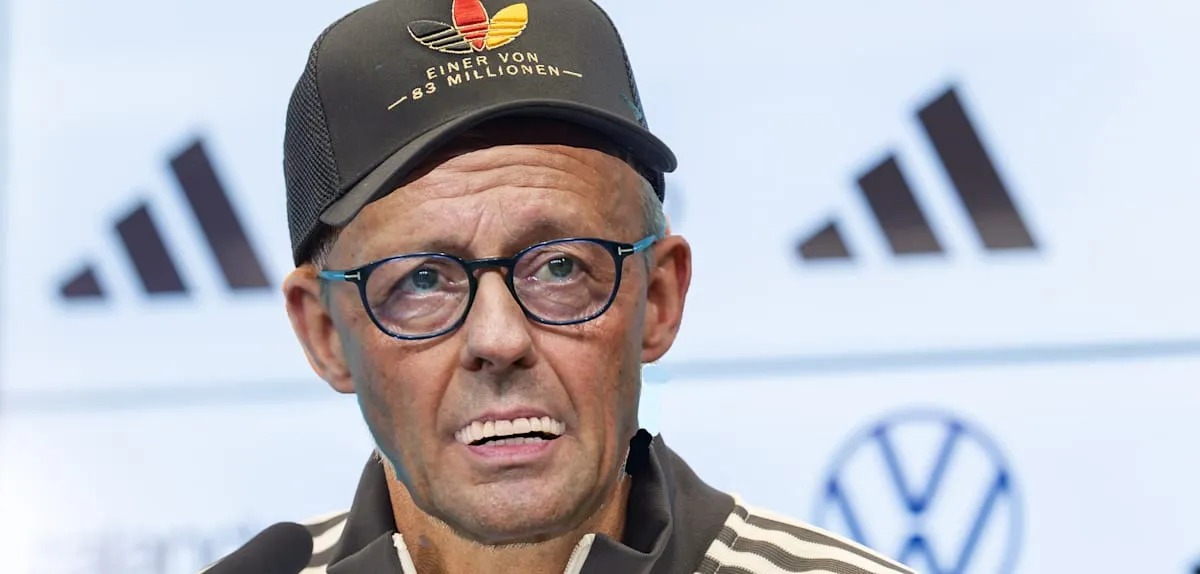
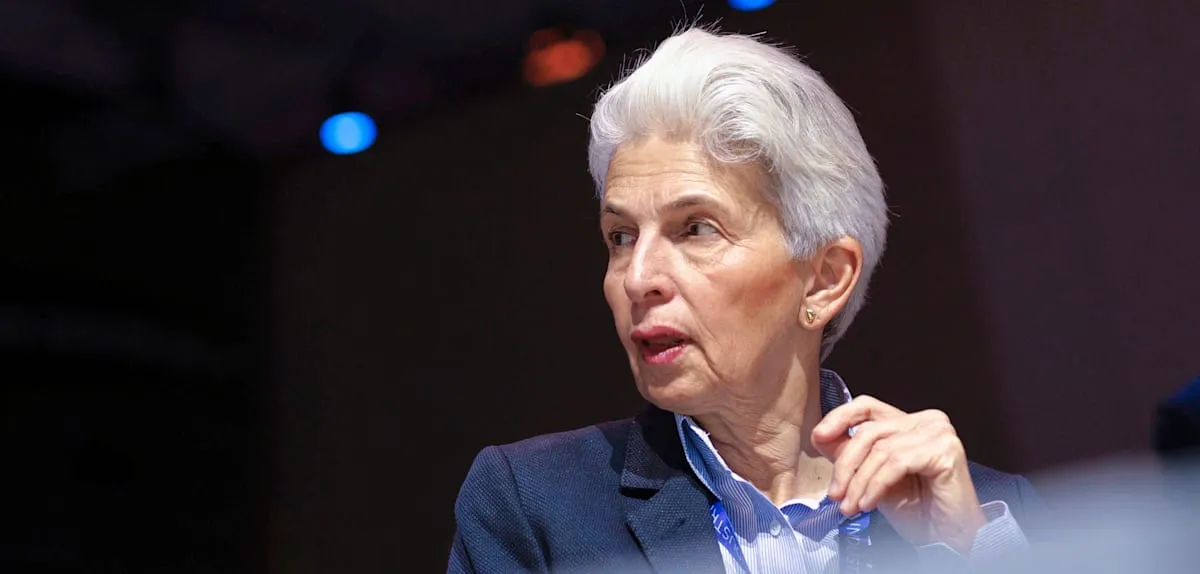
BERLIN — Germany and France are crafting an anticipatory strategy in the face of a potential victory by Marine Le Pen, the far-right populist figure, in the French presidential election scheduled for spring 2027. Deep concerns regarding the future of the Berlin-Paris bilateral relationship and the overall stability of the European Union have prompted Christian Democratic Union (CDU) leader Friedrich Merz and President Emmanuel Macron to take preventive measures to mitigate significant impacts.
The scenario of Le Pen assuming power at the Élysée Palace has long been a specter for mainstream European leaders. With a policy platform advocating nationalism, protectionism, and skepticism towards the European Union, a victory for the Rassemblement National is seen as potentially shaking the foundations of decades-long European cooperation.
The German-French relationship, often dubbed the “engine” driving the European Union, is a vital pillar for the bloc's cohesion. This partnership encompasses a broad spectrum, from economy and defense to foreign policy, making it a key element in addressing various global and regional crises. Therefore, the potential weakening of this bond is a primary concern.
Diplomatic sources in Berlin indicate that Merz, despite serving as the opposition leader in Germany, is actively involved in high-level informal dialogues with the French side. These discussions cover various contingency plans, including schemes to maintain strong bilateral communication channels and mitigate potentially conflicting policies post-French election.
"European stability is not merely the responsibility of governments, but also a commitment across parties and across nations," stated a senior CDU official who preferred to remain anonymous. "We must ensure that, whatever the election outcome, the fundamental partnership between Germany and France remains intact for the sake of the continent."
From Paris's perspective, Macron's inner circle is also intensively analyzing various possibilities. Presidential advisors are reportedly preparing a range of options, from more aggressive public diplomacy to highlight the benefits of European integration, to building informal coalitions with other EU member states that share similar concerns.
The economic repercussions of such political upheaval cannot be ignored. Economists fear that uncertainty in one of Europe's largest economies could trigger market volatility, hinder investment, and slow growth, especially in sectors highly dependent on the EU's single market integration.
The response from other EU member states is also under scrutiny. Several European capitals have reportedly expressed their private concerns to Berlin and Paris, urging both countries to continue leading efforts to maintain the unity and strategic direction of the European Union, irrespective of France's internal political dynamics.
History records that after World War II, Germany and France worked hand-in-hand to build reconciliation, which later became the foundation for the European Coal and Steel Community, the embryo of the European Union. This historical partnership has weathered various crises and upheavals, affirming its central role in the continent's political architecture.
Merz and Macron face a complex challenge. They must balance respecting France's democratic process with safeguarding the long-term interests of the European Union. An overly interventionist approach could backfire, while passivity risks fragmentation.
The potential implications for the EU's foreign policy are also significant. If France under Le Pen adopts a more unilateralist stance, it could weaken the EU's capacity to act collectively on the global stage, especially on crucial issues such as the Ukrainian conflict or relations with China.
"The scenario of a Le Pen victory forces Europe to re-evaluate its essence and future," Political analyst Professor Klaus Schmidt of the University of Bonn observed. "Merz and Macron's preventive steps demonstrate an awareness of the urgency, but success will heavily depend on the adaptability and political will of all parties involved."
Merz's role in this situation highlights the dynamic nuances of German politics. As an opposition leader, his involvement in vital cross-border state affairs underscores a broader consensus in Germany regarding the importance of the European Union. Merz, known for his direct communication style, faces unique challenges in uniting public opinion ahead of the 2026 political year, as also highlighted in the article Merz Terganjal Emosi Publik: Komunikasi Kritis Jelang Tahun Politik 2026.
Ultimately, this initiative by Berlin and Paris reflects a continuous effort to fortify the European Union against the wave of populism that constantly tests its internal cohesion. Keeping Europe united and functional amidst domestic political pressures is a paramount priority that demands firm leadership and a clear vision from the continent's architects.