 Debby Wijaya
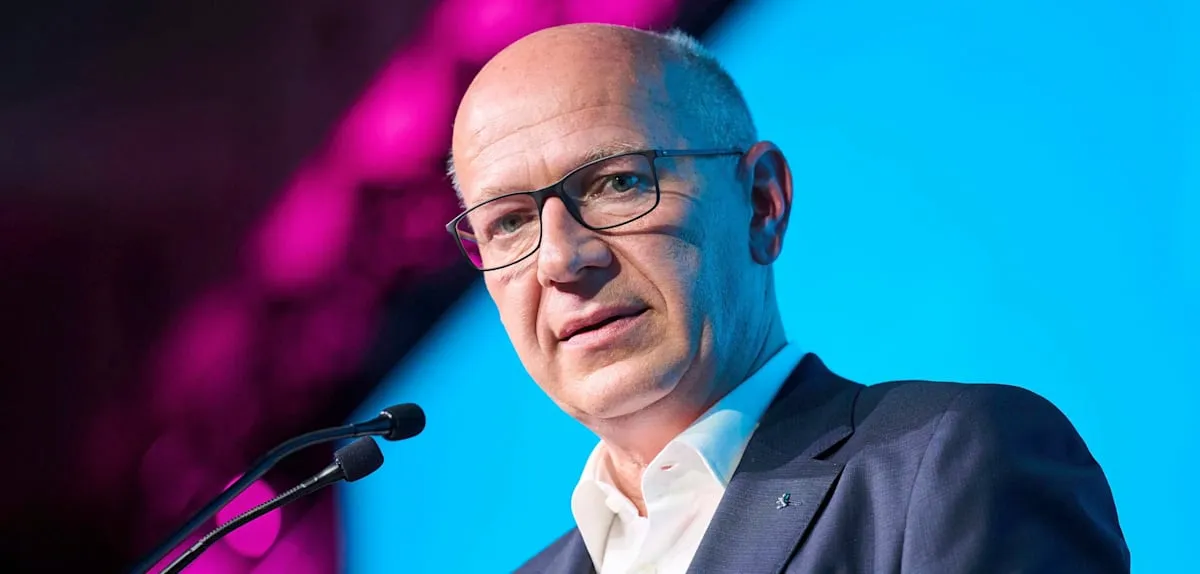
BERLIN — Governing Mayor of Berlin, Kai Wegner, has surprisingly announced his withdrawal from the top candidacy for the state parliament election scheduled for September 2026. This drastic decision comes as a direct consequence of a massive power outage incident that struck the German capital last January, an event that continues to shadow his reputation and political prospects.
The power outage, which occurred in mid-January 2026, plunged millions of Berlin residents into darkness and cold for hours. The disruption to vital infrastructure triggered a wave of sharp criticism against the city administration, particularly regarding the city government's preparedness and emergency response under Wegner's leadership. The public expressed disappointment over the crisis management, deemed slow and poorly coordinated.
As “Regierender Burgermeister,” or Governing Mayor of Berlin, Kai Wegner is a key figure in the local political landscape. This position demands high accountability, especially when facing urban infrastructure challenges. His decision to withdraw from the top candidacy, pushed by his party, the Christian Democratic Union (CDU), indicates significant internal and external pressure.
Wegner's withdrawal immediately sparked intense debate among politicians and the public in Berlin. CDU members expressed support for the decision to maintain the party's image, while simultaneously commencing the search for a replacement figure who could boost electoral appeal. Meanwhile, opposition parties, such as the Green Party and The Left Party, viewed this as proof of Wegner's leadership failure in managing the city.
The Berlin state parliament election in September 2026 is predicted to become even more competitive following Wegner's withdrawal. The CDU must now quickly appoint a new candidate capable of convincing voters that they have concrete solutions for the city's problems, including energy infrastructure. Crisis handling credibility will be a central issue in the upcoming campaign.
Prominent political analyst, Professor Doctor Lena Schmidt from Humboldt University Berlin, stated that “The January power outage incident was not just a technical problem, but a reflection of systemic failure unforgivable for a city leader. Wegner's decision shows that public and media pressure wield significant power in determining political fate.” This analysis underscores the crucial importance of public perception regarding government performance.
Despite withdrawing as the top candidate, it remains unclear whether Kai Wegner will retain his position as Governing Mayor of Berlin until the September election or if he will resign entirely. Speculation about his political future has arisen, with some predicting he might take on a role at the federal level or withdraw from active politics for a period.
Following the January incident, the Berlin city government, under Wegner's coordination, did announce a series of remedial steps to strengthen electrical infrastructure and emergency response systems. However, these efforts appear insufficient to appease public disappointment and the accompanying political fallout. Citizens demand not just promises, but tangible evidence of improvement.
Issues of infrastructure and urban governance have indeed often been under scrutiny in Berlin. Previously, the city was also embroiled in controversy surrounding new curfew rules that sparked public outrage and threats of legal action. This series of challenges adds to the complexity of political dynamics in the German capital.
Kai Wegner's decision not only marks the end of his political ambitions to continue leading Berlin but also serves as an important warning to all public officials regarding the importance of transparency, rapid response, and accountability in facing crises. The September 2026 election is now an intensely open contest for other candidates.