 Angel Doris
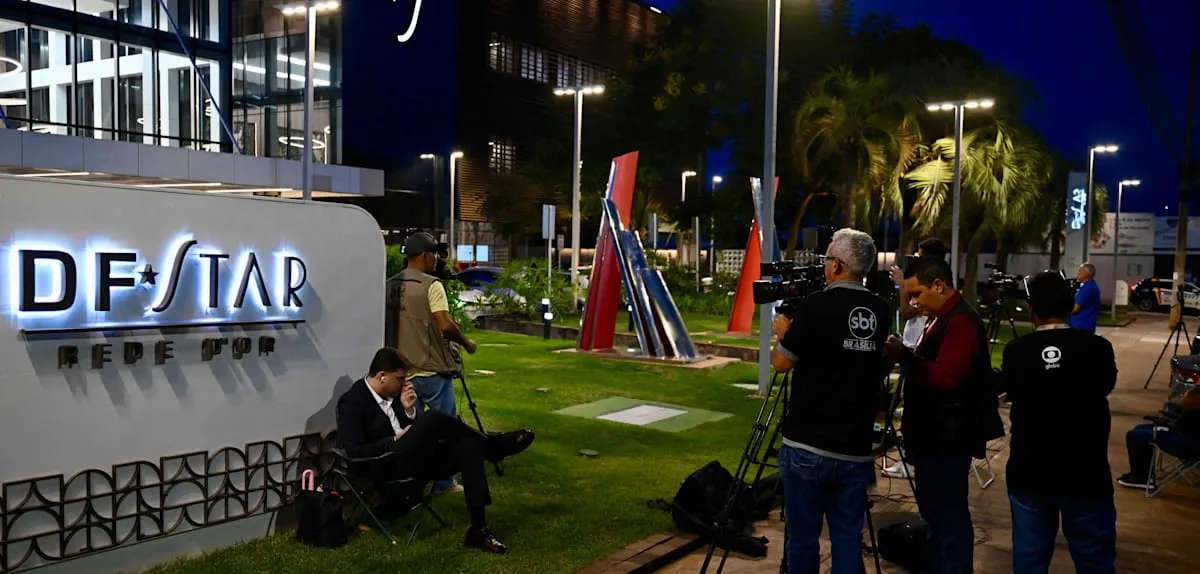
BRASILIA – Jair Bolsonaro, former President of Brazil, has once again been admitted to the hospital and is now in the intensive care unit (ICU). This condition stems from acute bowel problems, a persistent complication from the knife attack he suffered in 2018.
The hospital treating him confirmed that Bolsonaro is conscious, awake, and breathing independently, although requiring close medical monitoring.
The stabbing incident occurred during his presidential campaign in September 2018. The attack caused severe abdominal injuries, which have since led to a series of chronic health issues for Bolsonaro.
Since that traumatic event, Bolsonaro has undergone several surgeries and multiple hospitalizations due to various complaints related to his digestive system, including bowel obstruction and adhesions.
This is not the first time he has faced a serious health crisis post-stabbing. His medical history indicates a long struggle with the physical consequences of the incident.
The health condition of the former right-wing leader has consistently been a focus of public and media attention in Brazil, given his controversial political profile and the enduring popularity of his support base.
Acute bowel obstruction is a serious condition requiring immediate medical intervention, often involving surgery, to prevent further complications such as ischemia or bowel perforation.
Nevertheless, the hospital assured that Bolsonaro's current condition is stable, showing a positive response to the initial treatment provided.
News of Bolsonaro's health quickly spread, triggering a wave of support and concern from his supporters nationwide.
The health of a political figure of Bolsonaro's stature, even out of office, continues to have significant resonance within Brazil's political and social landscape.
Doctors are closely monitoring the former president's condition, anticipating potential complications that may arise from his complex medical history.
Editorial Insight:
Jair Bolsonaro's persistent health issues stemming from the 2018 incident are not merely medical news; they possess a deep political dimension. Given the strong polarization still prevalent in Brazil, every development regarding the former president's condition will continue to fuel debate and serve as a barometer of public sentiment. It also underscores the brutal and long-lasting physical impact of political violence on individuals and the nation.