 Demian Sahputra
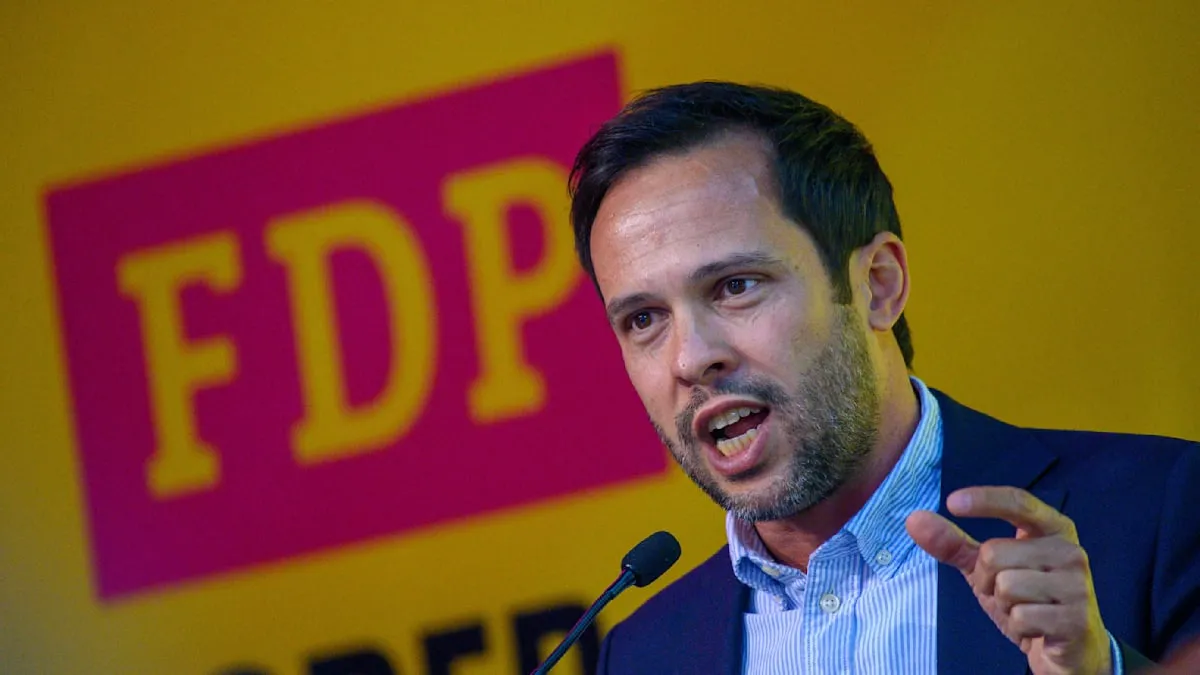
BERLIN – The German government faced sharp criticism in 2026 for continuously channeling billions of euros into development aid and gender projects abroad, ironically amidst sluggish domestic economic growth. Martin Hagen, Secretary-General of the Free Democratic Party (FDP), voiced his concern, emphasizing that these funds should be invested for the welfare of German citizens themselves.
This controversy emerges as economic data indicates a slowing growth rate in Europe's largest economy, triggering serious questions about national budget priorities. The FDP, through Hagen, explicitly stated that the government's current policy sends a 'fatal signal' to the German people, who are struggling with economic uncertainty.
That money should be invested domestically, not abroad, Hagen asserted firmly, underlining the urgency to prioritize domestic needs. This statement reflects a growing sentiment among the public longing for economic stability.
Funds allocated for development aid and gender projects encompass various initiatives, ranging from infrastructure support in developing countries to programs promoting gender equality across different parts of the world. However, criticism centers on the timing and context of these disbursements.
Global economic experts have highlighted that Germany, like many other developed nations, faces prolonged post-pandemic inflationary pressures and supply chain challenges extending into 2026. This adds burden to industrial sectors and public purchasing power.
The German government itself argues that its commitment to development aid and gender projects is part of its global responsibility, as well as a long-term investment in international stability that ultimately benefits Germany. However, this argument has not entirely quelled the wave of criticism.
Debates surrounding budget allocation are not new. Every year, the German parliament frequently discusses intensively how state resources are allocated. Nevertheless, current economic pressures have intensified these debates, demanding greater transparency and accountability.
This situation also has the potential to influence the German political landscape, particularly leading up to the next general election. This issue has previously shaken party stability, as seen in the political turmoil following the defeat in Saxony-Anhalt.
The government, under the current Chancellor, faces a dilemma: whether to maintain its international commitments or heed domestic demands to strengthen the internal economy. The decisions made will have long-term implications for the country's credibility and political stability.
Some parties propose that the government re-evaluate the effectiveness of foreign aid programs and seek ways to ensure these investments provide direct or indirect benefits to the German economy.
On the other hand, proponents of gender projects and development aid emphasize that such investments are an integral part of global diplomacy and humanitarian ethics. They argue that global prosperity is interconnected, and helping other nations also means investing in a more stable future for all.
Martin Hagen's and the FDP's criticism reflects a shift in political priorities, where the focus on national interests is increasingly strengthening. This debate adds to a long list of domestic issues requiring serious attention, including the scandal of subsidies for criminals in Cologne. This issue echoes similar debates in other European countries grappling with economic challenges.
Editorial Insight: Germany's decision to continue allocating significant funds for development aid and gender projects amid sluggish domestic economic conditions exemplifies a global dilemma faced by many developed nations. The prioritization between international responsibilities and national needs is always an area of intense debate. The FDP's statement indicates a growing demand for a focus on internal investment, a trend likely to continue dominating the political and economic discourse in Germany in the near future, pressing the government for greater transparency and efficiency in public budget management.