 Edward DP Situmorang
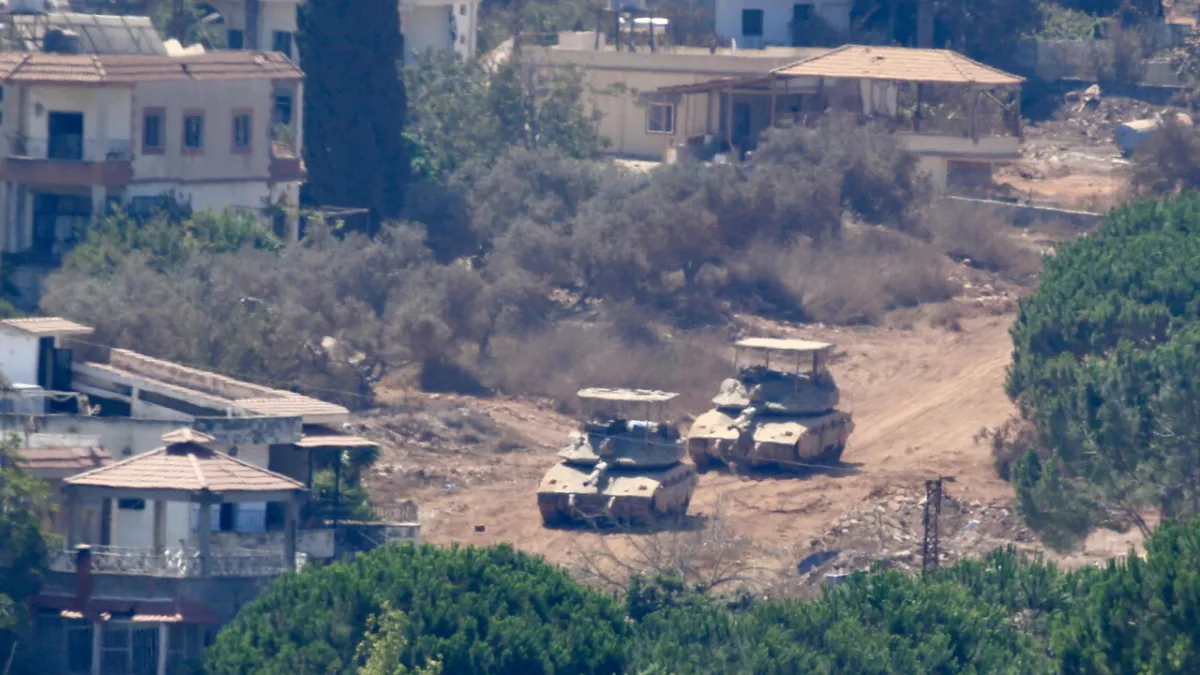
BEIRUT — Tensions on the Israel-Lebanon border have reached a new boiling point. Two Israeli soldiers were killed in fierce combat in Southern Lebanon, marking the first casualties since June 28, 2026. This tragic incident occurred following a series of intense air raids launched by Israel the previous day, signifying a significant escalation in the long-simmering conflict.
The Israeli military, through its spokesperson, confirmed the grim news. They stated that the two soldiers died during an operation in the southern Lebanese region, a known flashpoint for clashes. Full details regarding the nature of the battle have not been entirely released, but initial indications point to ground combat after Israeli air strikes targeted armed group positions in the area.
This latest escalation adds to the long list of casualties in the Israel-Lebanon conflict. Since late June, the situation along the Blue Line, the demarcation border between the two countries, has steadily worsened. Regional intelligence reports indicate increased military activity on both sides, fueling global concerns about the potential for a larger-scale conflict.
The Israeli government affirmed that their air operations were a response to provocations and security threats originating from Lebanese territory. They argued that these strikes were defensive measures to protect civilians and national sovereignty. However, Lebanon and its allies accuse Israel of violating sovereignty and international law.
The deaths of the two Israeli soldiers have the potential to trigger a harsher response from Tel Aviv. Defense analyst Dr. Amir Hussein from Cairo University, who monitors Middle East dynamics in 2026, stated, "Any military casualty, especially in cross-border operations, always triggers a tiered response. This is a crucial moment that could determine the future direction of the conflict."
A spokesperson for the Lebanese Ministry of Foreign Affairs strongly condemned the Israeli strikes and called the soldiers' deaths a direct consequence of Israeli aggression. He urged the international community to intervene immediately to prevent a deeper spiral of violence in the region.
The international community, including the United Nations, has expressed deep concern. The UN Secretary-General urged both parties to exercise restraint and return to negotiations, avoiding actions that could worsen the humanitarian and security situation in the sensitive border area.
The background of this conflict is indeed complex. Armed groups in Southern Lebanon are often targets of Israeli attacks, who claim they pose a direct threat. Conversely, these groups argue they are defending Lebanese land from Israeli aggression. This cycle of violence has persisted for decades, with periods of high tension and relative calm.
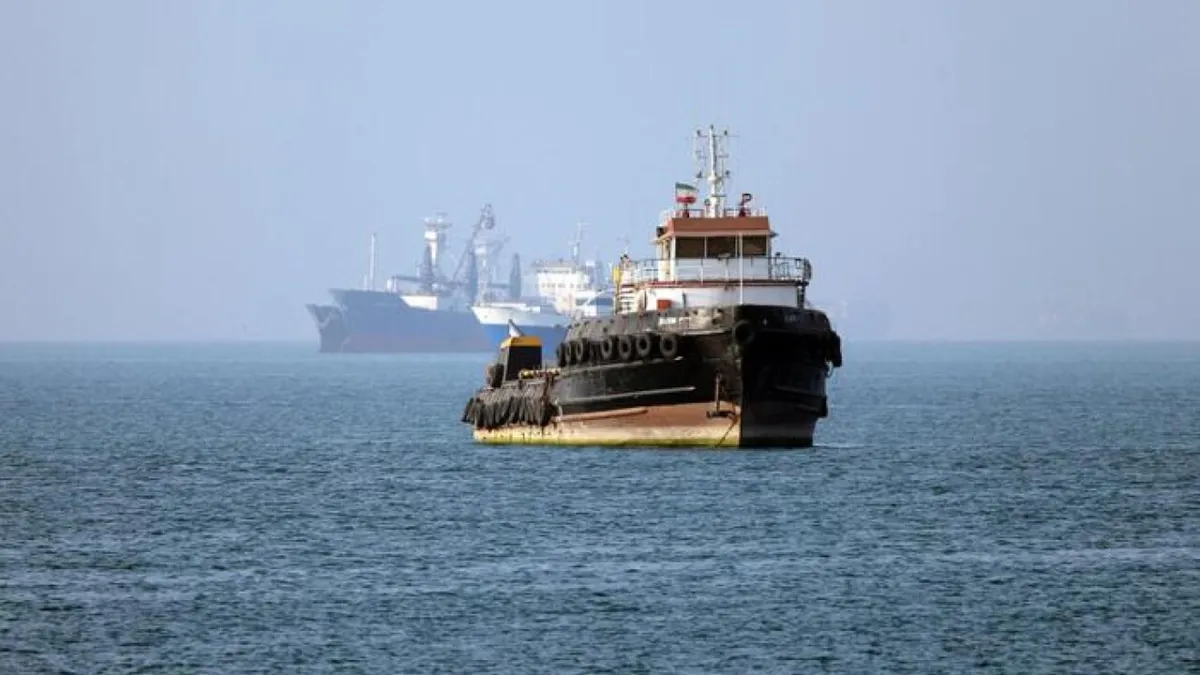
This incident could also have broader geopolitical implications for the region. Tensions between Israel and other regional powers, such as Iran, are often reflected in Lebanon. Similar situations have previously triggered turmoil in the Strait of Hormuz, demonstrating how interconnected conflicts in the Middle East are.
Global attention is now focused on Israel's subsequent response. Will this incident trigger a large-scale ground operation, or will international diplomatic pressure succeed in de-escalating the conflict? This question is crucial for regional stability.
Civilians on both sides of the border live in fear. Many families have been forced to evacuate or prepare for the possibility of further escalation. Humanitarian aid and non-governmental organizations have voiced concerns about the conflict's impact on local populations.
The headline "Border Erupts: Two Israeli Soldiers Killed in Southern Lebanon" is not just sad news for military families, but also an alarm for this fragile region. World governments must act immediately to prevent further escalation, to maintain peace and stability in one of the world's most critical conflict zones.