 Angela Stefani
LAKE SUPERIOR – The dark maritime mystery of Lake Superior begins to unravel as the Great Lakes Shipwreck Historical Society (GLSHS) successfully located two of three ships that sank due to a devastating storm over a century ago. These significant discoveries, made in 2021 and 2022, shed light on a tragic incident that claimed the vessels to the lake's bottom, adding a new chapter to the history of underwater exploration in one of the largest Great Lakes.
These findings are the result of intensive search expeditions conducted by the expert team at GLSHS. They utilized advanced sonar technology to survey the depths of the lake, known for its extreme weather and deadly depths. The two shipwrecks were found in different locations but are believed to have sunk in the same storm, an event that occurred in the early 20th century.
Bruce Lynn, Executive Director of GLSHS, expressed his enthusiasm for the discovery. 'Every shipwreck is a time capsule preserving stories of life at sea, of raging storms, and the bravery of the crews,' he stated. This discovery is not only archaeologically valuable but also offers closure for the families of sailors who may still harbor unanswered questions.
The first vessel was successfully identified in 2021, followed by the second discovery in 2022. Both wrecks are in relatively well-preserved condition thanks to the extremely cold water temperatures and low oxygen levels at Lake Superior's depths. These conditions often turn the Great Lakes into a natural underwater museum for hundreds of shipwrecks.
The identification of the ships involved thorough historical archival research, including cargo manifests, sailing records, and weather reports from the time of the incidents. GLSHS researchers collaborated with maritime historians to match the discovered debris with descriptions of the lost vessels. This process demanded exceptional meticulousness and patience.
Lake Superior, renowned as one's most treacherous bodies of water, has been the graveyard for approximately 6,000 ships and claimed over 30,000 sailor lives throughout history. Storms on this lake are infamous for appearing suddenly and often with strength comparable to ocean gales, making navigation extremely perilous, especially in the era of steam and sail ships.
This discovery also sparks hope for finding the third ship, also presumed to have sunk in the same incident. GLSHS plans to continue its search efforts, encouraged by the success of the last two findings. Each discovery not only expands our knowledge of the past but also serves as a reminder of nature's tremendous power.
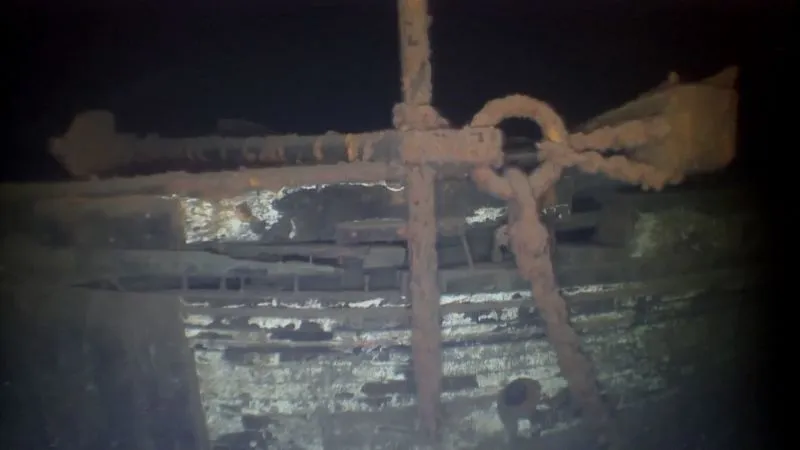
GLSHS dive teams have conducted underwater surveys using ROVs (Remotely Operated Vehicles) to document the condition of the wrecks. High-resolution video footage and photographs have been captured, providing the first clear views of the sunken vessels' structures. This documentation is crucial for conservation studies and further understanding.
The Great Lakes region boasts a rich maritime heritage, with numerous merchant ships operating to transport iron ore, grain, and timber. Ship accidents were frequent due to challenging navigation, sudden storms, or collisions. These shipwreck stories form an integral part of the regional culture and history.
Further research will focus on understanding why these ships sank, their construction details, and the lives of their crews. The information gained is expected to provide valuable lessons for future generations regarding maritime safety and the importance of preserving history.
GLSHS's success in uncovering this mystery solidifies its position as one of the leading organizations in shipwreck research and conservation in North America. Their dedication has opened a window into a forgotten past, honoring the memory of lost sailors and the rich history buried beneath the waves.
Editorial Insight:
The discovery of two shipwrecks in Lake Superior is more than just an ordinary archaeological news story; it is a powerful narrative of human perseverance in uncovering the past and valuing history. In the context of 2026, as underwater exploration technology becomes increasingly advanced, such discoveries demonstrate that many mysteries still await resolution. Beyond its historical value, this finding also deepens our understanding of the extreme environmental conditions of large lakes and the importance of conserving invaluable underwater artifacts. It also serves as a reminder of the impact of storms and extreme weather, a topic increasingly relevant amidst global climate change.