 Demian Sahputra
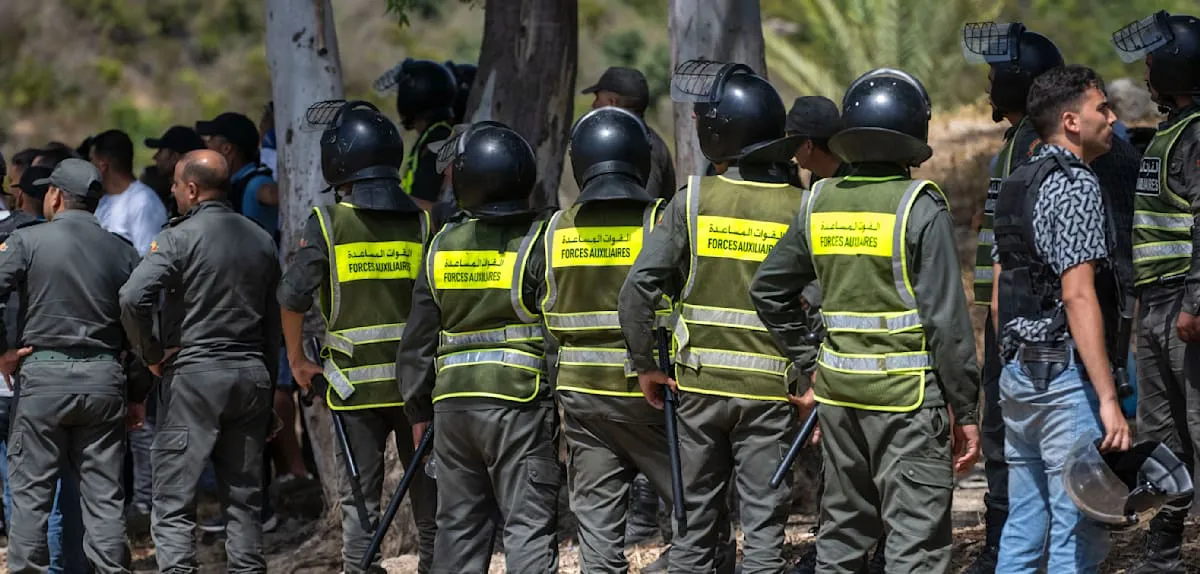
CEUTA – The border between Morocco and the Spanish exclave of Ceuta once again witnessed dramatic tensions after Moroccan security forces intercepted 294 migrants. These migrants attempted a mass assault into European territory. The recent incident occurred on a hill near the demarcation line, where the use of tear gas was unavoidable to disperse groups of asylum seekers.
Moroccan authorities acted decisively following widespread calls on social media for a large-scale assault on Ceuta, which had been scheduled for Saturday. This preventive measure aims to halt the flow of illegal migrants who continuously try to reach European soil via risky land routes.
The migrants, mostly from sub-Saharan African countries, gathered in large groups, hoping to breach the border fence and enter Spanish territory. However, the swift presence of security personnel rendered their efforts futile, even leading to clashes.
The situation on the ground was further exacerbated by the decision to expel journalists from cities near the border. This restriction on media access raises questions about the transparency and accuracy of information available to the public regarding the handling of the migrant crisis in this sensitive area.
The use of tear gas by Moroccan security forces underscores the significant challenges the country faces in controlling migrant movements. Many of those risking their lives for the dream of a better life in Europe are often trapped in desperate conditions in border areas.
Ceuta, along with Melilla, represents the European Unions only land border with Africa. This strategic position makes it a primary target for thousands of migrants from various parts of Africa who aspire to enter Europe.
Migration pressure on Ceuta is not a new phenomenon. Repeatedly, this region has become a focus of global attention due to similar mass assault attempts. Previous related articles also reported how Rabat Halted Hundreds of Migrants Towards Ceuta with a similar response.
The Moroccan government continues to face a dilemma. On one hand, they must fulfill their role as gatekeepers to Europe, preventing illegal immigration. On the other hand, they must also contend with humanitarian criticism regarding their methods of migrant handling.
For migrants, the journey to Ceuta often begins in various conflict and poverty-stricken countries, crossing deserts and other dangerous borders before arriving in Morocco. They generally face difficult living conditions while awaiting an opportunity to cross the border fence.
This incident is not merely local news; it reflects a complex global dynamic related to migration, border security, and human rights. In 2026, migration pressure is expected to remain high due to conflicts and instability in various regions.
Editorial Insight:
This event at the Ceuta border serves as a stark reminder of the ongoing migration crisis, where humanitarian aspects often clash with state sovereignty policies. Morocco's firm response, including the use of tear gas and media restrictions, highlights the complexity of the situation. Without comprehensive solutions from the international community for the root causes of migration, we will continue to witness similar dramas unfold, with detrimental consequences for all parties involved.