 Edward DP Situmorang
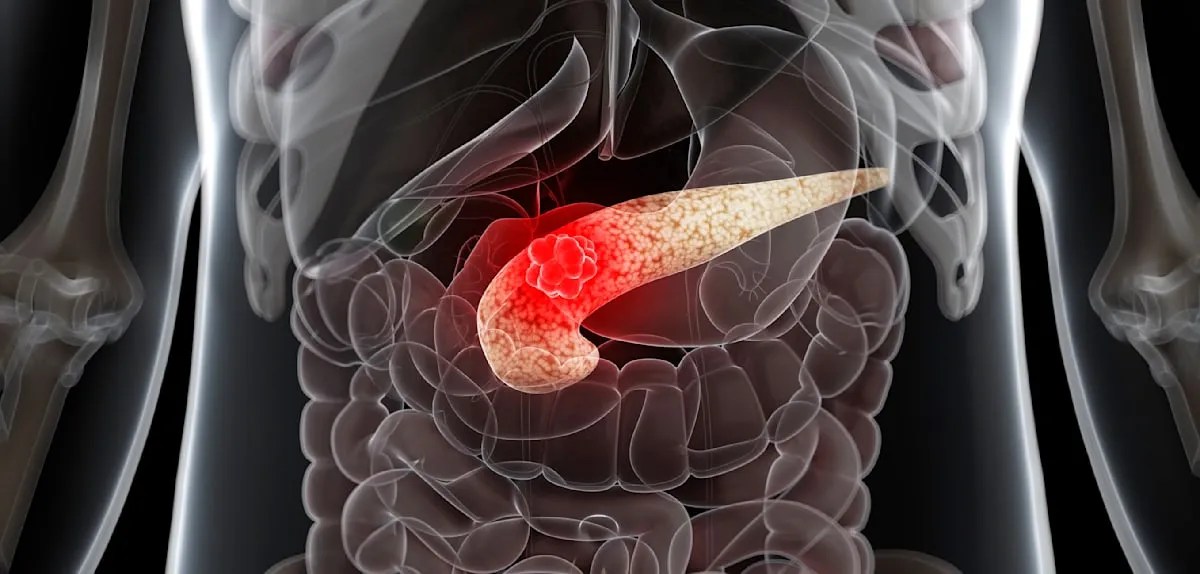
JAKARTA — Pancreatic cancer, one of the most lethal and aggressive types of tumors, has long been a terrifying specter with a frequently grim prognosis. However, amidst the malignancy of this disease, new hope is beginning to blossom in 2026. Global researchers are announcing significant advancements in the development of cutting-edge drugs and therapeutic approaches that have the potential to drastically extend the life expectancy of patients, which was previously measured in mere months.
The disease, often dubbed a “silent killer,” is notorious for its ability to metastasize, or spread to other organs, at a very early stage. This phenomenon is the root of the primary problem, making early diagnosis difficult and further treatment increasingly challenging. The majority of patients only become aware of their condition when the cancer has reached an advanced stage, limiting effective medical intervention options.
A leading oncologist from Gadjah Mada University, Professor Budi Santoso, who is actively involved in cancer research, stated, “The fundamental problem is that pancreatic cancer metastasizes so early. This leaves a very narrow window of opportunity for curative interventions.” This statement underscores the complexity of managing such a virulent tumor.
Advances in medical research, particularly in immunotherapy and targeted therapy, now offer an opening to combat the aggressiveness of pancreatic cancer. These new therapeutic concepts not only focus on directly destroying cancer cells but also on stimulating the patient’s immune system to recognize and attack these malignant cells.
One innovative approach involves combining chemotherapy drugs with biological agents designed to inhibit specific signaling pathways crucial for cancer cell growth and metastasis. Preclinical studies and early-phase clinical trials are showing promising results, opening new prospects for sufferers who previously had exhausted their options.
For thousands of patients worldwide diagnosed with pancreatic cancer each year, these innovations are not just scientific advancements but a much-anticipated ray of light. The ability to extend survival time from mere months to years represents a significant leap in managing this deadly disease.
Nevertheless, the path toward truly transformative therapies remains long. Further clinical trials are necessary to ensure the long-term safety and efficacy of these new approaches. Another challenge is ensuring the accessibility and affordability of these innovative therapies for all segments of society who need them.
Close collaboration among research institutions, universities, and pharmaceutical industries globally is key to accelerating discoveries. Cross-border exchange of clinical data and experience enables faster and more efficient validation of research results, fostering the development of better treatments.
Beyond therapeutic development, early detection efforts remain a top priority. Given the asymptomatic nature of pancreatic cancer in its early stages, research into new biomarkers for more sensitive and specific screening is essential to improve treatment success rates.
With burning scientific optimism, the medical community in 2026 looks forward to a brighter future for pancreatic cancer patients. Although the battle against this disease is far from over, the foundation for more effective treatments and longer life expectancies has successfully been laid. This marks a new era in the fight against one of health's most formidable adversaries.