 Gabriella
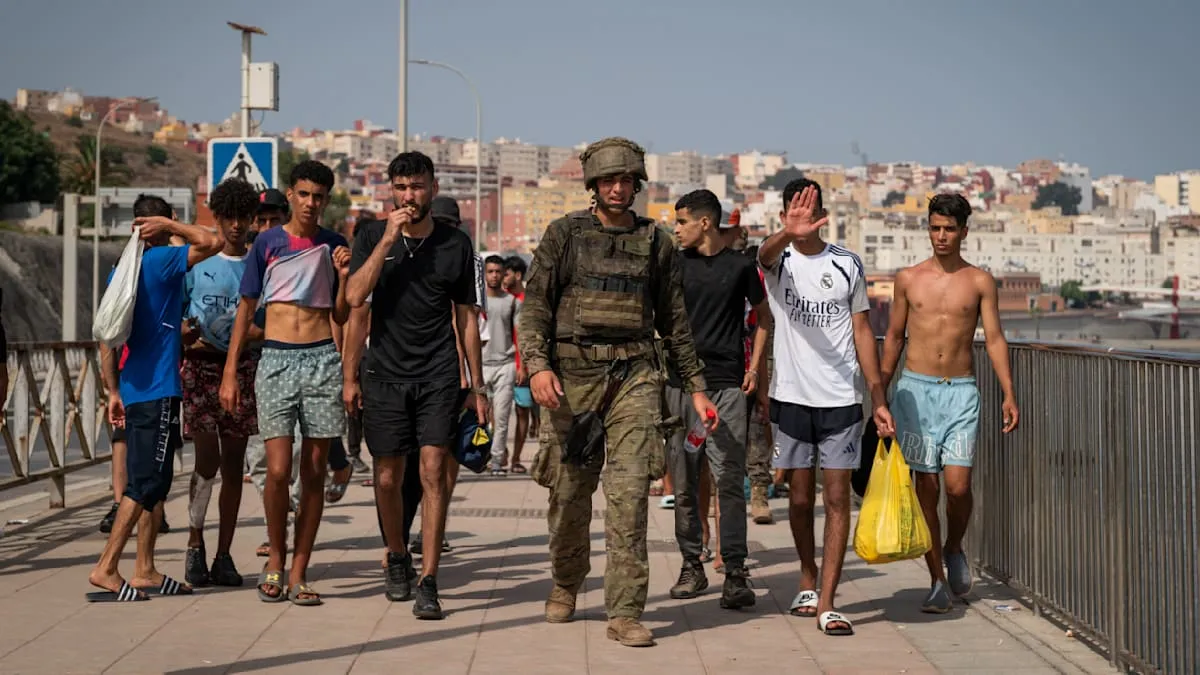
Ceuta — Thousands of unaccompanied migrant children are reportedly still stranded in the Spanish enclave of Ceuta in 2026, creating a complex and urgent humanitarian crisis. Local authorities face a significant legal dilemma because international laws prohibit the deportation of minors without legal guardians. This intricate situation follows a previous massive wave of migration, although conditions are now described as having slightly “eased”.
Spain correspondent Miguel Gutiérrez Posada reported that despite a decrease in the intensity of mass crossings, thousands of migrants, including many children, remain in the Spanish pocket on the North African coast. Their presence adds substantial pressure on Ceuta’s already limited infrastructure and social services.
According to data compiled by local authorities, the majority of these children come from Morocco and other sub-Saharan African countries, hoping to reach mainland Europe. They often undertake extremely dangerous journeys, fleeing poverty, conflict, or seeking a better future.
The core issue lies in the legal status of unaccompanied children. The United Nations Convention on the Rights of the Child asserts that the best interests of the child must be the primary consideration. Therefore, Spain is bound not to deport them to their countries of origin without ensuring adequate protection and care.
This dilemma poses a major challenge for the local government of Ceuta, which must provide accommodation, food, education, and healthcare for these young migrants. Existing child reception facilities often exceed their capacity, forcing many to seek less-than-ideal temporary solutions.
On-the-ground conditions depict a vulnerable situation. Many children live in temporary camps or even on the streets, increasing the risk of exploitation and human trafficking. Humanitarian organizations are urging increased aid from the Spanish central government and the European Union to address these issues.
This crisis is not a new phenomenon for Ceuta. The region has historically been one of the main entry points for migrants attempting to reach Europe. However, the proportion of unaccompanied children in the current migration wave is a particular concern and demands a more coordinated response.
Several previous reports have also highlighted how the Moroccan military is often perceived as “allowing” migrants to pass without hindrance. This indicates complex border dynamics, often linked to diplomatic relations between Madrid and Rabat. Further information can be found in the article “Migran Ceuta Bersaksi: Militer Maroko Biarkan Kami Lolos Tanpa Hadangan!”.
The situation in Ceuta has also sparked fierce debate among European Union member states. Some leaders are calling for greater solidarity with Spain, while others are pushing for the strengthening of Europe’s external borders. “Krisis Ceuta Memanas, Eropa Mendesak Penguatan Benteng Perbatasan Terluar” delves deeper into these dynamics.
The Spanish government, under the leadership of Prime Minister Pedro Sánchez in 2026, is under pressure to find long-term solutions. Sánchez has urged the European Union to share the burden of responsibility more fairly, given that Ceuta is an external border of the EU.
However, diplomatic efforts face challenges. Some time ago, controversy even arose when Sánchez released a “summer soundtrack” amidst the escalating migrant crisis, drawing public criticism. Details can be read in “Skandal Etika: Sánchez Rilis Soundtrack Musim Panas di Tengah Krisis Ceuta”.
International legal experts and human rights activists continue to emphasize the need for a child-rights-centered approach. They propose solutions such as family reunification, placement within child protection systems, or comprehensive integration programs, rather than merely temporary shelters.
The European Union, through the European Commission, has pledged financial and technical support to Spain to manage migrant flows, including special attention to children. However, the implementation of this aid is often hampered by bureaucracy and differing views among member states.
The future of these thousands of unaccompanied children remains uncertain. Without a clear and coordinated strategy, Ceuta will continue to be a symbol of the humanitarian challenges Europe faces at its borders, demanding political courage and empathy.