 Debby Wijaya
Strait of Hormuz — Tensions in the Middle East have reached a critical juncture after two oil tankers reportedly caught fire following a series of explosions in the strategic waters of the Strait of Hormuz in 2026. This incident unfolds amidst reports of United States military strikes against Iran, aimed at weakening Tehran's defense capabilities, coupled with retaliatory attacks by Iran against Bahrain. The international community now holds its breath, fearing the potential for a wider escalation of the conflict.
The dramatic events began when two tankers traversing the vital shipping lane in the Strait of Hormuz, one of the world's most critical maritime choke points, suddenly reported serious explosions in their hulls. Initial sources indicated that the blasts occurred as the vessels navigated an area suspected of being mined, a claim that significantly heightens concerns about asymmetric warfare tactics.
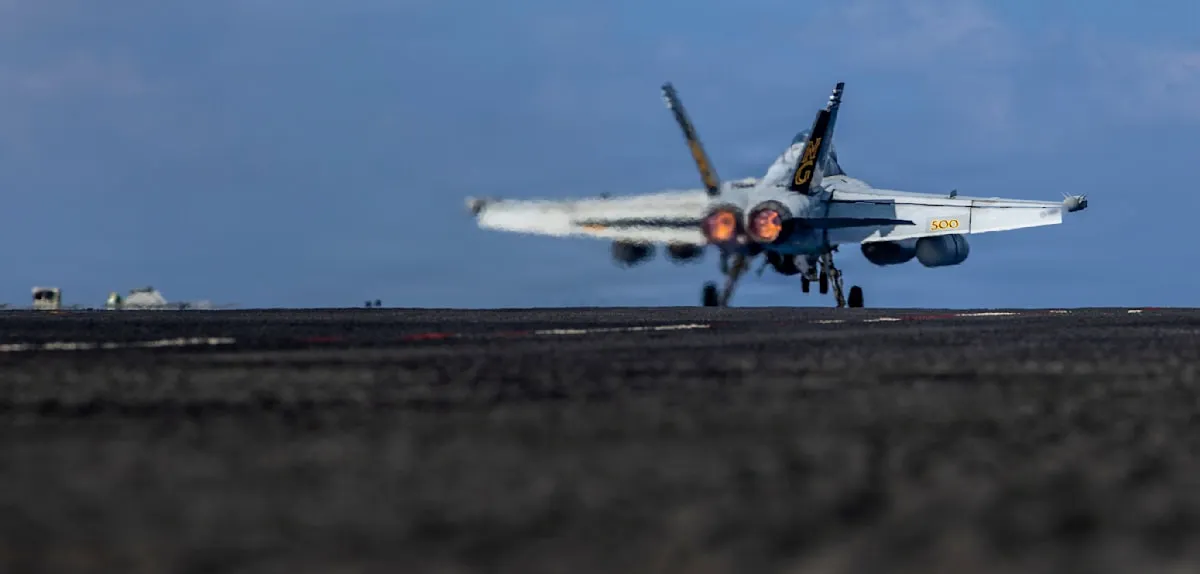
The United States military confirmed its ongoing military operations targeting Iran. An official statement from the Pentagon stated that these actions are part of a continuous effort to "weaken Iran's capabilities and prevent further destabilization in the region." However, specific details regarding the targets of the attacks and the methods used have not yet been fully released to the public.
Tehran's response was equally swift. Hours after the Hormuz incident and reports of US attacks, Iran's Foreign Ministry issued a strong condemnation, labeling US actions as "blatant aggression." In parallel, Bahraini authorities reported that their territory had also been targeted, though details regarding the perpetrators and the extent of the damage are still under investigation.
Preliminary analysis from international geopolitical experts suggests that the tanker incidents are likely a response to or an escalation of existing tensions. "We are observing a worrying pattern where every action triggers a chain reaction," stated Dr. Aisha Rahman, a maritime security analyst from the London School of Economics, in an interview.
This incident is not the first time the Strait of Hormuz has drawn global attention due to security concerns. Several years prior, similar tensions occurred, involving tankers and accusations of sabotage. Our related article titled "Hormuz Memanas: Dua Kapal Tanker Terbakar di Zona Ranjau, Iran Klaim Penutupan" explored those dynamics. The current situation appears to repeat, and even worsen, that precedent.
Based on eyewitness accounts and circulating visual footage, intense fires engulfed both tankers, sending thick plumes of smoke billowing high into the sky. Rescue and firefighting teams from neighboring countries were immediately deployed to assist in evacuating crews and extinguishing the blaze, despite extremely perilous conditions on the ground.
The economic impact of these incidents is projected to be significant. The Strait of Hormuz is the passage for approximately one-third of the world's crude oil and liquefied natural gas. Any disruption in this route could trigger a surge in global oil prices and disrupt energy supplies, which in turn could lead to economic instability across various parts of the world.
The United Nations Security Council (UNSC) is scheduled to hold an emergency meeting to discuss this crisis. The UN Secretary-General has urged all parties to exercise restraint and seek diplomatic solutions to prevent a larger armed conflict. "Escalation in this region will have catastrophic consequences for the entire world," he emphasized in a press statement.
The international community is calling for a thorough and independent investigation into the tanker explosions. It is crucial to transparently uncover who is responsible for these attacks and why such a vital maritime area is now allegedly mined.
The United States administration and Iranian authorities present conflicting narratives regarding the root causes of this crisis. Washington accuses Tehran of consistently threatening international navigation and possessing a worrying nuclear weapons program. Conversely, Iran blames the US as a hegemonic power attempting to intervene in the internal affairs of sovereign nations.
The situation in Bahrain further complicates matters. The attack on Bahrain, a close ally of the US, by Tehran indicates that this conflict is not merely confined to Iran and the United States, but has the potential to draw more regional actors into the spiral of violence.
This crisis highlights the fragility of peace in the Middle East, a region long plagued by conflict and instability. With oil prices potentially soaring and vital shipping lanes under threat, the repercussions will be felt far beyond the geographical boundaries of the region.
Diplomats are now racing against time. Mediation efforts by neutral countries and international organizations will be key to de-escalating the situation and preventing the outbreak of a full-scale armed conflict. The fate of the global economy and regional stability depends on rapid and effective de-escalation measures.