 Angela Stefani

NEW YORK — The world is now facing a 'second season' of the climate crisis, a critical phase demanding coordinated and immediate global action. The United Nations (UN), through the latest report from the Intergovernmental Panel on Climate Change (IPCC), warns that 2026 is a crucial turning point to prevent irreversible environmental and social consequences. The report, released earlier this year, highlights past collective failures and the urgent need for concrete action now.
This critical phase is marked by an accelerating pace of global warming, increasingly alarming sea-level rise, and a frequency of extreme weather phenomena exceeding previous predictions. Climate scientists affirm that the window of opportunity to limit global temperature rise to 1.5 degrees Celsius is rapidly narrowing, urging all nations to accelerate decarbonization and adaptation.
The 2026 IPCC analysis indicates that greenhouse gas emissions are still far from the targets agreed upon in the Paris Agreement. While there has been some progress in the renewable energy sector, this transition has not been fast enough to offset the rate of environmental degradation occurring across the planet.
The impacts of climate change are becoming more evident worldwide. Deadly heatwaves have swept across Europe and Asia, while extreme droughts trigger food crises in Africa. Conversely, flash floods and tropical cyclones devastate infrastructure and threaten millions of lives in North America and Southeast Asia.
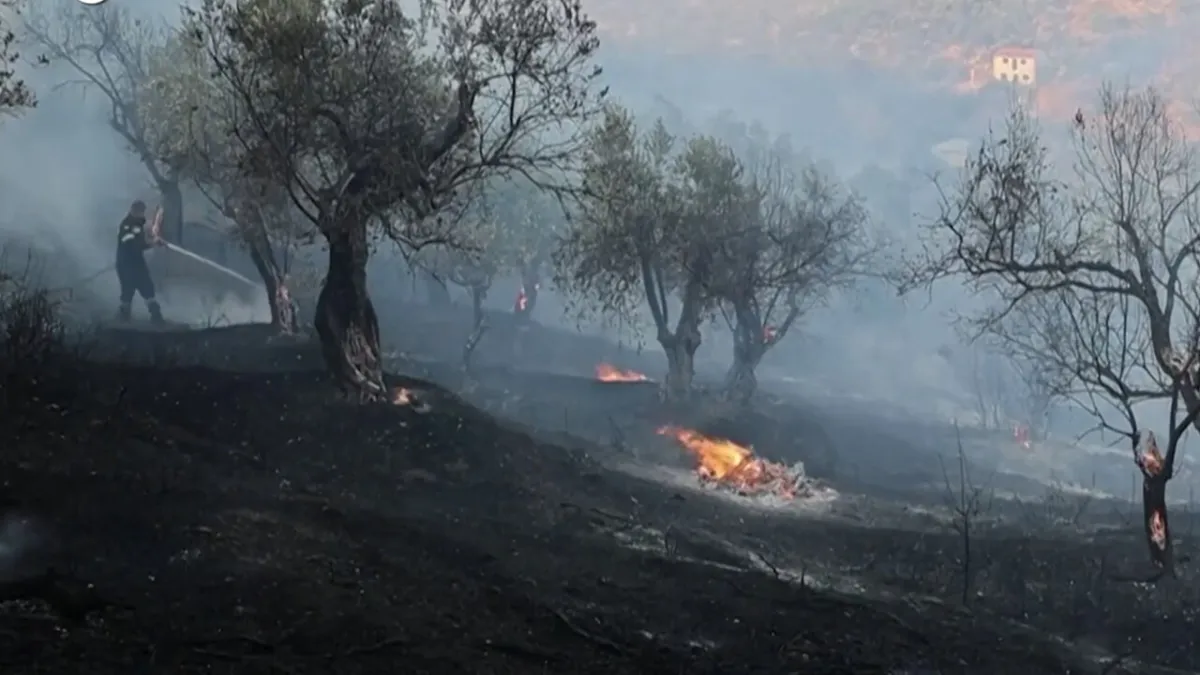
Wildfires are a chronic problem exacerbated by dry climate conditions and high temperatures. North America, for instance, faces an intense fire season, with Trump urging Canada to take responsibility for wildfire smoke, threatening new tariffs in response to cross-border impacts.
The economic consequences of this climate crisis are beginning to be felt. Losses from natural disasters amount to trillions of dollars annually, burdening national budgets and hindering economic growth. The agricultural, fishing, and tourism sectors are the most vulnerable, threatening the livelihoods of millions.
Socially, climate change is triggering massive waves of migration, particularly from uninhabitable regions. Conflicts over water and land resources are also escalating, posing new challenges to global political stability and security.
To address this situation, UN Secretary-General Antonio Guterres called for a global mobilization akin to the response to a major pandemic. He emphasized the need for massive investments in renewable energy, an end to fossil fuel subsidies, and financial support for developing countries' green transitions.
The Paris Agreement, while a landmark, requires more aggressive implementation. UN member states are expected to revise their Nationally Determined Contributions (NDCs) with more ambitious targets at the upcoming COP31 climate conference.
Innovative technologies play a key role. The development of carbon capture systems, advanced energy storage technologies, and sustainable agricultural practices are priority areas for global research and investment. However, the adoption of these technologies needs to be significantly accelerated.
Dr. Anya Sharma, the UN's Chief Climate Scientist, stated in early October, “We can no longer delay. Every day that passes without concrete action pushes us closer to the point of no return. We must act together, now, with courage and vision.” This statement underscores the extraordinary urgency of the global situation.
Governments of developed nations, as the largest historical emitters, have a moral and ethical responsibility to lead decarbonization efforts. They must also fulfill their pledge of 100 billion USD per year in climate finance to developing countries, which has not yet been fully met.
Developing nations, on the other hand, require access to green technologies and the capacity to build climate-resilient infrastructure. This is not just about mitigation but also adaptation to changes that are already occurring and will continue.
The climate crisis also threatens biodiversity massively. Marine and terrestrial ecosystems face immense pressure, with species going extinct at unprecedented rates. For example, the incident of a sick humpback whale alarming the German Baltic Sea in 2026 serves as an alarm bell about the deteriorating health of marine ecosystems.
Global youth movements and environmental activists continue to press for stronger action. They demand world leaders move beyond rhetoric to concrete policies that prioritize the planet's sustainable future.
While the challenges are immense, there is a glimmer of hope. Increased public awareness, continuously evolving technological innovations, and civil society pressure provide positive momentum. However, this momentum must translate into transformative policies and rapid implementation.
This critical phase is a test for humanity. Our collective ability to address the climate crisis will determine the quality of life for future generations. The UN emphasizes that no country is safe from its impacts, and no solution is partial. Only through global collaboration, climate justice, and strong political commitment can the world navigate this challenging 'second season' and secure a habitable future.