 Stefani Rindus
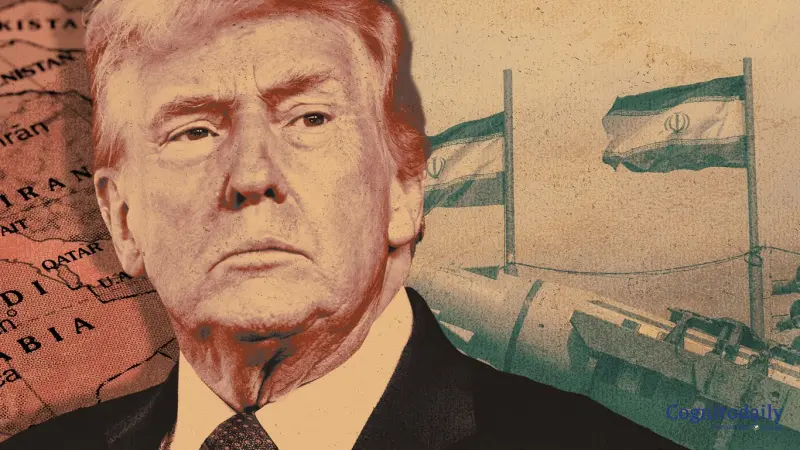
WASHINGTON — A shocking report from Axios suggests the potential outbreak of a large-scale war between the United States and Iran in the near future, which could last for weeks, sparking global concerns about stability in the Middle East. This prediction comes amid escalating diplomatic and military tensions in the strategic region.
The report released by Axios cites unnamed senior U.S. officials, describing preparations Washington is making for a possible conflict. The information underscores the assessment that the war, if it occurs, would not be a brief clash, but rather a confrontation that takes significant time and resources.
Tensions between the two countries have been deeply rooted for several decades, reaching a boiling point after Washington withdrew from the Iran Nuclear Deal (JCPOA) in 2018. Since then, a series of economic sanctions and military provocations, including attacks on oil facilities and ships in the Gulf, have further worsened relations.
Iran, through its network of proxies and militias supported in Iraq, Syria, Yemen, and Lebanon, often challenges the hegemony of the United States and its allies in the region. Attacks on U.S. bases as well as disruptions to international shipping in the Red Sea are clear indicators of this dangerous dynamic.
Geopolitical analysts believe that the tough rhetoric from Tehran and the firm response from Washington create a hard-to-break cycle of escalation. Even the smallest incident has the potential to trigger an uncontrollable chain reaction, dragging both sides into direct military confrontation.
The main concern is that a miscalculation or unexpected incident could spark a war. For example, a missile or drone attack targeting vital assets or military personnel of either side could provoke a disproportionate response, opening a new chapter in an already tense conflict.
The economic implications of a war like that would be huge. Global oil prices would definitely skyrocket, disrupting supply chains around the world and sparking inflation in several countries. Strategic shipping routes in the Strait of Hormuz, which are crucial for global energy supply, could be disrupted or even completely blocked.
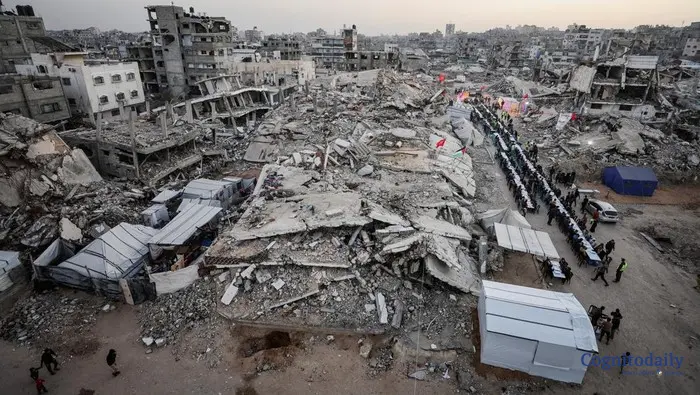
Besides the economic impact, the potential humanitarian crisis is also a big concern. A prolonged conflict would cause massive waves of refugees, damage to infrastructure, and immense suffering for civilians in Iran and neighboring countries involved.
The international community, including the United Nations and the European Union, continues to urge both sides to exercise restraint and prioritize diplomatic channels. Calls for de-escalation are very important to prevent larger regional and global disasters.
International relations expert Dr. Ahmad Mustofa from the Middle East University stated, 'Although the Axios report sounds worrying, it's important to remember that there is always room for diplomacy. However, that room quickly narrows if there is no serious effort from both sides to reduce tensions.'
The United States government consistently emphasizes its commitment to protecting national interests and its allies in the Middle East, while stating its readiness to respond to any aggression. Meanwhile, Iran routinely declares its readiness to defend its sovereignty and reject foreign interference.
The prospect of this war highlights the urgency of a comprehensive strategy by global powers to encourage constructive dialogue. Preventing a direct conflict between the United States and Iran is a top priority to maintain regional stability and minimize the potential humanitarian and economic fallout.
This situation calls for careful observation from the whole world, considering that every move taken by Washington and Tehran will resonate far beyond their regional boundaries. The hanging uncertainty marks a very crucial period for international security.
Every country now faces the urgent task of weighing potential risks and doing their best to mitigate the impact if the worst-case scenario actually happens. The world hopes that these tensions can be resolved through peaceful means, not military confrontation.