 Dodi Irawan
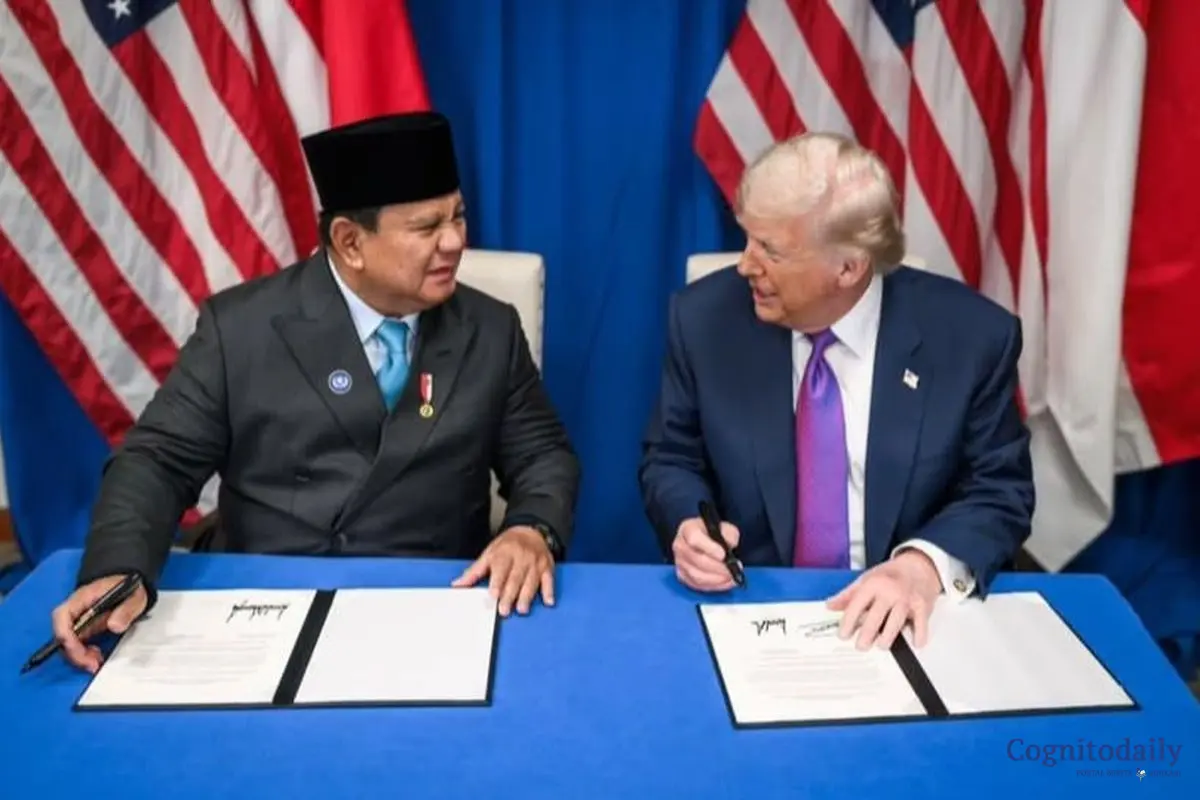
JAKARTA — President Prabowo Subianto, who is the president-elect, recently expressed his support for the 20-point Gaza peace plan initiated by U.S. President Donald Trump. This stance marks a potential major shift in Indonesia's diplomacy regarding the Palestinian issue, which has traditionally been very pro-Palestine.
Prabowo's decision, revealed in a closed forum but later leaked to the public, has sparked various speculations about the specific contents of the points and their implications for peace efforts in the Middle East. Support for a proposal coming from the Trump administration, often seen as controversial in handling the Palestinian issue, is drawing global attention.
This statement comes amid a worsening humanitarian crisis in the Gaza Strip, following a prolonged conflict that has killed thousands of civilians and destroyed infrastructure. International calls for a permanent ceasefire and long-term solutions are growing stronger.
Although the full details of the 20 points haven’t been officially published yet, sources close to the negotiations indicate that the plan covers several crucial aspects. The main points include an immediate ceasefire, the release of hostages, and increased unhindered access to humanitarian aid.
Next, the proposal is believed to discuss the restructuring of the government in Gaza after the conflict, focusing on the creation of a non-Hamas entity that would be acceptable to the international community. Security aspects are also a priority, including demilitarizing certain areas and providing security guarantees for Israel.
The issue of Gaza's post-conflict reconstruction is also an integral part of Trump's plan. Significant funding commitments from the international community, as well as strict supervision schemes, are proposed to ensure that the rebuilding process runs effectively and transparently.
Equally important is the discussion about the status of Jerusalem and the issue of Palestinian refugees, the two most sensitive points in the Israel-Palestine conflict. This proposal is believed to offer a new framework that might differ from previous UN resolutions, sparking intense debate.
Prabowo Subianto himself is known to have good relations with the United States, and his agreement with this plan might reflect an effort to position Indonesia as a more pragmatic and constructive mediator in resolving global conflicts.
This move can be seen as Indonesia's strategic effort to play a bigger role in international diplomacy, not just as a voice of moral support, but also as an actor contributing to concrete solutions, even though it risks drawing criticism from hardline pro-Palestinian groups at home.
Reactions from various international parties are also mixed. Some Western countries might welcome this support as a step forward, while Arab countries and Islamic organizations will likely scrutinize the proposal carefully, especially considering its origins.
Political and international relations analysts see Prabowo's decision as a potential early test of his diplomatic leadership. The ability to balance national interests with global solidarity will be key in navigating the complexities of this issue.
Looking at history, Indonesia has always been a strong supporter of Palestine's independence. Therefore, supporting the plan designed by Trump would require a comprehensive explanation to the public and the international community about how the proposal aligns with principles of justice and human rights.
The upcoming government under Prabowo Subianto is expected to be able to clearly articulate why these 20 points are seen as the best path to peace. Transparency about the plan's content and its potential benefits for the Palestinian people will be very essential.
Debates about a “permanent solution” to the Palestinian conflict have been going on for decades. Indonesia’s active involvement in supporting specific proposals, especially those initiated by major powers like the United States, could bring a new dynamic to finding a way forward.
Will Trump's 20-point Gaza peace plan really be the key to ending the long-standing conflict? This question will keep hanging, waiting for implementation and acceptance from all parties involved, as well as consistent support from the global community.